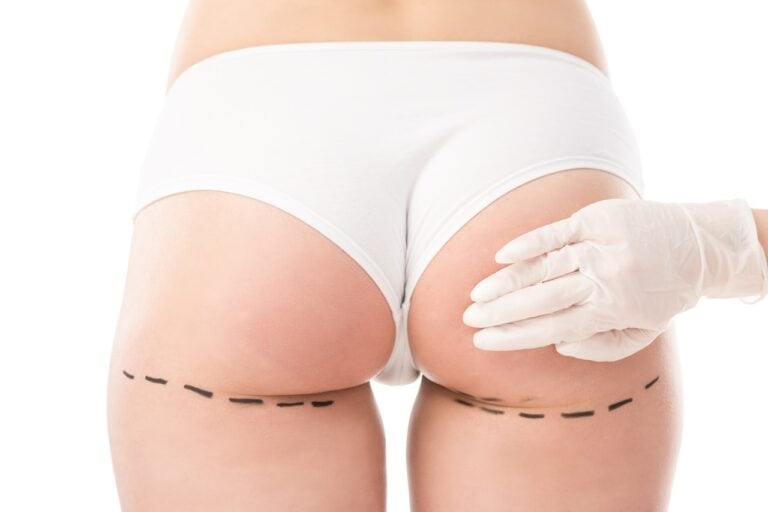
Buttock fat transfer, often called Brazilian Butt Lift, has quickly become one of the most requested body contouring procedures at the New York Liposuction Center. Patients often look forward to the newly enhanced curves and increased confidence that buttock fat transfer surgery can provide, but knowing what to expect during recovery is just as important as selecting the right surgeon.
A smooth recovery is essential for achieving beautiful, lasting results and avoiding complications. If you are considering a buttock fat transfer or have surgery already scheduled, understanding what happens after the procedure will help you feel prepared and in control at every stage.
Key Takeaways
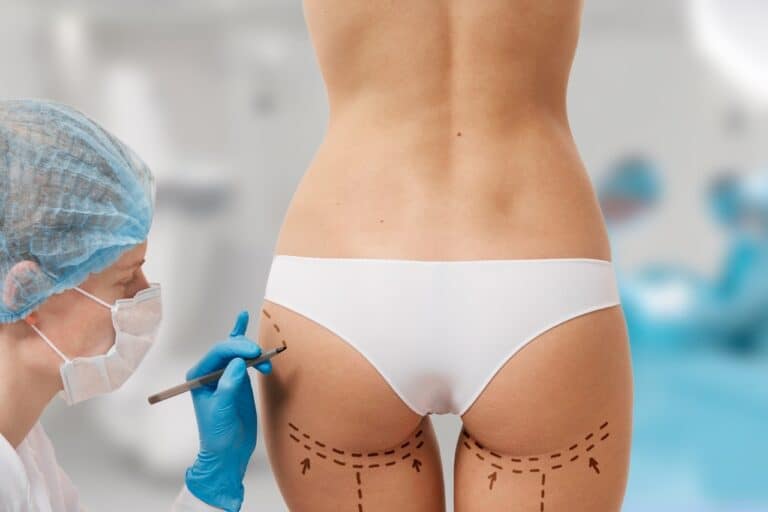
What Happens After a Buttock Fat Transfer?
Understanding the typical recovery journey helps you know what to expect at each step of the way. Most patients spend several weeks healing and must follow clear instructions to protect their results and reduce the need for revisions that can add extra cost.
Surgeons at our New York office begin by giving detailed directions right after the operation. You will leave the clinic wearing compression garments and with written reminders about sitting, resting, and movement restrictions. While initial discomfort is normal, pain usually improves within several days.
The Immediate Post-Op Experience
The first week proves most challenging for many patients. Swelling peaks during days two to four and gradually subsides, while bruising may develop around both buttocks and areas where fat was harvested.
Postoperative drains, if used, come out within a few days. Most people feel tired as their bodies adjust, so plan time for rest. At the New York Liposuction Center, we prescribe pain medication and instructions on minimizing discomfort and moving safely around your home.
Safety and Monitoring
During your initial recovery, staff will teach you signs to watch for, including excessive swelling, redness, fever, or severe pain. Reporting concerns early allows your care team to take prompt action if issues arise.
Tips for Protecting Your Fat Graft
Protecting transferred fat is the single most important factor in a lasting, natural-looking outcome. Here, we describe the essentials every patient should know.
Why Graft Survival Matters
Fat cells remain fragile for several weeks after transfer. Any pressure, trauma, or inadequate blood supply can cause them to die. When this happens, results may diminish and unevenness or lumps may occur. Following your surgeon’s guidelines preserves as much fat as possible.
Positioning and Sitting
Strictly avoid sitting directly on your buttocks for at least two weeks. If your work or lifestyle requires sitting, use a donut-shaped cushion or place the cushion under your thighs so your buttocks remain suspended in the air.
Sleeping on your stomach or sides can further protect the fat during early weeks. We recommend setting up your space at home before surgery so pillows and supports are ready when you return.
How to Manage Discomfort, Swelling, and Bruising
Most symptoms after buttock fat transfer resolve with time and proper care. Managing these symptoms can speed healing and improve your comfort each day.
Pain Management
Our surgeons typically prescribe oral pain medication for the first few days. Over-the-counter pain relievers, such as acetaminophen, can control mild discomfort as your recovery progresses. Avoid medications that thin your blood unless we instruct otherwise.
Swelling and Bruising
Swelling and bruising represent the body’s normal inflammatory response after surgery. Compression garments, gentle walking, and keeping your surgical area elevated can minimize these effects. Some patients use cool packs, but you must place a cloth barrier between your skin and any cold source to prevent frostbite.
Swelling peaks within the first week and resolves gradually over several weeks. Bruising fades as your tissues repair themselves, but may last up to three weeks in some cases.
Compression Garments: Purpose, Use, and Troubleshooting
You need to account for recovery expenses like compression garments. Wearing a compression garment after your fat transfer is one of the best ways to support both your comfort and your long-term appearance. These garments also help prevent fluid collection and contour irregularities.
Benefits of Compression
Compression garments add gentle, even pressure across both harvested and transferred fat areas. This helps distribute swelling evenly and supports newly grafted fat cells as blood supply reestablishes.
Proper Wear and Fit
Our surgeons will select an appropriate compression garment and show you how to put it on before you leave the clinic. Follow our instructions about how many hours per day to wear it—usually almost all the time for two weeks, then during waking hours only for another several weeks.
Good fit is essential. Garments must feel snug but not cause pain, numbness, or pinching. Tell your care team about any problems, since ill-fitting garments can actually hurt your results.
Caring for Your Garment
Wash compression garments daily with mild detergent. Dry thoroughly before wearing again. Rotate between two garments if possible to maintain hygiene.

Activity and Movement: What to Do and What to Avoid
Strategic movement helps your recovery go smoothly, reduces complications, and jump-starts your return to work and daily life. However, activity must progress in safe stages during buttock fat transfer recovery.
Early Activity
Plan to rest at home during the first few days. Use this time to sleep, hydrate, and keep your feet and buttocks elevated as instructed. Getting up for short walks, such as to the bathroom or kitchen, lowers your risk of dangerous blood clots.
Restrictions For The First Weeks
Avoid:
- Exercising or lifting heavy objects,
- Stretching or bending at the waist,
- Doing squats, lunges, or other buttock-intensive workouts.
Pushing too hard too soon can damage newly transferred fat and slow overall healing. Light walking will not interfere with your fat graft, but strenuous activity must wait until your surgeon approves.
Gradual Return to Daily Life
Most patients can return to light daily routines after two weeks, but must keep avoiding buttock pressure and intense activity. You may return to work if your job allows standing or if you can avoid prolonged sitting. We routinely clear patients for full exercise and normal sitting after six to eight weeks if the healing process is on track.
Nutrition to Support Healing and Graft Survival
You can strongly influence the quality of your outcome by eating well and choosing the right foods during your recovery. The cells that make up your newly transferred fat need proper nutrition to thrive and integrate in their new location.
Key Dietary Tips
Aim for a healthy, balanced diet with an emphasis on lean proteins, complex carbohydrates, fresh fruits, and vegetables. Protein supports wound healing and tissue regrowth, while complex carbohydrates provide the energy your body needs.
Hydration is essential. Drink water throughout the day, and avoid excessive caffeine, alcohol, or sugar-laden drinks. These can slow healing and increase swelling. Our team recommends a daily multivitamin during your recovery unless you have specific health concerns.
Maintaining Healthy Habits
Avoid crash dieting or rapid weight loss, and smoking which can jeopardize your results. Sudden weight changes may cause the transferred fat to shrink or die. Consistency is key, as weight fluctuations later on may also change your buttock contour.
If you have trouble eating or develop digestive symptoms, let our office know. We can recommend strategies or refer you to a specialist if needed.
Step-by-Step Post-Op Care: A Daily Routine
A clear daily routine helps take the guesswork out of recovery. Here is a detailed step-by-step guide for caring for your body after surgery:
- Morning Hygiene: Gently cleanse your face and body as directed, but avoid soaking incision areas. Use a fresh towel and only pat dry.
- Wound and Incision Care: Clean incisions with provided solutions or mild soap and water. Apply ointments and fresh dressings as directed by our team.
- Compression Garment: Put on your cleaned, dry garment as soon as your incisions are dry. Check for proper fit, ensuring there is no bunching or discomfort.
- Nutrition and Hydration: Eat a balanced breakfast with protein and hydrate soon after waking. Continue drinking water throughout the day.
- Gentle Movement: Walk around your home every few hours, even if only for short trips. Avoid overexerting yourself during these short walks.
- Pain Management: Take prescribed pain medication early in the day, and only take further doses if symptoms warrant it. Check with our team before using over-the-counter painkillers not previously discussed.
- Midday Check: Assess swelling, bruising, and how your garment feels. Make a note in a log or journal, which will help you track your progress and report issues.
- Evening Routine: Freshen up incisions, replenish your garment, and rest with your buttocks elevated. Plan to sleep face down or on your sides with supportive pillows.
This cycle repeats, with minor changes as you progress. Patients who maintain a steady routine generally experience fewer setbacks and a smoother recovery.
Recognizing and Managing Common Concerns After Surgery
Some concerns frequently arise after buttock fat transfer. Knowing what is normal and when to seek help provides peace of mind and promotes safe, steady healing.
Common Symptoms and What They Mean
Mild swelling and bruising at the operative sites are expected, as is some numbness or tingling around your buttocks and fat harvest areas. While it is normal for discomfort to last beyond the first week, it should gradually improve.
You may notice small lumps under the skin within the first weeks. This typically results from minor swelling or differences in fat settling and usually smooths out with time and compression garment use.
When to Contact Your Surgeon
You should contact our office immediately if you notice:
- Severe or increasing pain after the first few days
- Sudden, expanding swelling or hard lumps
- Redness, warmth, or pus around the incisions
- Persistent fever over 101 degrees Fahrenheit
- Shortness of breath, chest pain, or unusual leg swelling
Quick communication with your provider can prevent complications from becoming more serious. Do not hesitate to reach out if you feel uncertain about anything during your recovery.
Long-Term Care: What to Expect Over Time
Your outcome continues to evolve in the months following buttock fat transfer. Final shape and volume reach stability after around six months, as swelling resolves and the remaining transferred fat survives.
Maximizing Longevity of Results
Adopt healthy lifestyle habits to help protect your new curves. Consistent routine, balanced diet, and physical activity help keep both the harvested and grafted fat cells stable.
Major weight loss or gain may alter the shape and size of your buttocks over time. Aim for moderate, steady maintenance of your current weight to safeguard your investment.
Follow-up Appointments
Plan on several follow-ups with your surgeon during the first year. These visits allow us to check your healing, review any questions, and address minor issues before they grow.
Managing Expectations
Each patient’s healing journey is unique. Some fat will always be reabsorbed, so the initial volume may decrease by around 20 to 40 percent over the first three to six months. While this is expected, proper post-operative care significantly increases the percentage of long-lasting graft survival.
Frequently Asked Questions About Buttock Fat Transfer Recovery
Patients bring many questions to consultations and follow-ups, and feeling prepared can ease anxiety during your recovery. Below, we have included the most common and practical questions:
Ongoing communication with your surgeon and careful attention to written instructions help clarify any additional questions as they arise.
Setting Yourself Up for a Successful Recovery and Beautiful Results
Recovery from buttock fat transfer requires dedication, patience, and a willingness to follow instructions closely. By understanding the steps involved, from protecting your fat grafts to returning to activity slowly, you boost your chances of achieving smooth, natural results that last for years.
Planning ahead can make your first days and weeks much less stressful. Coordinating with your care team, asking questions, and attending every follow-up ensures your healing stays on track.
If you are considering buttock fat transfer or preparing for surgery soon, reach out to the New York Liposuction Center for personalized guidance. Our surgeons walk you through every step, ensuring your experience is informed, comfortable, and satisfying from your first visit to your final result.