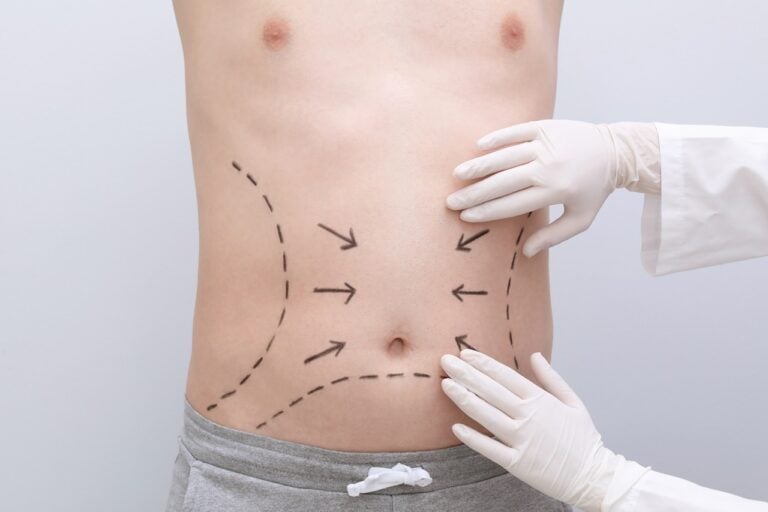
Liposuction surgery has helped countless individuals achieve their desired body shape, but understanding the healing timeline is essential for a smoother recovery. At the New York Liposuction Center, our team guides patients through every phase, from immediate aftercare to the return of full activity, so you can plan with confidence.
The recovery process after liposuction varies from person to person, and knowing what to expect can help you make informed decisions. In the following sections, we will break down each stage and answer common questions about liposuction healing, empowering you to approach the journey with clarity and peace of mind.
Key Takeaways

Understanding the Liposuction Healing Timeline
Recovery from liposuction follows a structured, phased timeline. Each phase brings unique milestones and sensations while your body gradually adapts to its new contours.
The First 48 Hours
Within the first two days after surgery, you may notice swelling, bruising, and tenderness in the treated areas. Our surgical team uses techniques that minimize trauma, and patients often report only mild to moderate pain. It is common for our surgeon to prescribe pain medication as needed for comfort.
Fluid drainage is also common for the initial day or two. Our staff may apply absorbent pads and recommend changing them as needed during this period.
The First Week: Early Recovery and Support
Most patients spend the first week resting at home. Our team recommends gentle walking to promote circulation and reduce the risk of blood clots. During this stage, wearing compression garments supports the newly sculpted areas and helps manage swelling.
Surgical drains are rare with modern liposuction techniques, but if used, our staff provides detailed care instructions at discharge. Bruising reaches its peak in the first several days, then gradually fades.
Two to Four Weeks: Returning to Routines
By the end of the second week, pain and soreness begin to diminish. Light daily activities can usually be resumed, and most people can return to non-physical work at this time. Our surgeon recommends continuing the compression garment for up to a month after surgery.
Swelling will persist, but it steadily decreases. The treated areas may feel firm or numb, which is part of the normal healing process.
One to Three Months: Ongoing Healing and Refinement
Most visible swelling resolves between four and six weeks post-surgery. At this point, patients notice smoother and more defined contours, though subtle changes continue for months. Any lingering hardness or numbness improves with gentle massage and time.
You may still experience some mild swelling, especially at the end of the day or after exercise. Our doctor offers strategies to support lymphatic drainage and restore sensation.
Three to Six Months: Final Results Reveal
Full results typically become clear three to six months after surgery. Most bruising and swelling have resolved by now, and the skin adapts to the underlying changes. If you have maintained a stable weight and a healthy lifestyle, the results last for many years.
Our team schedules follow-up appointments to monitor progress and address any questions that may arise as your body completes the healing process.
Key Factors That Impact Healing
Several variables influence how your body recovers after liposuction. Being aware of these factors allows you to plan for a smoother experience and set realistic expectations.
Individual Health and Age
General health plays a significant role in recovery speed. Younger patients with good skin elasticity tend to heal faster, though older adults also achieve excellent results when they follow aftercare instructions.
Underlying medical conditions, such as diabetes or autoimmune disorders, can slow healing. Our doctor reviews your medical history thoroughly during the initial consultation to anticipate any challenges.
Extent of Liposuction and Treated Areas
Healing time depends on both the number of areas treated and the amount of fat removed. A single, small area like the chin or arms heals more quickly than multiple large zones such as the abdomen, flanks, and thighs.
Larger procedures typically involve longer periods of swelling and a slower return to exercise and strenuous activity.
Surgical Technique
Modern liposuction techniques use smaller incisions and gentle cannulas to reduce tissue trauma. This leads to less bruising, less swelling, and overall faster recovery than traditional methods.
Our surgeons use advanced methods that balance safety and aesthetics, and they provide clear aftercare guidelines to maximize your healing potential.
Adherence to Aftercare Instructions
Closely following aftercare recommendations leads to a smoother recovery. This includes using prescribed compression garments, taking medications as instructed, maintaining hydration, and attending scheduled follow-ups with our team.
Being mindful of things to avoid after liposuction can decrease the risk of complications, such as delayed healing or contour irregularities. Staying in touch with our surgeon is always encouraged if you have questions about your progress.
What to Expect: A Week-by-Week Breakdown
Understanding how the body changes from week to week helps you feel confident during the entire recovery process. Here is a general progression for most patients at our practice.
Week 1: Rest and Initial Swelling
Swelling and bruising are most noticeable this week. Compression garments are worn continuously, except when showering, to support shape and reduce fluid accumulation.
Short walks are encouraged to stimulate blood circulation and speed up healing. Any discomfort should steadily decrease each day.
Week 2: Early Mobility Returns
After the first week, fatigue lessens, and pain improves. Many patients are able to return to office work or routine activities as long as they avoid heavy lifting or strenuous tasks.
It is important to continue wearing your compression garment, as this remains crucial for supporting the new contours and further reducing swelling.
Weeks 3–4: More Activity and Less Swelling
By weeks three and four, swelling begins to diminish significantly, and your shape becomes more apparent. Patients often feel ready to resume more daily activities, though our team encourages you to listen to your body and avoid sports or intense workouts.
Lingering swelling or firmness is normal at this stage, especially at the end of a long day.
Weeks 5–6: Taking Shape
Most patients are able to stop wearing compression garments at six weeks. Our surgeon may clear you to resume exercise gradually at this point, depending on your healing process.
The area continues to refine and soften, and your skin adapts to your new figure. Occasional numbness or itching may occur as nerves heal.
Months 2–6: Settling into Results
Subtle swelling may persist for several months, though your final shape gradually appears. The skin continues adjusting, and scars fade slowly over time. This is the stage when the vast majority of patients feel fully healed and enjoy increased self-confidence in their appearance.

Essential Tips for a Smooth Recovery
Maximizing your recovery starts with practical self-care and vigilance. Adopting these strategies, recommended at our practice, can make your healing journey more comfortable and stress-free.
Key Recovery Tips to Support Healing
Taking proactive steps at home helps you heal efficiently. Here are several valuable tips for your post-liposuction care:
- Wear your compression garment: Use your compression garment exactly as instructed to minimize swelling, encourage ideal contouring, and support tissue healing during the first few weeks.
- Move with care: Try to walk gently every few hours while avoiding strenuous movements or sports until our doctor confirms full clearance for physical activities.
- Sleep with care: Keep the treated areas elevated with pillows under your legs or torso. This assists in reducing swelling during sleep.
- Hydrate and nourish: Eat a balanced diet rich in lean protein, fruits, and vegetables, and drink plenty of water. Proper nutrition speeds healing and helps prevent complications.
- Monitor your incisions: Inspect incisions daily for increased redness, warmth, drainage, or pain. These changes could signal infection, in which case you should contact our office immediately.
- Maintain scheduled follow-up visits: Attend all appointments with our surgical team for optimal support, wound assessment, and guidance.
Incorporating these habits into your recovery routine helps limit discomfort and supports a steady healing pace.
Compression Garments: Why They Matter
One of the most important aspects of liposuction recovery is the consistent use of a properly fitted compression garment. At the New York Liposuction Center, our doctor ensures every patient receives guidance about why and how to use these garments for the best results.
How Compression Garments Support Healing
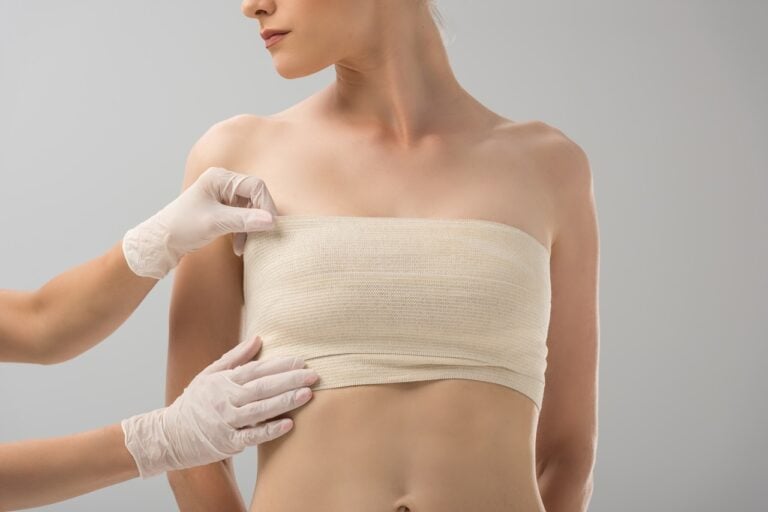
Compression garments gently press the treated areas to decrease swelling and help your body contour smoothly as tissues heal. They also reduce discomfort while minimizing the risk of fluid accumulation under the skin.
Our team instructs patients to wear their garments full-time for the first several weeks, with brief breaks for showering. This practice supports tissue adjustment and narrows the skin to the new contours.
Wearing a compression garment also supports incision healing and reduces the risk of scarring. Our staff helps with fitting adjustments and offers advice for comfort, so your experience feels as seamless as possible.
Transitioning Out of Compression Garments
Most patients can gradually reduce garment use after four to six weeks. The transition is tailored to your healing rate, the extent of the procedure, and any lingering swelling or discomfort.
Follow our doctor’s instructions carefully during this phase, as premature discontinuation can lead to increased swelling or suboptimal contour.
Lifestyle and Activity: Safely Returning to Normal
Achieving a full and satisfying recovery after liposuction involves careful planning and flexibility with daily routines. Our New York Liposuction Center team encourages patients to listen to their bodies while gradually increasing activity over time.
Safe Timeline for Returning to Activities
The timeline for resuming different activities unfolds in several stages:
- Daily personal care: Most patients return to gentle self-care such as showering and dressing within days of surgery, while taking care to avoid strenuous bending or lifting.
- Office work: Most patients can resume non-physical work within 7 to 10 days, depending on the areas treated and the amount of swelling present.
- Exercise: Low-impact walking can start within the first week, but strenuous activity, running, or weightlifting requires our surgeon’s clearance. It may take up to six weeks before you can return to full exercise routines without risking complications.
- Driving: Refrain from driving until you are off all narcotic pain medication and feel safe to operate a vehicle, usually after the first week.
- Social events and travel: Participation in social events and long-distance travel after liposuction should be postponed until you are mobile and feel comfortable in your compression garment.
Moving through each phase at a personalized pace means you give your body the best chance to heal while minimizing the risk of setbacks.
Recognizing and Preventing Complications
Staying informed about the signs of complications and prioritizing prevention helps ensure the safest recovery.
Possible Complications After Liposuction
Most complications after liposuction are rare, but important to consider them. They include:
- Infection: Symptoms include increasing redness, warmth, swelling, or drainage from the incision site. Prompt contact with our office is critical for rapid management.
- Contour irregularities: Small lumps or dents occasionally develop as swelling subsides. Our doctor assesses and addresses these at follow-up appointments.
- Seroma or fluid collection: Some patients experience pockets of fluid under the skin. Our team may use gentle aspiration or other methods to resolve this.
- Nerve changes: Numbness or tingling is normal and usually resolves over several months. Persistent changes may warrant further evaluation.
- Blood clots: Swelling and soreness in the calf could signal a blood clot. This requires immediate medical help.
Open communication with our practice means complications can be dealt with promptly and appropriately.
Prevention Strategies
Our doctor takes several steps to reduce the risk of complications, including using sterile technique, careful incision placement, and thorough patient instructions. At home, following aftercare advice, keeping the incision area clean, wearing compression, and attending regular check-ins support safe healing.
Long-Term Maintenance After Liposuction
The results of liposuction are intended to be long-lasting, but keeping them depends on your ongoing choices and commitment.
Maintaining Results for Years to Come
Liposuction permanently removes targeted fat cells, so these do not return if you maintain a stable weight. A few key habits help preserve results and avoid future issues.
- Balanced nutrition: Consistent, healthy eating patterns help prevent future fat accumulation and support stable metabolism.
- Routine exercise: Regular physical activity keeps muscle tone and prevents overall weight gain that could affect your results.
- Hydration and skincare: Drinking plenty of water and following meticulous skincare reduces swelling, supports healing, and encourages smoother scars.
- Weight maintenance: Fluctuations in body weight can alter areas treated by liposuction, sometimes leading to uneven results or new bulges.
- Annual check-ins: Our team encourages periodic visits so we can monitor your progress, answer questions, and recommend adjustments if anything changes.
Following these steps means you can enjoy your improved contours for many years.
Common Questions About Liposuction Recovery
Concerns about healing and outcomes are normal for anyone considering liposuction. Here are several of the most frequent questions patients ask our New York Liposuction Center team, along with up-to-date guidance.
Planning Your Liposuction Recovery With Confidence
Understanding the healing timeline for liposuction helps you set realistic expectations and approach the experience with peace of mind. Each stage, from the first few days to the final results, brings different demands and milestones that our New York Liposuction Center team supports with thorough aftercare and compassionate guidance.
Every patient heals at a different rate and experience, and our surgeon personalizes recovery plans to align with your needs and goals. We encourage you to contact our New York office whenever you have questions, whether you are considering liposuction or are in the middle of recovery.
If you are ready to take the next step or simply want more information about liposuction and its healing process, reach out to the New York Liposuction Center to schedule a consultation. Our dedicated staff is here to ensure your journey is safe, informed, and absolutely supported from start to finish.