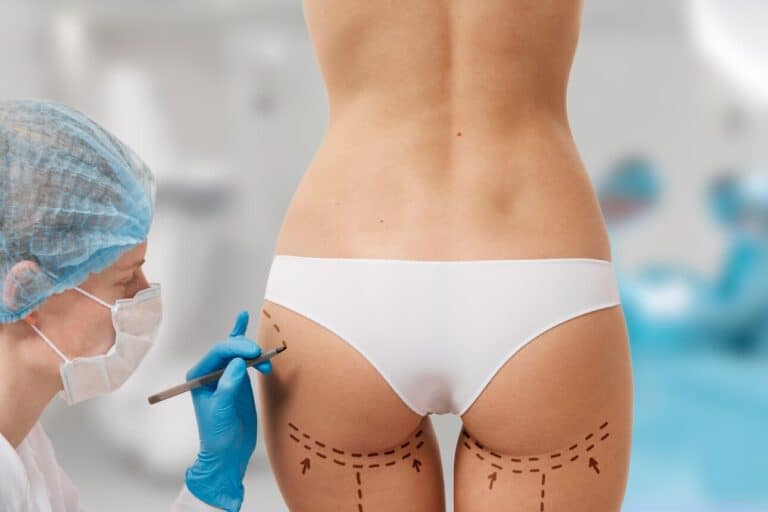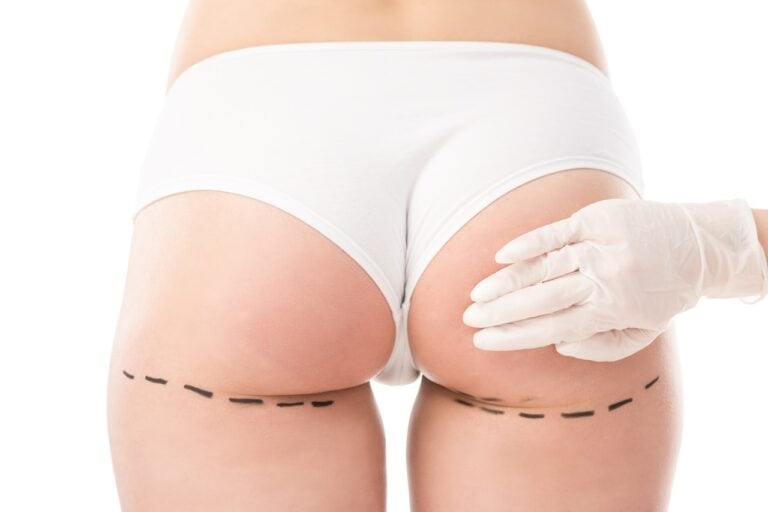
At the New York Liposuction Center, you may feel excited about your BBL results, yet sometimes the surgical outcome does not match your expectation. Not every procedure leads to a seamless result, and even when you follow all post-op advice, you can experience asymmetry, contour irregularities, or dissatisfaction with shape or volume.
A Brazilian Butt Lift revision can help address these concerns and offer you another opportunity to achieve your desired silhouette. If you feel concerned about a previous BBL or want to know how a revision works, learning about the process can empower you as you consider your next steps.
Key Takeaways
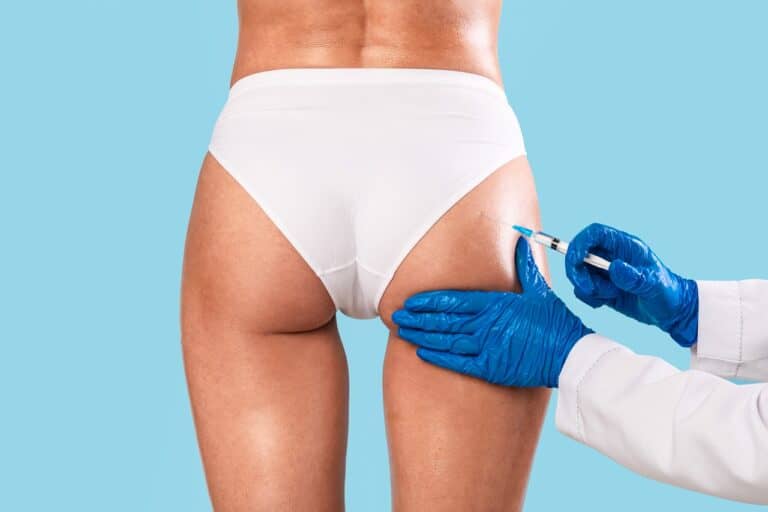
Understanding BBL Revision Surgery
A BBL revision is a tailored surgical procedure that addresses problems from an initial Brazilian Butt Lift. Many patients seek revision to improve contour, size, or symmetry when their first BBL delivery falls short.
Revisions require advanced expertise because your body already underwent an initial fat transfer and liposuction. Scar tissue, altered anatomy, and limited donor fat add complexity. Evaluating your surgical history and current goals becomes a critical first step.
What Makes BBL Revision Different from Primary BBL
BBL revision distinguishes itself from a first-time BBL for several reasons. The surgeon must remove or add fat precisely while minimizing trauma to previously treated tissues. In most revisions, you have less available donor fat, and the risk of unpredictable fat survival increases.
You may require additional techniques to fix scarring, correct indentations, or improve unevenness left by the first surgery. Revision also often involves managing scar tissue, which can complicate both fat removal and grafting.
Goals of BBL Revision
Patients typically pursue BBL revision for one or more of these reasons:
- Asymmetry or uneven results
- Under- or over-projection of the buttocks
- Lumpiness, dips, or visible contour irregularities
- Excess volume loss or fat absorption
- Changes in preferences or lifestyle since the original procedure
Clear communication of your goals with your surgeon helps tailor the surgical plan and manage expectations about achievable outcomes.
Conditions Treated with BBL Revision
Revision surgery can address several issues arising after a BBL, and understanding the typical concerns helps clarify your options.
Correcting Volume Loss or Asymmetry
Some patients experience significant fat absorption after a Brazilian Butt Lift. This can lead to flatness or loss of projection that does not match your goals. A revision can reintroduce fat, if enough donor areas exist or shape the buttocks with alternative techniques.
Others notice uneven size, shape, or differences in projection between the buttocks. Careful adjustment with secondary fat grafting or selective fat removal can restore better symmetry.
Improvement of Surface Irregularities
Contour problems often appear as lumps, indentations, or wavy textures. Scar tissue formation or poor fat placement during the first surgery creates these visible or tactile issues. BBL revision targets these irregularities with techniques such as smoothing, additional liposuction, or fat redistribution.
Addressing Over-Correction or Disproportion
Sometimes, the buttocks appear too large or disproportional to the hips, waist, or legs. Our surgeons can remove excess fat or reshape the butt area through fine-tuned liposuction. Addressing over-projected or unnaturally shaped results often requires great care to achieve a balanced contour.
Treating Skin Laxity or Aging Changes
Mature patients, or those whose weight or skin status has changed since the initial procedure, may experience sagging. Revision surgery can incorporate a skin-tightening step when necessary.
Who is a Candidate for BBL Revision?
Deciding to proceed with a revision requires a comprehensive assessment. Patients must meet several criteria to maximize safety and satisfaction.
Key Qualifications for Revision Surgery
You are most likely a good candidate when:
- You are in generally good health and cleared for elective surgery
- You do not smoke or are committed to quitting well before surgery
- You have maintained a stable weight for several months
- You possess realistic expectations about improvements versus complete “perfection”
- You have sufficient donor fat for grafting or are open to alternative options
You should wait at least 6–12 months after your initial surgery before considering revision. This allows all swelling to resolve and final results to stabilize.
When Revision May Not Be Advisable
Revision may not be recommended if you have medical conditions that increase surgical risk, or if not enough donor fat exists for further fat transfer. Significant scarring, damaged blood supply, or repeated previous attempts may also limit corrective options.
We always perform an in-depth consultation to evaluate your candidacy and safety for a revision procedure.
Techniques Involved in BBL Revision
BBL revision is not a single approach, as the surgeon adapts their technique to address your unique goals and challenges. The surgical plan depends on your anatomy and the issues requiring correction.
Key Surgical Techniques in BBL Revision
Several butt procedure methods may come into play during a revision procedure. The approach considers both your current results and what you hope to change.
- Revision Liposuction: Removing excess or misplaced fat from unwanted areas restores smoother contours and symmetry. Scar tissue may require special handling to release irregularities safely.
- Secondary Fat Grafting: Additional fat transfer to the buttocks replaces lost volume or fills indentations. Our surgeons often refine graft placement with more precision than the initial surgery.
- Fat Removal from the Buttocks: If the buttocks appear too large or disproportionate, selective suctioning can sculpt the area to your liking.
- Scar Tissue Correction: Specific techniques release or break down firm scar tissue. This can improve texture differences and make the surface smoother.
- Skin Tightening or Lifting: In select cases, the surgeon addresses excess skin or sagginess with a lifting procedure.
You may need a combination of these methods for the best results. Revision surgeries usually require more careful planning and a slower, more meticulous surgical pace than a primary BBL.
The Surgical Experience
As with any major body contouring surgery, BBL revision takes place under general anesthesia. Your surgeon will review your previous operative notes and scar patterns to anticipate variables. The length of the procedure varies with complexity but can range from two to five hours.
Our team provides detailed preoperative instructions for optimizing safety and recovery.
Risks and Challenges of BBL Revision
BBL revision tends to have a higher degree of difficulty than an initial BBL. Risks exist with any surgery, but in revision cases, you face special considerations.
Common Risks Associated with BBL Revision
The chance of complications may increase slightly with revisions. Some of the potential issues include:
- Infection: Scar tissue and altered blood supply can raise infection risk.
- Fat Necrosis: Dead or non-viable fat cells may form hard lumps, which may require future treatment.
- Asymmetry or Shape Issues: Achieving perfect symmetry is more challenging the second time.
- Fat Survival Variability: Less predictable results can occur due to altered tissues and reduced fat quality.
- Wound Healing Delays: Scarred or thinner skin can slow recovery and increase the chance of visible scars.
- Contour Irregularities: Residual bumps or improvements that fall short of original expectations can sometimes remain, even after revision.
Every surgery at our office includes attentive follow-up and immediate, expert response to any complication that may arise. Most patients who select a highly skilled and experienced surgeon see improvement and avoid major setbacks.
Limitations Unique to Revision Procedures
Your results may not fully match your ideal, as primary tissue changes from your first BBL can limit the extent of achievable correction. Scar tissue always poses a challenge by restricting how much fat can be harvested, moved, or grafted.
If donor fat is scarce, alternatives such as synthetic fillers or smaller size adjustments may be the only viable option. Our surgeons emphasize the importance of honest conversation about both the possibilities and the limits of revision.
Recovery from BBL Revision and Aftercare
Healing after BBL revision has similarities to your original procedure, although some patients find the process slightly longer or more complex. Swelling, bruising, and tenderness are common after surgery and may persist for several weeks.
Immediate Postoperative Timeline
You can expect to return home the same day after outpatient surgery unless a more extensive revision requires a short overnight stay. Most patients experience the most discomfort during the first three days, managed with prescription pain relief.
We advise sleeping on your stomach or sides and avoiding direct pressure on your buttocks for the first two to three weeks. Wearing a special compression garment supports healing and reduces swelling.
Typical Recovery Milestones
Progress often occurs as follows:
- Weeks 1–2: Most patients require time off work and avoid strenuous activity.
- Week 3 onward: Light activity and gentle movement usually resume, but sitting directly on the buttocks remains limited.
- Weeks 6–8: Many restrictions lift, though full exercise can require your surgeon’s clearance.
- Three to six months: Final results become visible as the fat settles and swelling fades.
We provide clear written aftercare guidelines to help you maximize fat survival and minimize risks after your revision.
How to Prepare for BBL Revision
Planning a successful BBL revision goes beyond setting the surgical date. Advanced preparation improves results, reduces risk, and promotes a faster recovery.
Essential Steps to Take Before Revision
Here is a focused look at what you can do to prepare:
- Medical Clearance: A full evaluation ensures you are healthy enough for another surgery, including updated lab work and a discussion of prior procedural details.
- Smoking Cessation: Nicotine use can impair both fat survival and wound healing. We require patients to stop all tobacco use several weeks beforehand.
- Medication Review: Share a current list of medications and supplements, as some may increase bleeding or interact with anesthesia.
- Weight Stability: Fluctuating weight can change fat availability and influence results. Our surgeons encourage maintaining your current healthy weight if possible.
- Support System: Arrange help for the first week, especially with transportation, meals, and daily activities.
A thorough consultation and mutual planning session between you and your surgeon strengthen every stage of the process.
Choosing Your BBL Revision Surgeon
Selecting the right surgeon is critical for a safe and satisfying experience. BBL revision contains more variables than many cosmetic procedures, so experience truly matters.
Hallmarks of an Excellent Revision Surgeon
Look for these key qualifications when making your decision:
- Board Certification: Ensure your surgeon holds credentials in plastic surgery from recognized medical boards.
- Specialty Experience: The best results often come from surgeons who focus on body contouring and have extensive experience with both primary and revision BBL cases.
- Before-and-After Photos: Request to see cases similar to yours, paying close attention to improvements after revision surgeries.
- Patient Communication: Listen for open, honest discussions about what is achievable and what limits may exist based on your unique situation.
- Safety Record: Prioritize practices that offer in-person follow-up, hospital privileges, and a well-trained medical team.
Bringing your questions and concerns to your consultation ensures that your surgeon’s knowledge, bedside manner, and communication style match your preferences.

Frequently Asked Questions about BBL Revision
At our practice, patients naturally have questions and anxieties when considering another surgical procedure. Here are answers to several common concerns about BBL revision.
Restoring Confidence through BBL Revision
Our team understands that seeking a BBL revision can feel intimidating, especially if you feel disappointment or frustration about your initial results. Revision surgery offers a meaningful opportunity to regain balance, enhance curves, and experience new satisfaction with your body.
Taking this path requires thoughtful planning, an honest conversation about what your body can achieve, and a partnership with an experienced surgeon who prioritizes your goals. Many patients who undergo revision find themselves more at ease in clothing and more confident in their appearance as they heal.
When you feel ready to explore your options or need help with a previous Brazilian Butt Lift, schedule a private consultation at the New York Liposuction Center. Our specialists will answer your questions candidly, review possible surgical options, and help you create a plan that fits your needs for safety and beauty, to provide clear guidance before planning your BBL investment.