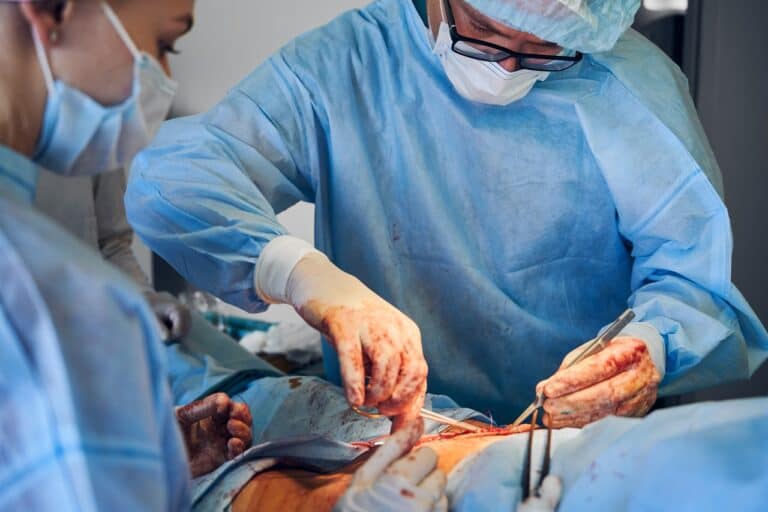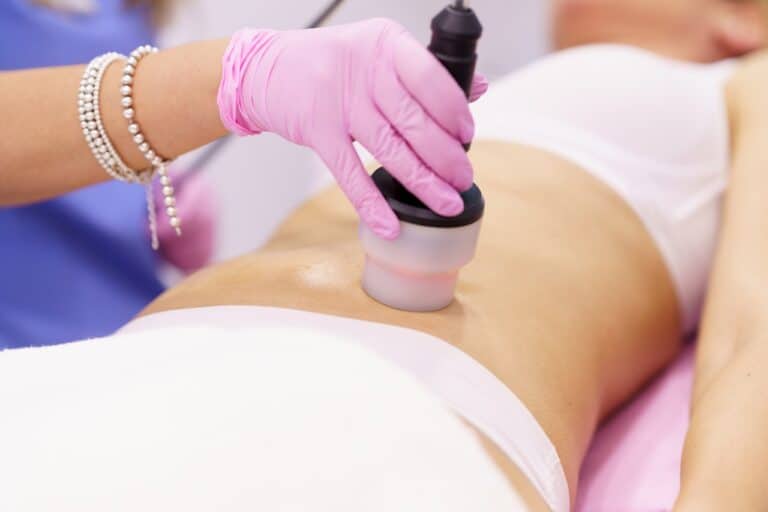
A successful liposuction can feel like a fresh start for many people who want to reshape their bodies, but the procedure is not without liposuction risks. Allergic reactions during or after surgery represent one of the more concerning issues that patients and surgeons face.
At the New York Liposuction Center, our surgeons believe that understanding “liposuction surgical allergies” before your procedure helps you feel safe and confident about what to expect. Allergies during liposuction can affect everything from comfort to your overall outcome, so careful attention matters. This article examines surgical allergies from start to finish, so you know exactly what to discuss with your doctor and how to make proactive choices.
Let us explore what liposuction-related allergies really mean, how to recognize them, and your options for prevention and management.
Key Takeaways
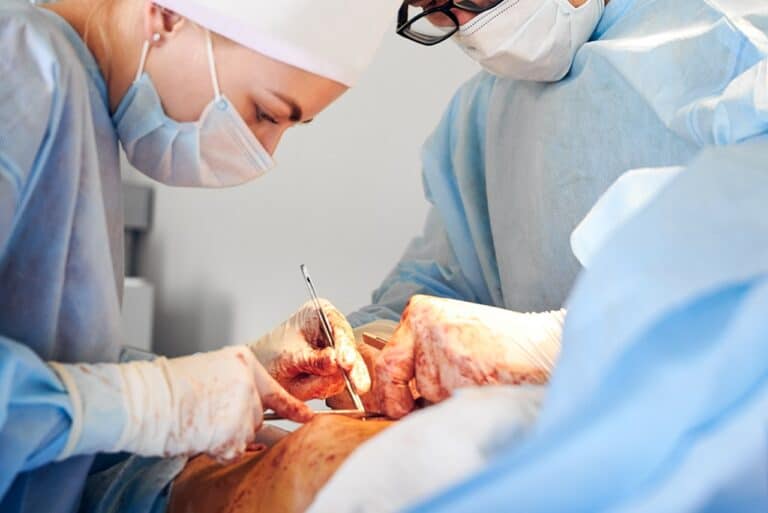
Understanding Surgical Allergies in Liposuction
Surgical allergies include a range of immune responses that your body can experience during or after liposuction. Allergic reactions sometimes stem from contact with medications, surgical gloves, adhesives, antibiotics, or anesthesia agents.
These immune responses do not always look the same for every patient. Each person has a unique risk profile based on their history, medications, and even genetics. At the New York Liposuction Center, our surgeon reviews all possible triggers before surgery begins.
How the Immune System Triggers Allergies
When your immune system detects certain substances as threats, it reacts by releasing chemicals like histamine. This can cause visible symptoms, such as hives, or internal reactions, such as swelling or drops in blood pressure.
Most common liposuction allergies happen when the immune system overreacts to a harmless substance used in the operating room. The goal is always to minimize your risk before surgery and to address any symptoms quickly if they occur.
Common Substances That May Cause Allergic Reactions
Our team works to minimize known triggers, but full avoidance can be challenging because liposuction uses many products that differ from patient to patient. Some materials and medications are more commonly linked with allergic reactions during liposuction.
Substances That Often Cause Allergies
Several key substances are responsible for the majority of perioperative allergic responses. Understanding these helps you and our practice stay alert for the signs.
- Local anesthetics: Medications like lidocaine and bupivacaine freeze pain but can rarely cause true allergic responses.
- General anesthetics: Inhaled or intravenous anesthesia drugs, including propofol and muscle relaxants, sometimes produce immune responses or pseudoallergy symptoms.
- Latex: Disposable surgical gloves and some elastic items may contain latex, a well-known allergy trigger in healthcare.
- Antibiotics: Medications such as penicillin or cephalosporins, given to prevent infection, can provoke allergic reactions in sensitive individuals.
- Antiseptics and disinfectants: Substances like chlorhexidine or iodine, which clean the skin before surgery, can cause redness, itching, or rash.
- Adhesives: Tapes and glues that close wounds or hold surgical drapes in place can trigger localized or systemic allergic reactions.
These agents represent the most frequent causes, but reactions may develop occasionally from other materials or alternative treatments like injection lipolysis too. Close monitoring during and after surgery helps identify any issues early.
Types of Allergic Reactions During Liposuction
Allergic responses during surgery do not all look the same. Reactions can be minor or severe, depending on the substance and your personal sensitivity.
Common Allergic Reaction Types
Certain types of allergic reactions occur more frequently, while others remain rare but dangerous. Early identification and intervention are critical.
- Contact dermatitis: This limited reaction causes itching, burning, or redness in the area exposed to the offending substance. It often results from adhesives or antiseptics.
- Drug hypersensitivity: A true drug allergy can produce skin rashes, swelling, fever, or more serious internal symptoms.
- Anaphylaxis: This life-threatening allergy causes sudden drops in blood pressure, breathing trouble, and swelling of the throat or tongue. It requires urgent medical intervention and is extremely rare during cosmetic surgery.
- Angioedema: This reaction involves swelling under the skin, usually on the lips, face, or eyes, and sometimes accompanies hives or anaphylaxis.
- Asthma-like symptoms: Wheezing, shortness of breath, or coughing may occur if sensitive airways react to anesthesia or other medications.
Recognizing these various reactions empowers our team to start treatment without delay. Thorough history-taking and vigilance help prevent the most serious complications.
What Causes Allergic Reactions During Liposuction?
Multiple factors combine to determine your allergy risk during surgery. Not every reaction comes from the same source, so understanding risk factors adds another layer of protection.
Previous allergic reactions, underlying chronic conditions, and several other factors can play a significant role.
Patient Risk Factors for Surgical Allergies
Histories and underlying medical conditions make some people more prone to allergic reactions in the surgical setting. Your surgeon always investigates these risk factors before your procedure.
- History of allergies: Any past episodes of drug allergy, food allergy, asthma, or eczema raise the possibility of a perioperative reaction.
- Multiple surgeries: Patients with repeated procedures have a heightened risk, as repeated exposure increases the chance of sensitization.
- Chronic medical illness: Conditions such as autoimmune disease, chronic urticaria (hives), or mast cell disorders influence risk.
- Medication use: Certain long-term drugs or supplements may interact with anesthesia agents or cause hypersensitivity.
Even those seeking significant weight loss from liposuction with no previous history can occasionally experience new allergic reactions during their first surgery, so careful preparation remains vital.
Recognizing the Symptoms of Surgical Allergies
Symptoms of allergic reactions can develop suddenly or evolve hours after surgery. Prompt recognition is the key to preventing escalation.
Most Common Signs and Symptoms
The signs vary widely in appearance and severity. As a patient, you should know these possibilities.
- Skin changes: Hives, redness, itching, or swelling can occur at the surgical site or on other body parts.
- Breathing difficulty: Tightness in the chest, coughing, wheezing, or shortness of breath are possible signs of an airway reaction.
- Facial or lip swelling: Swelling on the face, tongue, lips, or throat can signal developing anaphylaxis or angioedema.
- Low blood pressure or rapid heartbeat: Fainting, pale skin, or feeling dizzy may happen in dangerous reactions.
- Unexpected pain or anxiety: Some people feel severe discomfort, agitation, or a sense of moaning more than would be expected after their procedure.
If you notice any of these symptoms after surgery, informing our team right away is essential.
How Our Surgeons Prevent Surgical Allergies
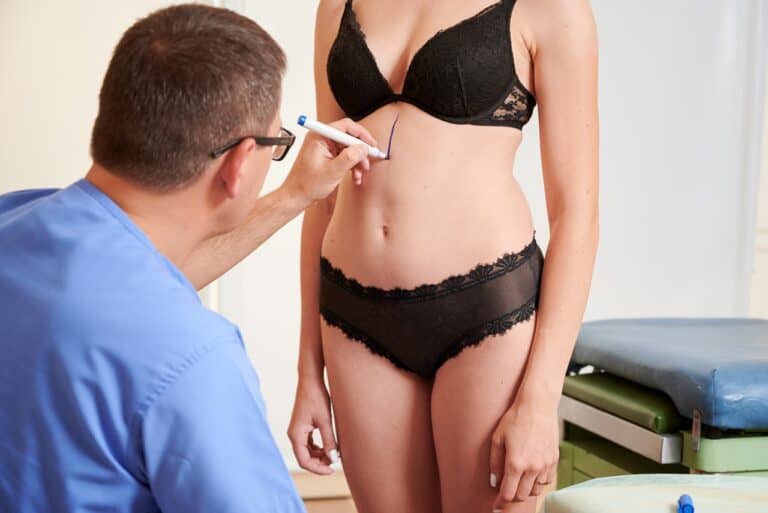
At the New York Liposuction Center, prevention starts long before the day of your actual procedure. This phase includes strategy, discussion, and sometimes diagnostic testing to ensure every identified risk receives proper attention.
Steps for Preventing Allergic Reactions
Our protocol involves careful steps that identify and address potential allergy risks on a case-by-case basis.
- Detailed medical history: Sharing past allergies, unusual medication responses, and reactions to food allows our surgeon to map out your unique allergy profile.
- Medication review: Understanding your current medications, including over-the-counter and supplements, helps in predicting problematic drug interactions.
- Physical examination: Evaluating your skin, lungs, and cardiovascular system detects symptoms that might indicate underlying allergic risk.
- Testing for allergies: Our team recommends skin, patch, or blood testing for patients with known or suspected latex or drug allergies.
- Material selection: We choose latex-free surgical gloves and hypoallergenic tapes, and use special anesthesia agents for high-risk patients whenever possible.
- Patient education: Educating you about the signs to watch for helps ensure any delayed reactions get treated quickly.
Whether you are undergoing a standard procedure or high-definition liposuction, every preventive action makes a safer surgical experience more likely. Our drive for safety reflects our commitment to your well-being.
Each patient’s prevention plan is unique and might involve one or all of the above steps, depending on risk factors revealed during your initial consultation.
Diagnosing and Responding to an Allergy
Occasionally, even with planning, allergic reactions can occur during liposuction. Early diagnosis and prompt treatment create the best outcomes.
Anesthesia and surgical care teams monitor you closely for every sign of a potential reaction throughout the operation. Their ability to recognize the earliest symptoms often makes all the difference.
Immediate Actions During an Allergic Reaction
If a reaction happens under anesthesia, our team responds with a clear, structured process. This ensures no symptom goes untreated.
- Recognition: Team members watch skin color, breathing, blood pressure, and heart rate throughout the procedure.
- Cessation of offending agent: The first step is discontinuing the suspected medication or stopping contact with the triggering material.
- Medication administration: Our anesthesiologist gives antihistamines, steroids, or epinephrine as needed, depending on the type and severity of the reaction.
- Supportive care: Oxygen, intravenous fluids, or equipment to support the airway come into play for severe reactions.
- Documentation and reporting: Every allergic episode is fully documented and reviewed with the patient and care team after surgery.
Open communication after the event allows you to adjust future care protocols and understand how to avoid the trigger moving forward.
Postoperative Allergic Reactions Signs
Some allergic reactions do not develop until hours or even days after the procedure. These so-called delayed reactions can cause confusion and discomfort if not recognized quickly.
Types of Delayed Allergic Reactions
Certain symptoms should prompt a call to our practice, as they may indicate delayed hypersensitivity related to materials or medications used during surgery.
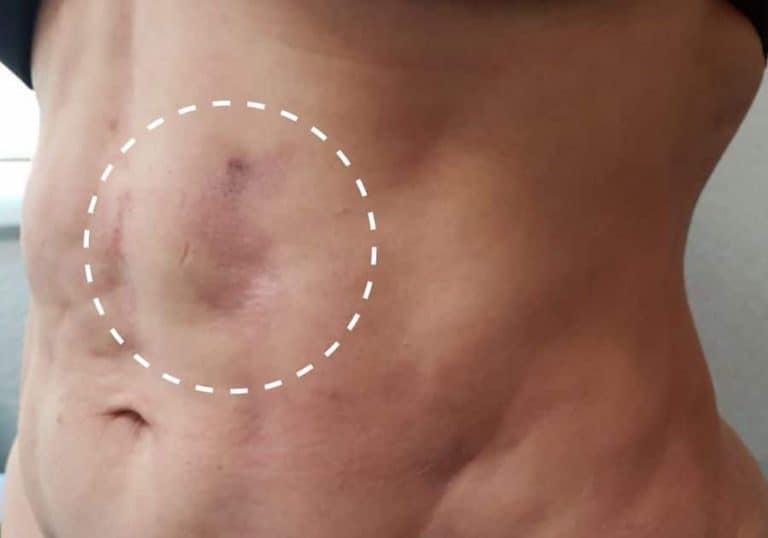
- Rashes or hives away from the incision: These can appear as small red spots, raised patches, or intensely itchy areas.
- Swelling localized to adhesive or tape contact: Mild to moderate swelling near bandages usually signals a tape allergy.
- Fever or flu-like symptoms: While rare, ongoing fever or chills sometimes follow antibiotic-related drug allergies.
- Unexplained joint pain or muscle aches: Medications sometimes trigger more generalized symptoms a day or two after exposure.
If you experience any unfamiliar symptoms in the days after liposuction, reach out. Early evaluation helps prevent further issues and can minimize discomfort.
Managing and Treating Allergic Reactions After Surgery
Treatment strategies differ based on the severity and timing of the reaction. Most allergic episodes resolve quickly with standard medical therapies.
Minor skin symptoms, such as itching or mild swelling, usually respond well to oral antihistamines or topical steroids. These medications can bring substantial relief within hours or days.
Moderate reactions, especially those involving swelling, may require oral steroids, close observation, and sometimes even a visit to our office for additional care.
For severe or systemic symptoms, including breathing difficulty or facial/throat swelling, call emergency services or return to our surgical center immediately. Time is critical in those rare cases. The New York Liposuction Center keeps emergency supplies and equipment on hand at all times.
How to Prepare Before Surgery If You Have Known Allergies
Patients who already know they have allergies, whether from previous surgeries, foods, or environmental exposures, can take extra measures to ensure their safety. Preparation involves discussion, coordination, and sometimes additional testing.
Start by sharing a full list of allergies and reactions with our team during your preoperative appointment. This information allows us to guide the safest material and medication choices for your needs.
If you require allergy testing or consultation with an allergist before surgery, arrange these appointments in advance. Our office can coordinate referrals for specialized testing when needed.
Update your surgeon about any new reactions, illnesses, or medication changes in the weeks leading up to liposuction. Keeping records current ensures your safety throughout the surgical process.
Frequently Asked Questions About Liposuction Surgical Allergies
Many people have concerns about allergies and how they might affect their surgical experience. Addressing the most common questions can help you feel more prepared for your own procedure.
The Role of Communication in Allergy Safety
Open, honest communication provides a vital safeguard in every surgical experience. Patients who feel empowered to ask questions, share medical history, and update our team about new symptoms are best protected against possible allergic events.
Our surgeons believe every patient should feel heard and respected throughout the liposuction planning process. When communication flows freely between you and the surgical team, allergic risk drops substantially.
At every stage, from consultation to recovery, our office welcomes your questions. We commit to clear explanations and personal follow-up, reflecting our patient-first philosophy.
Your Next Steps for a Safe Liposuction Experience
Knowledge is the best defense against surgical allergies. By knowing your personal risks, recognizing early symptoms, and participating in planning with your surgeon, you set the stage for a safe, effective, and satisfying liposuction journey.
If you have any further questions about surgical allergies or concerns about how your medical history may impact your procedure, the team at the New York Liposuction Center is here to help. Reach out today to schedule your consultation, where you can review your risks and develop a care plan that matches your needs and expectations.