A successful Brazilian Butt Lift can transform your body and confidence, but recovery and the overall value of BBL procedures depend on more than just surgical skill. At the New York Liposuction Center, we find that the choices you make in the weeks before and after surgery have a dramatic impact on your outcome.
One of the most important lifestyle decisions concerns smoking. Understanding how tobacco, nicotine, and vaping impact your body’s healing after BBL surgery can make the difference between optimal results and serious complications. If you are considering BBL or preparing for recovery, keep reading to discover what you need to know about smoking after this popular procedure.
Key Takeaways
Understanding the Brazilian Butt Lift (BBL) and Its Unique Healing Needs
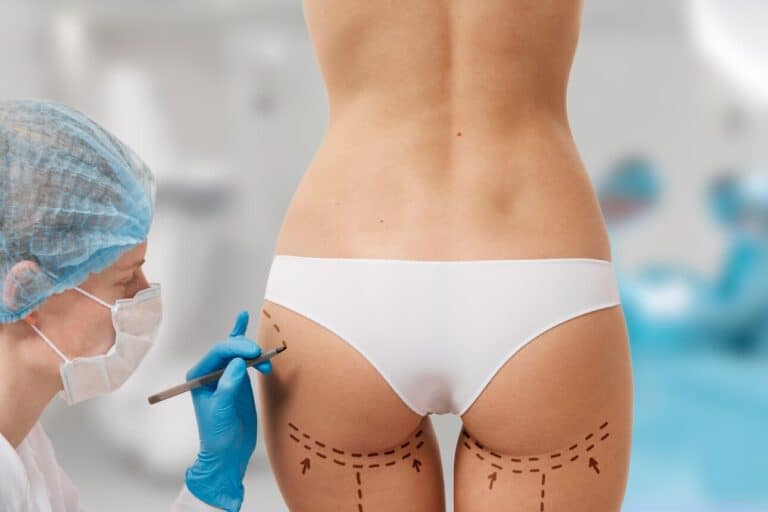
A Brazilian Butt Lift reshapes your figure by transferring fat from one area of your body to your buttocks. Surgeons perform BBL in two main steps. First, they remove unwanted fat using gentle liposuction, then they inject the purified fat into your buttocks to create fullness and contour.
Unlike implants or butt injections, BBL relies entirely on your own living fat cells. These cells require a steady blood supply to survive in their new location. If the cells do not receive enough nutrients and oxygen, some or all of the fat may fail to survive.
In the days and weeks after BBL, your body works to develop new blood vessels that nourish the transferred fat. This delicate healing process can be disrupted by many factors, but tobacco and nicotine interfere more than almost any other lifestyle habit.
Why Smoking Hurts BBL Results
To understand why smoking poses such a risk after BBL, you need to know how tobacco and nicotine affect your body’s tissues.
Smoking causes blood vessels to constrict, which reduces the amount of oxygen and nutrients that reach healing tissues. This effect impacts not only your skin, but also the fat that has just been transferred.
Since BBL success depends on the health of these transferred fat cells, any reduction in blood flow can threaten the overall outcome. Patients who smoke have a much higher risk of losing fat volume, experiencing delayed healing, and developing visible irregularities.
BBL Recovery: Why Healthy Circulation Makes the Difference
After BBL, healthy blood flow is critical for several reasons. First, it provides oxygen that newly relocated fat needs during its adjustment period. Second, good circulation helps prevent infection by allowing immune cells to reach the surgical site quickly.
Tobacco use interrupts these essential processes. When you smoke or use nicotine, the body’s small blood vessels constrict so less oxygen reaches the recovering area. This loss of oxygen makes the tissue more vulnerable and the healing slower.
Patients seeking the best possible results from BBL should prioritize anything they can do to improve circulation, including quitting smoking as soon as possible and following essential BBL recovery tips. Better circulation means better fat survival and a smoother recovery experience.
What Smoking Really Does to Your Healing Body
Patients often underestimate how quickly smoking affects their surgical outcome. Even one cigarette can cause blood vessels to constrict for many hours.
When circulation drops, your body’s natural repair processes slow down. This increased stress on healing tissue can result in more swelling, greater risk of infection, and less predictable BBL results overall.
In particular, the new fat cells in your buttocks may not receive enough oxygen to survive. When this occurs, pockets of fat can die, leading to irregular lumps known as fat necrosis. Damaged tissue may also heal into thicker, more painful scars or take much longer to settle.
How Smoking Affects Fat Survival After BBL
Fat survival is the heart of any successful BBL. Our surgeons use techniques that maximize the survival rate, but lifestyle factors like smoking can make even the best methods less effective.
Nicotine, carbon monoxide, and other toxins in tobacco all reduce the ability of your new fat cells to absorb oxygen. This impairs their ability to integrate into the blood supply of your buttocks. Some of the transferred fat will naturally be reabsorbed by the body after surgery, but smoking increases the amount of fat lost, so your results will be less full or shapely than intended.
Your choice to quit smoking before and after surgery helps the transferred fat survive, which in turn protects the quality of your surgical results.
Potential Complications of Smoking After BBL
Complications can be both short-term and long-term when patients resume smoking too early after surgery. Here are some of the main health concerns that our surgeons watch for.
Common Smoking-Related Complications
The effects of smoking on post-BBL recovery touch many aspects of healing. Here are some of the most frequent issues seen in patients who smoke:
- Infections: Smoking impairs immune response, which leaves healing wounds more vulnerable to bacteria and delayed closure.
- Delayed Wound Healing: Nicotine slows the growth of blood vessels and new tissues, so wounds stay open longer and increase scarring.
- Fat Necrosis: Poor circulation and tissue oxygenation cause patches of transferred fat to die, creating hard lumps and asymmetry.
- Visible Scars: Wounds exposed to tobacco are more likely to heal with raised, widened, or pigmented scars, making proper BBL scar management especially important during recovery.
- Poor Aesthetic Outcome: Greater fat loss and increased fibrosis can cause uneven or disappointing BBL results.
Each of these risks may mean additional treatments, prolonged downtime, or less satisfactory results than you expected. Avoiding these complications starts with staying away from all smoking and nicotine products.
How Long Should You Avoid Smoking Before and After BBL?
Timing your break from tobacco is critical as you prepare for BBL surgery. Our standard recommendation is to avoid smoking or using nicotine for several weeks on both sides of your procedure.
What is the Recommended Timeline?
Many patients ask about the best time frame to quit smoking and how long to abstain after surgery. Based on current research and our own experience, we suggest the following guidelines:
- Before Surgery: Stop all nicotine, including cigarettes and vaping, at least 4 weeks before your scheduled BBL. This allows your body to begin healing and improves your circulation.
- After Surgery: Remain completely nicotine-free for at least 6 weeks following BBL. The most critical period for fat survival and healthy tissue growth occurs during this window.
Patients who avoid nicotine for this recommended period dramatically lower their risk of complications and improve their chances for a beautiful, lasting outcome.

Special Considerations for Vaping, Nicotine Patches, and Other Products
Many patients believe that vaping or using nicotine replacement products is safer than smoking cigarettes. While these products eliminate some of the harmful chemicals created by burning tobacco, the nicotine present in both products still affects healing tissue.
Nicotine constricts blood vessels no matter the source. This means vaping, nicotine gum, patches, lozenges, and even secondhand smoke can all reduce circulation and endanger your BBL results.
If you want to ensure the safest recovery, you should avoid all sources of nicotine before and after your BBL. Our team can help you identify hidden sources and create a plan to assist you in staying nicotine-free.
Physical and Emotional Benefits of Staying Smoke-Free After BBL
Quitting smoking benefits more than just your surgical results. Patients who maintain a smoke-free lifestyle before and after BBL experience improvements in their overall health, emotional well-being, and self-image.
First, your body heals faster from surgery when you avoid tobacco and nicotine. Your risk of infections, scarring, and poor outcomes drops. You are likely to have more energy, better stamina, and higher immune protection.
On an emotional level, many patients feel empowered knowing they protected their BBL investment and improved their future health. The newfound confidence from both a new shape and a healthier lifestyle can be transformative.
Support and Resources for Quitting Smoking Before BBL
The journey to a successful BBL does not end at the operating table. For many patients, overcoming nicotine addiction is the key to giving yourself the best possible start. Our surgeons and the support team at the New York Liposuction Center guide patients through this process before surgery.
Tools and Strategies to Help Quit Smoking
Our team recommends several approaches that make quitting more manageable before your BBL procedure:
- Behavioral Counseling: Professional counseling builds motivation, uncovers triggers, and provides practical strategies for staying smoke-free.
- Support Networks: Connecting with friends, family, or support groups offers encouragement that keeps you on track.
- Healthy Alternatives: Developing new routines, hobbies, or stress relievers can distract from cravings and fill time once used for smoking.
We remain here to support you as you transition away from nicotine. Many patients find the positive changes in their wellbeing and appearance outweigh the challenges of quitting.
Timing Your Smoking for Best BBL Results
Planning the end of your smoking habit is a critical part of your BBL preparation. By addressing this lifestyle change early, you give yourself the best chance at healing beautifully. Good preparation can also reduce stress and anxiety during your surgical recovery.
Most patients achieve the greatest success when they set a clear quit date that falls at least one month before surgery. Combining multiple quitting tools, such as counseling and peer support, can increase your chances of staying nicotine-free through the entire recovery process.
What Happens if You Smoke After BBL?
Patients may wonder: what are the real-world consequences of returning to smoking after their procedure? Some feel fine if they break the rules just once, but the risks are not always obvious in the first days or weeks.
Even a single cigarette can restrict blood flow long enough to threaten fat survival and cause wound problems. The most serious complications, such as fat necrosis or infection, often develop slowly before becoming obvious and may sometimes lead patients to explore BBL revision options.
If you resume smoking after your BBL, contact your surgical team so that they can assess your healing and recommend solutions early. Early intervention can sometimes prevent more serious issues.
Long-Term Success: Protecting Your Investment in Your Body
The investment you make in your Brazilian Butt Lift does not end once you leave the operating room. Protecting your outcome requires ongoing choices that support your health and aesthetic goals.
Avoiding smoking for good not only safeguards your surgical results but also reduces your risk of many other chronic health problems. With each healthy day you move further away from tobacco, you help protect the shape and softness of your new curves.
At our center, the most satisfied patients listen to their bodies and their surgeons as they commit to lifelong wellness.
What to Do If You Struggle to Quit Smoking
Quitting a long-term habit like smoking is never easy, especially while preparing for an important procedure such as BBL. Our surgeons never judge patients who seek help. Instead, we celebrate each step toward a smoke-free recovery.
If you have tried quitting before and relapsed, do not lose hope. Every attempt builds skills that make lasting change more possible. You can reach out to us for referral to additional resources, whether you need medications, counseling, or peer support.
The path to your best BBL result begins with informed preparation and the courage to ask for help when needed.
Empower Your Surgical Results by Committing to a Smoke-Free Recovery
Choosing to undergo a Brazilian Butt Lift is an exciting decision that can enhance your body shape and deepen your self-confidence. Achieving a smooth, natural, and aesthetically pleasing result depends not only on the hands of your surgical team, but also on the healthy choices you make before and after surgery.
The impact of smoking on BBL recovery cannot be overstated. By quitting all forms of nicotine for the recommended time frame, you significantly increase the chances that your transferred fat will survive, your wounds will heal cleanly, and your final results will last. Protecting your investment in yourself means prioritizing your health, as well as your new silhouette.
If you feel ready to schedule your consultation or if you need supportive guidance on quitting smoking before your BBL, please reach out to the New York Liposuction Center. Our surgeons and dedicated support staff remain committed to your health, safety, and satisfaction as you begin the next step of your transformation.
Frequently Asked Questions About Smoking and BBL Recovery
Patients considering a Brazilian Butt Lift often have many questions about lifestyle changes, especially regarding smoking and nicotine. Below are some of the most frequently asked questions answered for your peace of mind:
Always ask your surgical team if you have concerns about any substance or product as you recover from BBL.