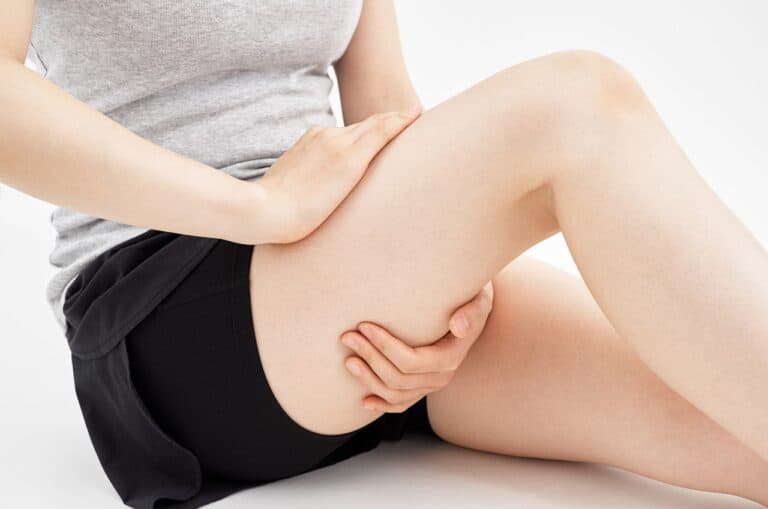
Living with Painful Fat Syndrome or lipedema can disrupt your daily activities and self-confidence in profound ways. Even small tasks may become difficult when pain and swelling do not respond to traditional measures.
At the New York Liposuction Center, we recognize how challenging it feels to manage persistent symptoms and changes in your appearance. If you have tried various conservative treatments with little relief, you may be considering liposuction as a solution. This guide will help you understand what to expect and how this procedure could help improve your quality of life.
Key Takeaways
Understanding Painful Fat Syndrome and Lipedema
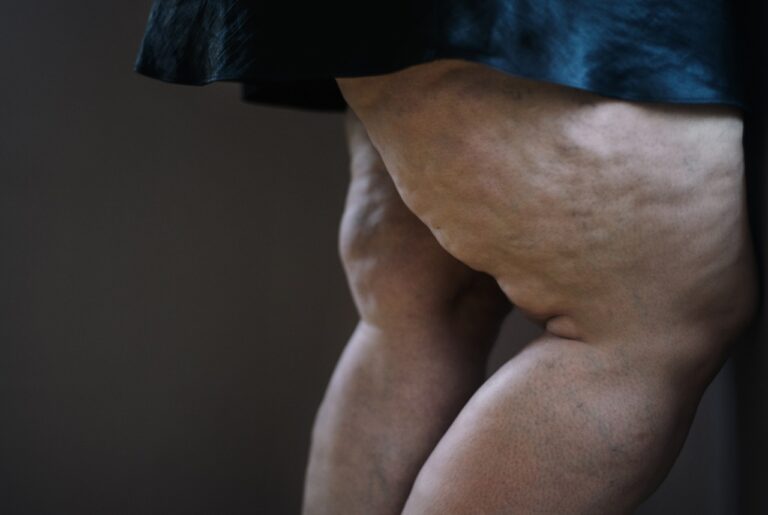
Before considering liposuction, it is important to understand the conditions it treats. Painful Fat Syndrome, commonly known as lipedema, involves abnormal fat accumulation mostly in the hips, thighs, buttocks, and sometimes the arms. This condition almost always affects women, and it often runs in families.
Causes and Symptoms
The true cause of lipedema remains unclear, although hormonal and genetic factors likely play significant roles. Most patients notice the first symptoms during puberty, pregnancy, or menopause.
Classic signs and symptoms include:
- Disproportionate fat deposits on the legs and sometimes arms
- Swelling that does not improve with leg elevation or dieting
- Pain, tenderness, and easy bruising in affected areas
- Skin that feels cool and soft, with a texture sometimes described as “doughy”
- As the condition advances, pockets of fat may develop into nodules or lumps
Painful Fat Syndrome differs from obesity because the fat is resistant to lifestyle changes and involves unique discomfort. Unlike typical weight gain, lipedema fat can cause loss of mobility, secondary lymphedema, and significant mental health impacts.
Diagnostic Process
At our practice, diagnosis starts with a thorough medical history and physical exam. Our surgeon looks for hallmarks such as a sudden line or “step off” where normal fat meets lipedema fat.
We also assess for other causes of swelling, including heart or kidney problems, chronic venous insufficiency, and generalized obesity. Sometimes imaging tests like ultrasound can help rule out alternative conditions or confirm lymphedema if present.
Early and accurate diagnosis plays a critical role in ensuring successful treatment, and our team focuses on distinguishing lipedema from other disorders at the very first visit.
Considering Non-Surgical Treatments First
Liposuction can provide lasting relief, but it is not the first step in managing Painful Fat Syndrome or lipedema. At the New York Liposuction Center, we always begin with conservative measures tailored to your stage and symptoms.
Typical Non-surgical Options to Try First
Several therapy options may help improve swelling, reduce pain, and slow the progression of lipedema. Our surgeon will review these with you before recommending surgery.
- Compression Garments: Wearing medical-grade compression stockings or sleeves can reduce swelling and discomfort by supporting tissue and promoting better lymph flow.
- Manual Lymphatic Drainage: Specialized massage by a trained therapist aims to support drainage of built-up lymphatic fluid from affected areas and can temporarily relieve tenderness.
- Exercise and Movement: Low-impact exercises such as swimming, walking, or cycling help maintain mobility and encourage lymphatic return, though they do not reduce the abnormal fat itself.
- Dietary Approaches: While dieting does not eliminate lipedema fat, optimizing nutrition may support overall well-being and prevent further fat gain in unaffected areas.
Some patients benefit from medication for pain or anxiety. Others realize only mild improvement with these non-surgical approaches, particularly when the disease involves advanced stages.
We typically recommend surgery if you experience persistent pain, functional limitation, or visible deformity despite these first-line interventions.
Who Makes a Good Candidate for Liposuction?
Choosing the right treatment depends on the individual. At our practice, we believe every patient deserves a thoughtful, personalized assessment to determine if liposuction for lipedema is appropriate.
Factors We Consider
Our surgeon bases candidacy for liposuction on several core factors, including:
- The extent and stage of lipedema
- Persistent pain, swelling, or mobility challenges
- Past attempts at conservative therapy, such as compression or lymphatic massage
- Overall health status, including control of other medical conditions
- Realistic expectations and commitment to postoperative care
Age is not usually a barrier to surgery as long as general health is good and the patient can follow post-op instructions. Patients with excessive comorbidities such as heart failure or uncontrolled diabetes may not qualify due to higher anesthesia and healing risks.
Personal Goals and Expectations
When you meet with our surgical team, we discuss your top priorities for symptom relief and improved function. Liposuction helps remove the abnormal fat tissue, but it does not cure lipedema or change your genetic predisposition.
We emphasize realistic outcomes and discuss the possible need for staged or repeat procedures, long-term compression use, and lifestyle changes after surgery. Patients who embrace these principles usually achieve better satisfaction with their results.
Liposuction Techniques for Painful Fat Syndrome and Lipedema
Over the decades, our understanding of lipedema anatomy and pain pathways has guided improvements in surgical technique. The New York Liposuction Center uses specialized approaches specifically designed to maximize benefit and safety for these patients.
Key Surgical Methods Used in Lipedema Liposuction
Here, we will outline the primary types of liposuction used to address Painful Fat Syndrome.
- Tumescent Liposuction: This technique uses large volumes of dilute anesthetic in the subcutaneous fat before removal. The fluid minimizes bleeding, improves fat extraction, and often reduces postoperative pain.
- Water-Assisted Liposuction (WAL): This method utilizes a gentle, pulsating jet of fluid to dislodge fat cells while sparing lymphatic and connective tissue. Reduced trauma translates to smoother recovery and lower risk of lymphatic injury.
- Power-Assisted Liposuction (PAL): Vibrating cannulas allow for more efficient fat removal in dense or fibrous tissue, reducing surgeon fatigue and decreasing procedure time while preserving vital structures.
Most patients with lipedema benefit from a combination approach based on fat distribution and severity. Our surgeon selects the optimal technique for your unique anatomy during preoperative planning.
Special Considerations for Lipedema Patients
Lipedema fat has different structural qualities compared to standard adipose tissue. Our surgical team adjusts technique accordingly to minimize complications and maximize even contouring.
We always prioritize protecting lymphatic vessels during the procedure to reduce the risk of secondary swelling after surgery. For advanced cases with very dense or nodular fat, staged liposuction sessions may be necessary to ensure full removal with minimal side effects.
All of these methods reflect several years of clinical experience and the latest standards in lipedema care as practiced at our center.
Preparing for Liposuction: What to Expect
Once you decide to move forward with liposuction, careful planning ensures the best results. At the New York Liposuction Center, we guide our patients through every step, from preoperative instructions through recovery.
Key Steps in Preparing for Surgery
Preparation typically involves several important actions:
- Medical Evaluation: Our doctor reviews your medical history, medications, and allergies. Blood work and other baseline tests help ensure you are healthy enough for anesthesia and surgery.
- Medication Adjustments: Certain medications, such as blood thinners or supplements, may increase bleeding risk and require adjustment before surgery.
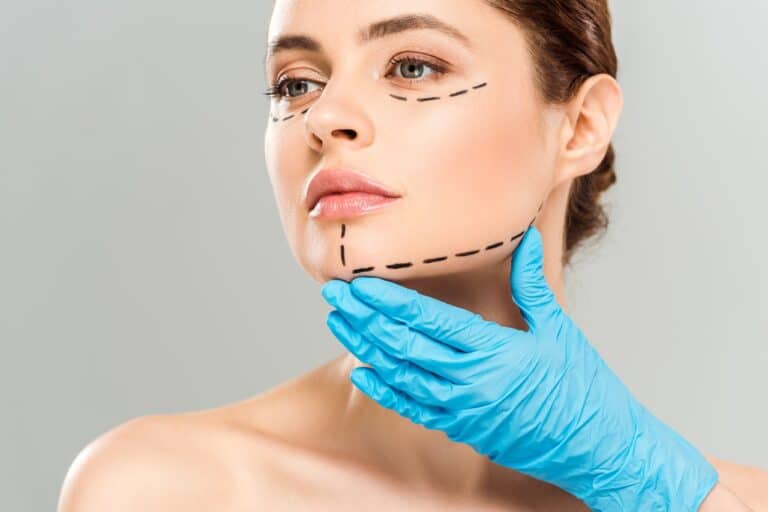
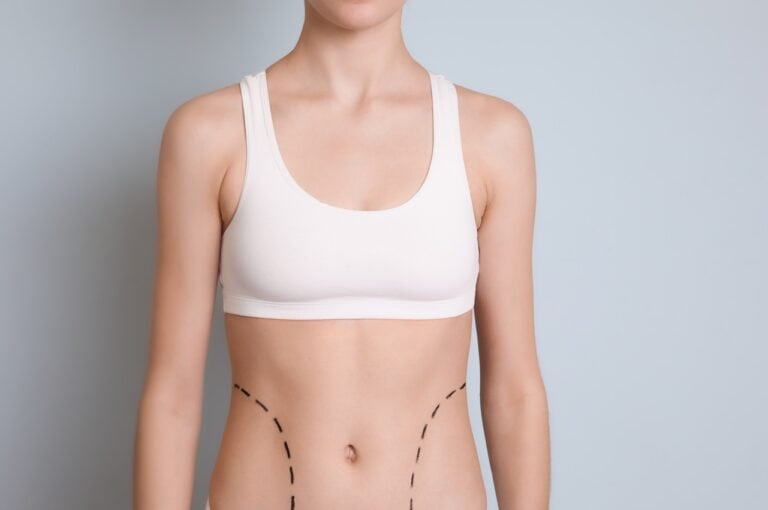
- Preoperative Marking: On the day of surgery, our surgeon marks targeted treatment areas based on careful planning and prior discussion.
- Compression Garments Fitted: Patients receive proper measurements for postoperative compression garments, which will support tissue healing and swelling control.
We provide a detailed instruction booklet to help you prepare both mentally and physically for your procedure date. Open communication with your care team helps ensure smooth, worry-free planning.
What Happens During the Liposuction Procedure?
The liposuction process for Painful Fat Syndrome usually follows a structured and meticulously executed pattern. Each step in the procedure prioritizes both patient safety and long-term function.
Overview of the Surgical Process
For most lipedema cases, the procedure unfolds as follows:
- Anesthesia: Patients typically receive either local anesthesia with sedation or, less commonly, general anesthesia, depending on the scope and number of areas treated.
- Fluid Infiltration: The surgeon injects specialized fluid to numb, expand, and prepare the fat layer for removal.
- Fat Removal: Small incisions provide access for thin cannulas to gently extract the abnormal fat. The surgeon sculpts each area evenly, often working in multiple stages to avoid over-correction.
- Tissue Preservation: Extra care protects lymphatic channels and healthy connective tissues. This approach reduces the risk of lymphedema or surface irregularities.
Procedures may last several hours, depending on the number and size of treated sites. After fat removal, your surgical team places you in compression garments and monitors you in a recovery area before you head home on the same day.
Recovery After Liposuction for Lipedema
Healing after liposuction occurs in stages, and your proactive involvement can help achieve the best outcome. Our team at the New York Liposuction Center helps patients set realistic expectations for the days and weeks after surgery.
A Typical Recovery Timeline
Most patients can walk carefully the same day and return to light activity within a few days. The healing phases commonly progress as follows:
- First Week: Expect swelling, bruising, and mild soreness in treated areas. Wearing compression garments and elevating limbs can help control symptoms.
- Weeks Two to Four: Swelling gradually recedes, though residual soreness and tightness often persist. You can return to desk work and normal daily activities, though heavy exercise remains restricted.
- One to Three Months: Tissues remodel, and your results become more visible. Compression continues up to twelve weeks, and our doctor monitors your progress at follow-up visits.
Some swelling and unevenness usually linger for several months, so patience and adherence to postoperative care are essential for the fullest results.
Tips for a Smooth Healing Process
Successful recovery typically involves these best practices:
- Wear Compression Continuously: Proper garment fit minimizes swelling and essential tissue support during early healing.
- Practice Gentle Movement: Gradual walking and basic stretching help maintain mobility and reduce the risk of blood clots.
- Follow Up Closely: Scheduled visits with our surgeon allow for prompt intervention if you develop unusual symptoms.
- Avoid Smoking: Smoking can impair circulation and delay wound healing.
If you experience increased pain, fever, significant drainage, or sudden swelling, prompt notification to our office ensures early intervention.
Risks and Complications of Lipedema Liposuction
Any surgery carries potential risks, and liposuction for Painful Fat Syndrome is no exception. Our focus is on minimizing these with thorough preparation, precise technique, and careful aftercare.
Common Risks and How We Address Them
We want you to feel informed about possible complications and their signs:
- Bruising and Swelling: These are common in the initial weeks but subside steadily with compression and time.
- Irregular Contour or Lumps: Noticeable skin unevenness can occasionally occur if too much or too little fat is removed in a specific area. Meticulous technique helps avoid this issue.
- Infection: Rare but possible, usually presenting as redness, fever, or new drainage near incision sites.
- Nerve Injury or Numbness: Most numbness improves within months, though rare permanent changes in sensation can happen.
- Damaged Lymphatic Vessels: Injury to lymphatic channels can cause ongoing swelling or even secondary lymphedema, though advanced liposuction methods such as water-assisted liposuction greatly reduce this risk.
We encourage you to share any concerns with our surgical team both before and after your procedure. Early detection of problems ensures the fastest return to health and the best possible results.
How Liposuction Can Transform Life with Painful Fat Syndrome
Undergoing liposuction for lipedema does more than alter body shape. Many patients describe profound improvements in both comfort and function that reach beyond appearance.
Benefits Beyond Fat Removal
Liposuction offers both physical and emotional relief. Most patients experience the following:
- Substantial reduction in pain and heaviness in affected limbs
- Greater ability to perform activities like walking, climbing stairs, or standing for long periods
- Notable drop in the frequency of bruising and tissue tenderness
- Enhanced body confidence and less anxiety about personal appearance
- Decreased episodes of swelling with compressed and balanced tissue volume
Lasting improvement depends on ongoing self-care and candid follow-up with your provider. While new lipedema fat can still accumulate, most patients maintain benefits for years after their liposuction procedure.
Next Step: Expert Help for Lipedema in New York
Painful Fat Syndrome and lipedema can steal comfort, confidence, and mobility. Liposuction guided by skilled hands remains the only truly effective way to remove diseased fat and restore function when other therapies fail. At the New York Liposuction Center, we meet each patient with understanding and a personalized approach designed to achieve the most satisfying outcome.
Now that you understand how liposuction works for lipedema and what the process involves, you can take steps toward reclaiming both comfort and mobility. Our team stands ready to answer your questions, assess your candidacy, and guide you every step of the way. We encourage you to contact the New York Liposuction Center to schedule a private consultation and discover how this procedure may help you move forward with confidence.