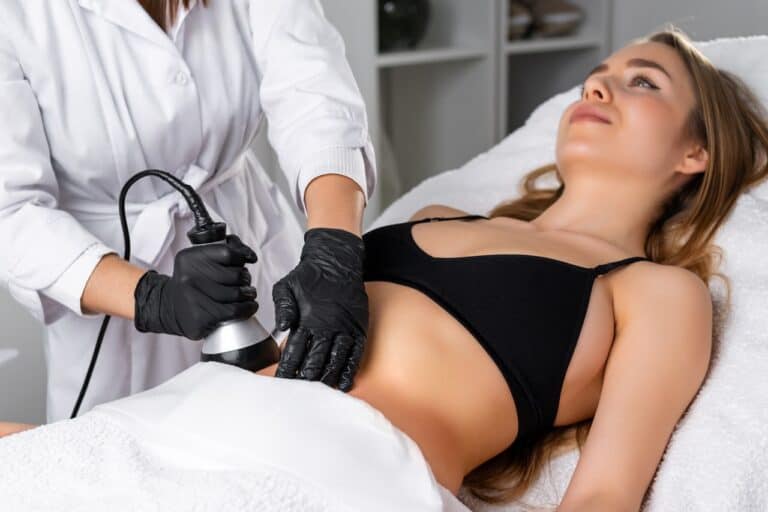
Non-invasive liposuction procedures have revolutionized body contouring by offering fat reduction without surgery, incisions, or significant downtime. These advanced technologies appeal to patients who want to address stubborn fat deposits but aren’t ready for traditional surgical intervention. Understanding how these procedures work, what results you can expect, and which option suits your needs helps you make an informed decision.
The landscape of non-invasive body contouring continues to expand with new technologies and refined techniques. Each method uses different mechanisms to target and eliminate fat cells, from freezing to heating to ultrasound energy. At the New York Liposuction Center, we help patients navigate these options to find the approach that aligns with their goals, lifestyle, and expectations.
Key Takeaways
How Non-Invasive Fat Reduction Works
Non-invasive liposuction procedures destroy or damage fat cells without breaking the skin. Different technologies achieve this through various mechanisms, but the end goal remains the same. Once fat cells are disrupted, your body’s lymphatic system processes and eliminates them naturally over several weeks to months.
The term “non-invasive” distinguishes these treatments from surgical liposuction and even minimally invasive options. No incisions, cannulas, or suction devices are involved. Instead, external applicators or injections work from outside the body or just beneath the skin surface to target fat.
Your body continues eliminating treated fat cells for up to four months after each session. This gradual process creates natural-looking results that develop over time. The destroyed fat cells don’t regenerate, but remaining cells can still enlarge if you gain weight after treatment.
Popular Non-Invasive Technologies in New York
New York City offers access to the latest non-invasive body contouring technologies. From established methods with years of clinical data to newer innovations, patients have numerous options. Understanding how each technology works helps you choose the approach that best fits your needs and concerns.
Cryolipolysis Treatments
Cryolipolysis, commonly known by the brand name CoolSculpting, uses controlled cooling to freeze fat cells. The treatment applies cold temperatures that selectively target fat while leaving surrounding tissue unharmed. Fat cells are more vulnerable to cold than other tissues, which makes this selective destruction possible.
During treatment, an applicator suctions the targeted area between cooling panels. Sessions typically last 35 to 60 minutes per area depending on applicator size. You may feel intense cold and pulling sensations initially, but the area becomes numb within minutes.
Results develop over two to four months and usually reach a 20 to 25 percent decrease after one or two visits. Patients looking for faster or more significant fat removal often explore how CoolSculpting stacks up against liposuction, which can produce more noticeable changes right away.
Laser-Based Fat Reduction
Laser technologies like SculpSure use controlled heat to damage fat cells. The treatment delivers laser energy through the skin to heat fat cells to temperatures that cause their destruction. Surrounding tissues remain protected through integrated cooling mechanisms that keep skin comfortable during treatment.
Sessions typically last 25 to 30 minutes per treatment area. You’ll feel warming sensations that alternate with cooling as the device cycles through its treatment protocol. Most patients tolerate the procedure comfortably without anesthesia used during liposuction or pain medication.
Laser treatments can address multiple areas simultaneously using several applicators. This efficiency makes them appealing for patients who want to treat various zones in a single appointment. Results develop over six to twelve weeks, with most patients achieving noticeable reduction after one to three sessions.
Ultrasound Technology
Ultrasound-based procedures like UltraShape use focused sound waves to mechanically disrupt fat cell membranes. This technology differs from heating or cooling methods by using mechanical energy to destroy fat cells. The targeted approach leaves blood vessels, nerves, and connective tissue unharmed.
Treatments are generally comfortable with minimal sensation beyond the applicator moving across your skin. Sessions last 30 to 60 minutes depending on treatment area size. The lack of extreme temperatures makes this option appealing for patients concerned about discomfort.
Most protocols recommend three treatments spaced two weeks apart. Results become visible around three weeks after your final session, with continued improvement for several more weeks. The mechanical disruption method works well for patients who haven’t responded optimally to thermal-based technologies.
Injectable Fat Reduction
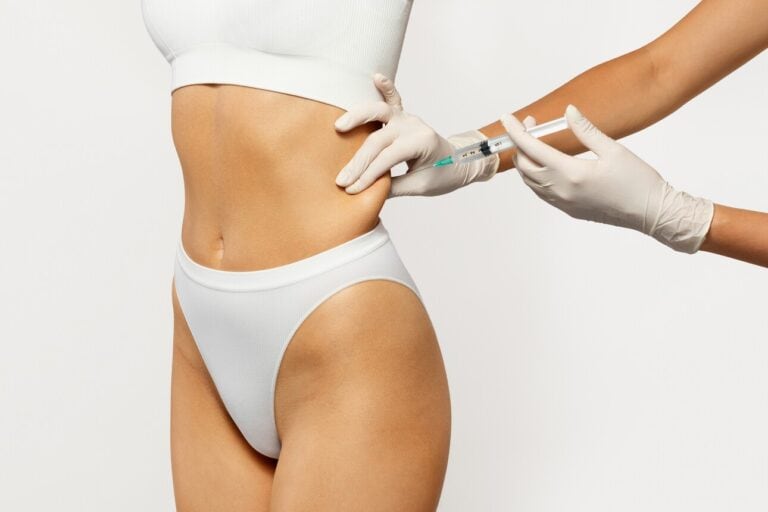
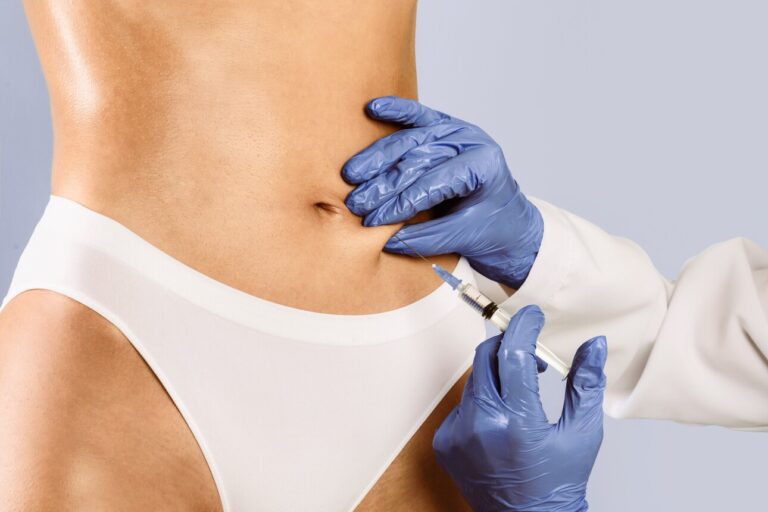
Kybella represents the only FDA-approved injectable treatment for fat reduction. This deoxycholic acid solution destroys fat cell membranes when injected directly into treatment areas. The medication is specifically approved for submental fat under the chin, though some providers use it off-label for small body areas.
Treatment involves multiple small injections across the targeted area. Sessions take about 15 to 20 minutes in the office. You’ll experience swelling, bruising, and tenderness after treatment, which can last one to two weeks.
Most patients need two to six treatment sessions spaced at least one month apart. Results develop gradually as your body processes destroyed fat cells. The swelling during recovery can be significant, particularly after the first session, which may impact your daily activities temporarily.
Understanding Treatment Areas and Limitations
Non-invasive procedures work best on specific body areas with particular characteristics. Not every location is suitable for every technology, and understanding these limitations prevents disappointment. The amount of fat present, skin quality, and area anatomy all influence treatment selection and expected outcomes.
- Common treatment areas: Abdomen, flanks, back fat, inner and outer thighs, upper arms, bra line, beneath the buttocks, and submental fat under the chin respond well to various non-invasive technologies.
- Area-specific considerations: The abdomen and flanks are most commonly treated and have the most clinical data supporting effectiveness, while areas like arms and back may require more sessions for noticeable results.
- Skin quality matters: Patients with good skin elasticity achieve better contouring results because skin can retract smoothly over the reduced fat layer without creating loose or sagging tissue.
- Fat pinch test: Most technologies require at least one inch of pinchable fat in the treatment area, as inadequate fat prevents proper applicator placement or effective energy delivery.
- Not for significant weight loss: Non-invasive procedures are designed for body contouring, not weight loss, and work best for patients within 20 to 30 pounds of their ideal weight.
What to Expect During Treatment
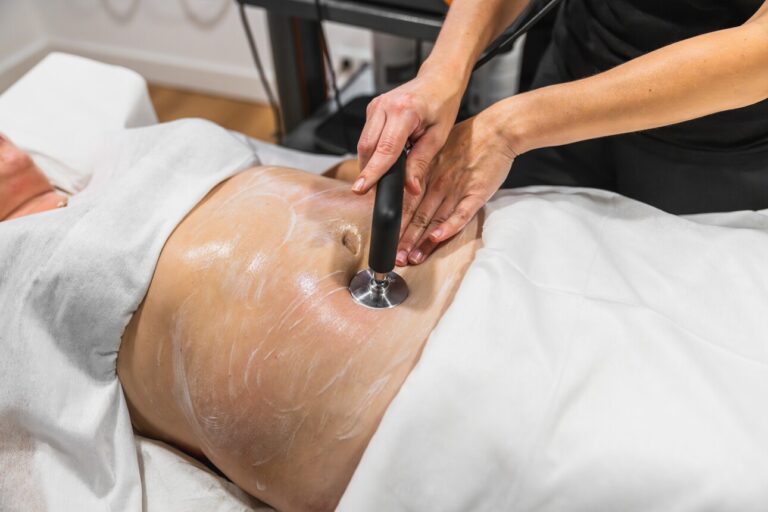
The treatment experience varies depending on which technology you choose. However, all non-invasive procedures share common characteristics that make them appealing alternatives to surgery. Understanding the process helps you prepare mentally and practically for your appointments.
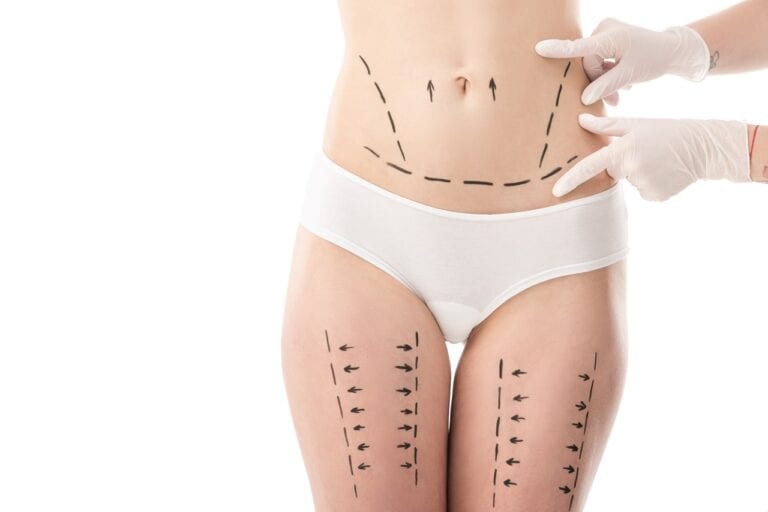
Most treatments begin with marking the target area and taking photographs for comparison. Your provider positions the applicator or prepares injections based on your customized treatment plan. The actual procedure time ranges from 15 to 60 minutes per area depending on the technology.
You’ll remain awake and comfortable throughout treatment. Some technologies allow you to read, work on your phone, or even nap during the procedure. Others require you to remain still or may involve some discomfort that makes distraction difficult.
After treatment, most patients leave the office immediately and resume normal activities. Some redness, swelling, or tenderness in treated areas is normal and typically resolves within a few days. Your provider may recommend massage or specific garments to optimize results, depending on the technology used.
Recovery and Downtime Expectations
One of the primary advantages of non-invasive procedures is minimal disruption to your daily life. Most patients experience little to no downtime, though individual responses vary. Understanding what’s normal helps you plan appropriately and recognize when something requires provider attention.
Immediate After-Effects
Common immediate effects include redness, swelling, and sensitivity in treated areas. These typically resolve within a few hours to several days depending on the technology. Cryolipolysis often causes more visible redness and swelling initially compared to laser or ultrasound methods.
You can typically return to work and normal activities immediately after treatment. However, plan for the possibility of visible swelling or bruising, particularly with injectable treatments. Some patients prefer scheduling treatments before a long weekend to allow recovery time.
Short-Term Side Effects
Temporary numbness, tingling, or altered sensation in treated areas is common with cold-based therapies. These sensations usually resolve within a few weeks as nerves recover from cold exposure. Warmth-based treatments may cause temporary firmness or tenderness that fades within days.
Paradoxical adipose hyperplasia is a rare complication where treated areas actually increase in size. This occurs in less than one percent of cryolipolysis cases and requires surgical intervention to correct. Choosing experienced providers reduces risks of complications.
Long-Term Considerations
Results continue developing for two to four months after your final treatment. During this time, maintain a stable weight through balanced nutrition and regular exercise. Weight gain can cause remaining fat cells to enlarge, which diminishes your results.
Some patients experience mild contour irregularities that smooth out as swelling resolves and results mature. If irregularities persist beyond four months, discuss options with your provider. Touch-up treatments or alternative approaches may address these concerns.
Comparing Results to Traditional Liposuction
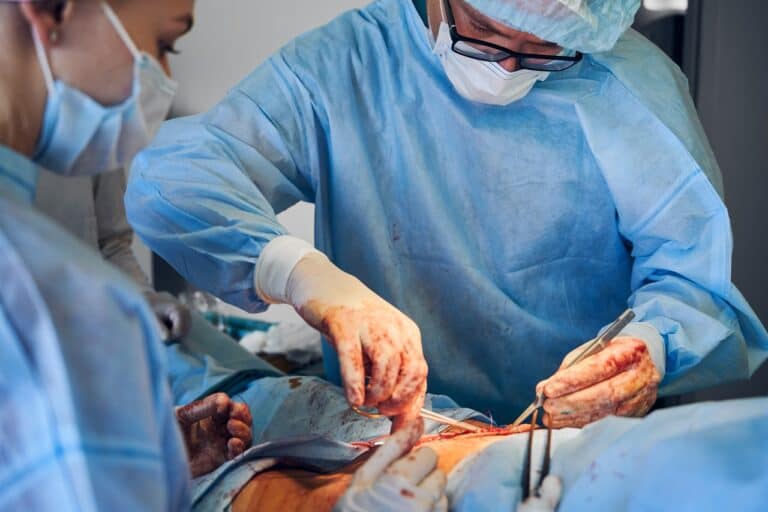
Non-invasive procedures offer different outcomes than surgical liposuction. Understanding these differences between the body contouring methods helps set realistic expectations. While non-invasive options provide genuine fat reduction, they cannot match the dramatic contouring that surgery achieves.
Traditional liposuction removes significantly more fat in a single session. Surgeons can extract several liters of fat, creating immediate and dramatic shape changes. Non-invasive methods typically reduce fat by 20 to 25 percent per treatment area, which translates to more subtle improvements.
The precision and control of surgical liposuction allow detailed sculpting that non-invasive procedures cannot replicate. Surgeons can create defined contours, address fibrous areas, and customize results to your specific anatomy. Non-invasive technologies have predetermined treatment zones that may not perfectly align with your unique concerns.
Results timeline differs substantially between approaches. Liposuction recovery takes weeks and typically shows results within one to three months post-procedure. Non-invasive methods require two to four months after your final session to reveal full results, extending the timeline to six months or more for complete treatment series.
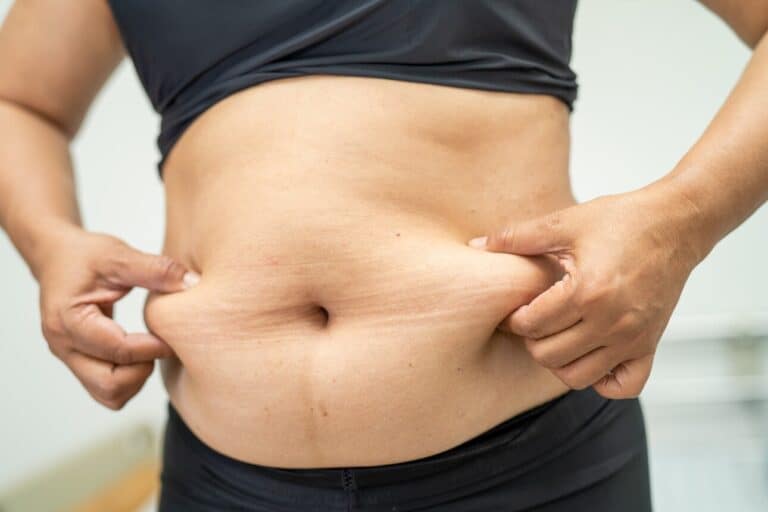
Ideal Candidates for Non-Invasive Procedures
Not everyone qualifies as a good candidate for non-invasive fat reduction. These procedures work best for specific patient profiles and concerns. Understanding whether you fit the ideal candidate criteria prevents disappointment and wasted investment.
The best candidates are within 20 to 30 pounds of their ideal weight with isolated fat deposits. These are patients who maintain healthy lifestyles but struggle with stubborn areas that don’t respond to diet and exercise. Non-invasive procedures address these specific concerns rather than providing overall weight loss.
Good skin quality is essential for optimal results. Your skin needs sufficient elasticity to retract smoothly as fat volume decreases. Patients with loose or sagging skin often experience disappointing outcomes because the remaining skin doesn’t conform to new contours. Patients with sagging skin are better candidates for liposuction and surgical options that include skin removal.
Realistic expectations separate satisfied patients from disappointed ones. Understanding that results are subtle and develop gradually helps you appreciate the improvements. Patients seeking dramatic transformation typically need surgical intervention rather than non-invasive alternatives.
Making Your Decision About Non-Invasive Treatment
Choosing between non-invasive procedures and traditional liposuction depends on your specific situation. Consider your goals, timeline, budget, and tolerance for downtime. Neither approach is universally better, but one may suit your needs more appropriately.
Non-invasive procedures excel for patients wanting subtle improvements without surgery. The convenience of minimal downtime and lower risk profile appeals to many people. However, the gradual results, need for multiple sessions, and subtle outcomes may frustrate patients seeking dramatic change.
Ready to explore whether non-invasive liposuction procedures fit your body contouring goals? Contact the New York Liposuction Center to schedule a consultation with our board-certified surgeon. We’ll evaluate your concerns, explain all available options, and help you choose the approach that delivers the results you’re seeking with the experience you prefer.
Frequently Asked Questions About Non-Invasive Liposuction Procedures
What’s the difference between non-invasive and minimally invasive liposuction?
Non-invasive procedures require no incisions and work from outside the body using external applicators or shallow injections. Minimally invasive procedures like laser-assisted liposuction involve small incisions and insertion of devices under the skin. Non-invasive options have less downtime but provide more modest results than minimally invasive approaches.
How long do non-invasive liposuction results last?
Results are permanent for destroyed fat cells, which your body eliminates and cannot regenerate. However, remaining fat cells can enlarge if you gain weight. Maintaining stable weight through healthy lifestyle habits preserves your results indefinitely. Most patients enjoy lasting improvements when they stay within five pounds of their treatment weight.
Are non-invasive procedures painful?
Most patients describe non-invasive procedures as uncomfortable rather than painful. Cryolipolysis causes intense cold and pulling sensations initially before the area numbs. Laser treatments create warming sensations that alternate with cooling. Injectable treatments like Kybella cause stinging during injection and significant swelling afterward. Most procedures require no anesthesia or pain medication.
How many treatment sessions will I need?
Most patients need two to four sessions per treatment area for optimal results. The exact number depends on the technology used, amount of fat present, your body’s response, and your aesthetic goals. Your provider can estimate session needs during consultation, but individual responses vary and may require adjustment.
Can I treat multiple areas at once?
Yes, many technologies allow treatment of multiple areas in a single appointment. Some laser systems can treat several zones simultaneously using multiple applicators. Cryolipolysis can address different areas sequentially during one visit. Injectable treatments typically focus on one area per session due to swelling concerns and injection limits.
When will I see results from non-invasive liposuction?
Initial results appear around three weeks after treatment, with continued improvement over two to four months. Your body needs time to process and eliminate destroyed fat cells naturally. Full results from a complete treatment series become visible approximately four months after your final session, making the total timeline six months or longer.
Do non-invasive procedures tighten skin?
Some technologies like laser-based treatments provide mild skin tightening through collagen stimulation. However, this effect is modest and cannot address significant skin laxity. Patients with loose or sagging skin typically need surgical procedures that include skin removal, such as a abdominoplasty, rather than non-invasive alternatives.
Are non-invasive procedures safe for everyone?
Most healthy adults qualify as candidates, but certain conditions exclude some patients. Pregnancy, cryoglobulinemia, cold agglutinin disease, and paroxysmal cold hemoglobinuria contraindicate cryolipolysis. Active infections, bleeding disorders, and certain medications may preclude treatment. Your consultation includes medical screening to ensure safety and appropriateness.