When considering cosmetic surgery, it’s natural to focus on the beautiful, confidence-boosting results. At the New York Liposuction Center, we meet many people who are excited to reshape their bodies and feel great in their skin. However, it is equally important to understand the possible risks and side effects of any surgical procedure, including liposuction.
Liposuction is widely performed and often safe when properly planned and managed, but it is still surgery. Awareness about potential complications empowers you to make informed decisions. Let’s look closely at what you need to know about liposuction risks before moving forward.
Key Takeaways
- Liposuction is not risk-free: Every surgical procedure, including liposuction, carries common and rare risks.
- Potential side effects vary: Patients may experience swelling, bruising, numbness, or more serious problems depending on factors like health and technique used.
- Serious complications are rare: Issues such as infection, blood clots, or organ damage can occur but are not common with board-certified surgeons.
- Proper patient selection matters: Ideal candidates are healthy adults without specific medical risks and with realistic expectations.
- Recovery and aftercare are crucial: Following post-operative instructions helps minimize problems and supports proper healing.
- Informed consultation is essential: Ask questions and share your full medical history with your surgical team for personalized care.
- Secondary corrections may be needed: Revisions or touch-ups are sometimes required if results are asymmetric or unexpected side effects develop.
Understanding Liposuction: Overview and Approach
Liposuction is a surgical method for removing localized fat deposits from specific areas of the body. The most common target areas include the abdomen, thighs, buttocks, arms, neck, and chin. This procedure is not a weight-loss solution but rather a contouring technique for stubborn fat that does not respond to diet and exercise.
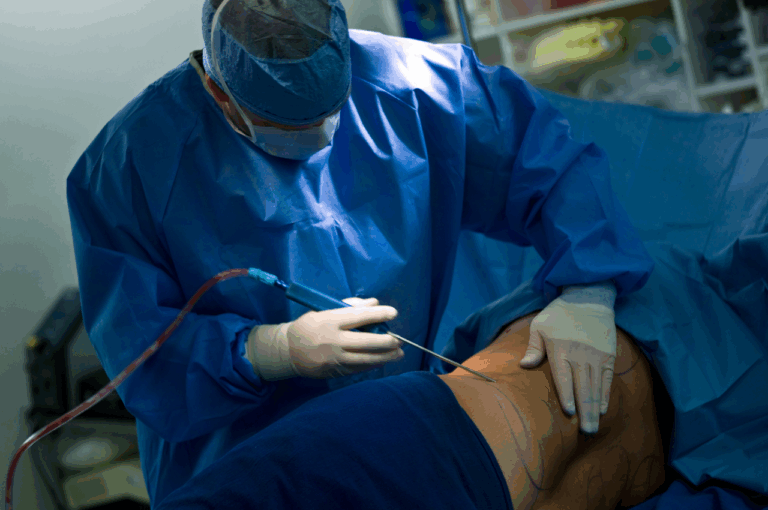
During liposuction, the surgeon inserts a thin tube into the treated area through small incisions. A suction device removes the excess fat. Several variations exist, including tumescent, ultrasound-assisted, and laser-assisted techniques. All approaches carry potential risks that patients should thoroughly understand.
Our surgeons in New York tailor the choice of technique and anesthesia to each patient’s needs. Thorough planning and using modern technology help reduce risk, but no method can eliminate all possible side effects.
Common Short-Term Risks and Side Effects
Most people experience some side effects following liposuction, especially during the first days to weeks after surgery.
Swelling and Bruising
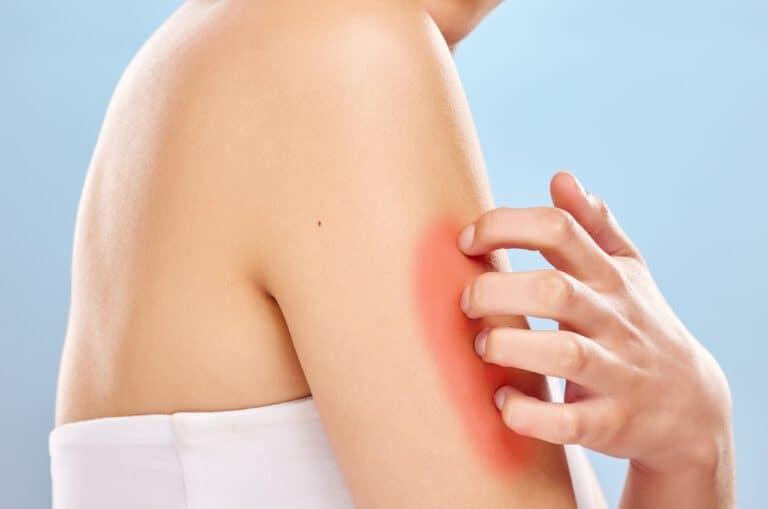
It is normal to see swelling and bruising in the treated areas after liposuction. Swelling may persist for several weeks, while bruising often fades within ten to fourteen days. Wearing compression garments helps to control swelling and encourages smoother results.
Pain or Discomfort
Expect mild to moderate pain or tenderness in the surgical area. Surgeons typically provide medication or suggest over-the-counter pain relievers for comfort. Pain decreases as healing progresses, but some sensitivity may linger for weeks.
Numbness or Changes in Sensation
Temporary numbness can occur because the liposuction process may disturb nerve endings under the skin. In most cases, normal sensation returns gradually over several weeks to months.
Fluid Accumulation (Seroma)
Sometimes, clear fluid collects under the skin, causing swelling or a bubble-like effect. Although often harmless, larger seromas may require drainage with a needle or small tube in the doctor’s office.
Minor Bleeding or Oozing
A small amount of bleeding or fluid drainage from incision sites is expected in the first couple of days. Keep incision sites clean and dry according to aftercare instructions.
Limited Mobility
Because of swelling and discomfort, some people find movement more difficult for a short period. Most patients gradually return to regular activities within one to two weeks with appropriate guidance.
These effects are usually temporary and improve as you heal. Staying in contact with your medical team helps ensure any unexpected symptoms are managed effectively.
Serious Medical Risks: What Could Go Wrong?
While most patients recover smoothly, there are rare but significant risks to be aware of. Understanding these complications is important when making your decision.
Infections
Any surgery can result in infection, but liposuction carries a relatively low risk. Infection may present as redness, warmth, severe pain, discharge, or fever. Untreated infection can sometimes spread or result in abscess formation.
Blood Clots
Occasionally, patients develop blood clots in the legs, called deep vein thrombosis (DVT). If a clot travels to the lungs, it causes a dangerous condition known as pulmonary embolism. Symptoms include chest pain, shortness of breath, or leg swelling.
Fat Embolism
Although very rare, loosened fat cells can sometimes enter the bloodstream and travel to the lungs, brain, or heart. Fat embolism is a medical emergency and requires immediate intervention.
Significant Fluid Loss or Gain
Liposuction changes the fluid balance in the body, sometimes leading to dehydration or a drop in blood pressure. Rarely, fluid overload from intravenous fluids or local anesthesia can also occur, which needs prompt medical care.
Internal Organ or Tissue Damage
Unintended injury to underlying organs, nerves, or muscles may happen, particularly if deep or aggressive suction is used. Organ perforation is rare but can cause severe illness and requires corrective surgery.
Excessive Bleeding (Hemorrhage)
Although minor bleeding is common, significant blood loss is rare. Surgeons take steps to minimize bleeding risk during the procedure.
These risks are uncommon but highlight the need for a skilled surgeon, careful planning, and close post-operative monitoring.

Long-Term or Cosmetic Risks
Even with proper technique and care, some complications may appear over time or affect the aesthetic outcome.
Skin Irregularities
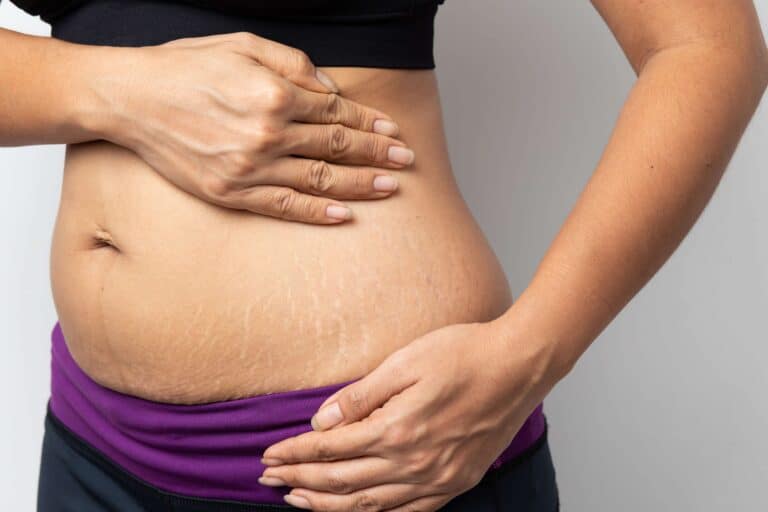
Some patients notice rippling, dimpling, or uneven skin after fat removal. Skin elasticity, healing, and technique all play a role. Minor contour irregularities may improve with time as swelling subsides, but more significant issues may prompt consideration of revision procedures.
Scarring
Liposuction typically involves small incisions, which means minimal scarring. Still, some patients may develop raised, thick, or pigmented scars, particularly if they are prone to keloid or hypertrophic scars.
Asymmetry or Uneven Results
Occasionally, more fat is removed from one side or one area heals differently than another. This can create asymmetry that may require further treatment for optimal results.
Changes in Skin Color or Texture
Rarely, patients experience lasting skin discoloration or prolonged hardness in the treated area. These changes may fade with time or require non-surgical treatments.
Prolonged Numbness or Tingling
A small percentage of patients notice sensation changes that last months or longer. Most patients regain normal feeling within a year, but some experience permanent changes.
While not always medically serious, these risks can affect satisfaction with the procedure. Following up with your surgeon helps address concerns as they arise.
Factors That Increase Risk: What Makes Complications More Likely?
Certain personal characteristics or health conditions can increase the chances of side effects or complications after liposuction. The following list outlines the most significant risk factors and why each matters.
Patients should review these risks during their consultation to determine their individual suitability for surgery.
- Underlying Medical Conditions: Conditions such as heart disease, diabetes, bleeding disorders, or autoimmune diseases can increase surgical risk and complicate healing.
- Smoking and Tobacco Use: Smoking impairs blood flow and reduces the body’s ability to heal, which raises the risk of infection, skin loss, and delayed recovery.
- Obesity or High Body Mass Index: Higher weight increases the difficulty of surgery, raises anesthesia risks, and can affect results. Liposuction is intended for targeted fat removal, not major weight reduction.
- Medications and Supplements: Certain prescriptions, such as blood thinners, anti-inflammatories, or even herbal supplements, raise the risk of bleeding or adverse reactions during surgery.
- Previous Surgeries or Scar Tissue: Multiple prior procedures in the same area may make surgery more technically challenging and increase the risk of irregular results.
- Large-Volume Liposuction: Removing larger volumes of fat in one session is associated with greater risk of fluid imbalance and complications such as blood clots or fat embolism.
Discussing these risk factors openly allows the surgical team to create a customized and safer plan for your body and health profile. Addressing modifiable risk factors, like quitting smoking or optimizing chronic health conditions, can significantly reduce the chances of complications.
How Our Team Minimizes Liposuction Risks
Choosing the right surgical team plays a critical role in how safe and successful your experience will be. At our practice, we take every possible measure to reduce risk and keep our patients healthy throughout the process.
Comprehensive Preoperative Evaluation
We begin with a detailed consultation where we discuss your medical history, medications, past surgeries, and goals. Laboratory tests or additional evaluations ensure you are fit for anesthesia and surgery.
Expert Surgical Technique
Our surgeons use advanced tools and modern techniques to optimize safety and results. Using the correct amount of fluid, gentle fat removal methods, and small incisions help reduce trauma and speed up recovery.
Vigilant Intraoperative Monitoring
During surgery, we closely monitor vital signs, oxygen levels, and fluid balance. This careful observation helps prevent life-threatening complications such as blood clots, excessive bleeding, or reactions to anesthesia.
Personalized Aftercare and Follow-Up
After surgery, you will receive clear instructions tailored to your needs. Follow-up appointments let us check your progress, answer your questions, and address any side effects or concerns quickly.
Patient Education and Support
We encourage all our patients to understand the potential risks, benefits, and alternatives to liposuction. Open communication helps you feel informed and confident in your care decisions.
By following these safety protocols, our practice aims to deliver a positive experience and optimal results for every patient. If you want to see results from real patients, explore our liposuction gallery.
Caring for Yourself After Liposuction: Reducing Your Risk
Your recovery after liposuction is just as important as the procedure itself. Taking the right steps at home will help lower your chances of complications and support your new contours.
Immediate Postoperative Tips
After surgery, rest and gentle movement are key. Arrange for someone to drive you home and help during the first day or two if needed. Keeping your incision sites clean, wearing the recommended compression garments, and avoiding strenuous activity helps your body heal.
Watching for Warning Signs
Monitor for signs of infection, such as increasing redness, pain, drainage, or fever. Seek immediate help if you experience chest pain, shortness of breath, or severe swelling. Report any unusual symptoms to your surgeon promptly.
Maintaining a Healthy Lifestyle
Eat a balanced diet, stay hydrated, and avoid smoking or alcohol during early recovery. Following activity and medication guidelines supports your body’s healing and helps maintain your surgical results.
Returning for regular follow-up visits allows your surgeon to monitor your healing, address minor issues before they become serious, and guarantee you are on track for a safe recovery.

When to Seek Medical Help After Liposuction
While most healing symptoms are expected, it is crucial to know when to reach out to your care team. Certain symptoms require immediate attention to keep you safe.
- Infection: Signs include growing redness, intense pain, pus, foul odor, or high fever.
- Significant Bleeding: Unexpected or uncontrolled bleeding from incision sites should prompt a call or visit to your surgeon.
- Breathing Problems or Chest Pain: These could indicate a blood clot or fat embolism, both urgent medical emergencies.
- Severe Swelling or Coolness in Limbs: These symptoms may be linked to blood clots and should be evaluated without delay.
- Sudden Weakness, Confusion, or Fainting: These signs can signal more serious systemic issues.
When in doubt, contact your surgical office or, if urgent, seek emergency medical care. Early intervention can prevent minor issues from progressing and protects your long-term health.
Questions to Ask Before Scheduling Liposuction
Making an informed decision about surgery means asking the right questions. During your consultation, speak openly with your surgeon and share any concerns you have.
Consider asking about:
- The types of risks and complications most relevant to you
- Your personal risk factors based on health, weight, or lifestyle
- How the doctor handles complications or emergencies should they arise
- What level of scarring and downtime you can realistically expect
- The surgeon’s training and board certifications in performing liposuction
- Options for anesthesia and pain management
- How revision procedures are approached if results are not as expected
No reputable practice will rush you or overlook your questions.
Realistic Expectations: The Role of Candidacy and Mindset
One of the most important aspects of minimizing liposuction risk is understanding what the surgery can and cannot do. Ideal patients are those in generally good health, at a near-target weight, and with firm skin elasticity. You should have realistic expectations about fat removal, recovery time, and the possibility of needing minor touch-ups in the future.
Patients who seek dramatic weight loss or have uncontrolled health problems may not be good candidates for this procedure, if you want to find out if you’re a good candidate, you can explore our liposuction candidates page. Open communication about your goals and concerns ensures you are on the right path toward safe and satisfying results.
Final Thoughts: Safely Considering Liposuction and Next Steps
Liposuction can offer lasting improvements in body shape and confidence when performed responsibly with skilled hands. By learning about risks and possible side effects, you empower yourself to make the best decisions for your body and well-being.
At the New York Liposuction Center, your safety, comfort, and satisfaction are always our top priorities. We are committed to sharing clear information, providing evidence-based care, and supporting you at every step.
If you have questions about liposuction or want to explore your candidacy, we invite you to schedule a consultation. Our team will take the time to answer your concerns, review your health history, and guide you toward the safest, most effective options for your needs. Taking the time to ask questions and plan ahead helps ensure your procedure is a positive experience and your results are both beautiful and safe.