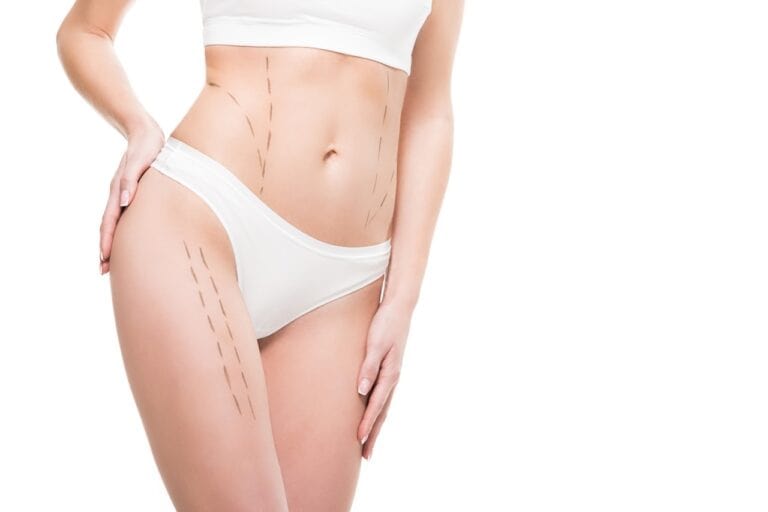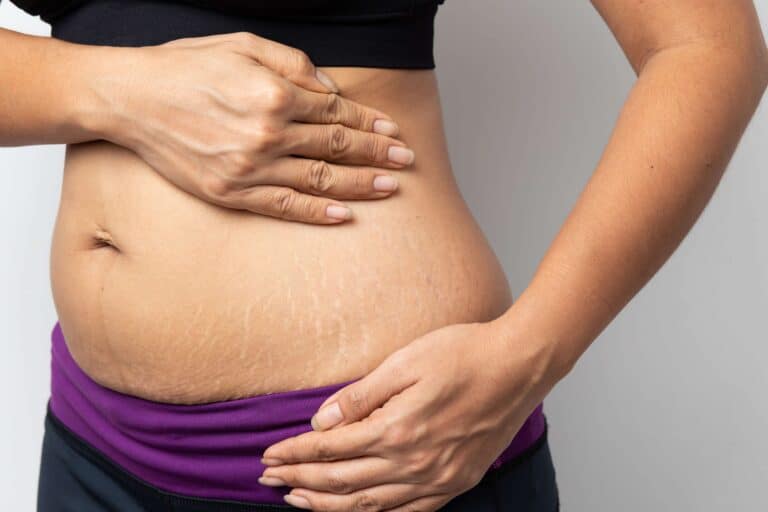
Liposuction can transform the way you look and feel, yet it is important to understand the possible complications before moving forward. At the New York Liposuction Center, our surgeon helps every patient learn about the benefits and risks so that you feel informed and confident.
Careful preparation and communication make liposuction safer, but no surgery is completely risk-free. This guide explains the most common complications after liposuction, along with how our surgical team works with patients to prevent and manage them. You will find detailed explanations, key warning signs, expected recovery steps, and advice on when to call our office.
Key Takeaways
The Most Common Complications After Liposuction
Our surgeon sees many patients recover quickly after liposuction, but several complications can develop afterward. You can manage potential concerns far more confidently once you know what to expect.
Bruising and Swelling
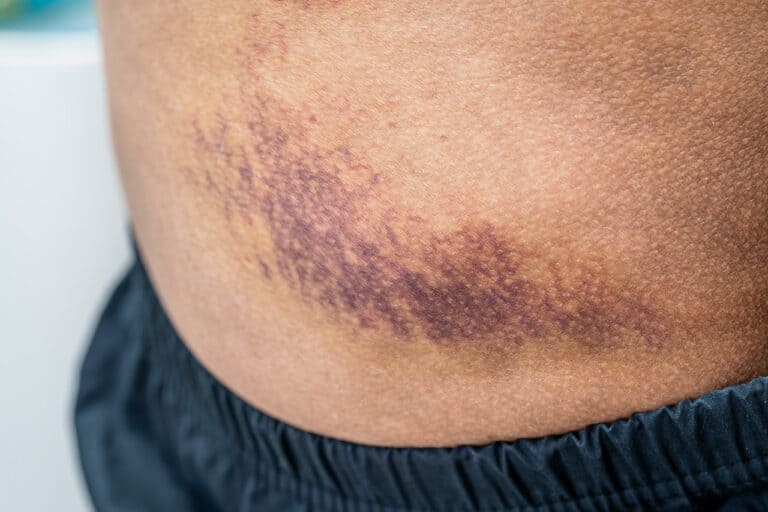
Bruising appears within the first few days and may last for up to two weeks after your liposuction. The treated area often looks darker and may feel sore as your body heals, and the bruising will change color as time passes.
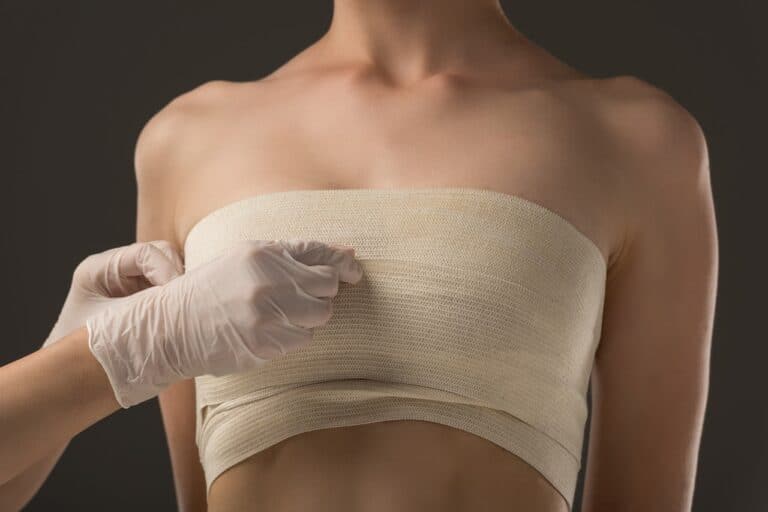
Swelling usually peaks in the first week and gradually subsides over several weeks to months. Compression garments help control swelling and speed up recovery by supporting the treated tissues.
Temporary Numbness or Tingling
Patients sometimes report patches of numb skin or tingling around the area where fat was removed. Nerve endings can get irritated or temporarily stunned during the procedure.
This sensation often improves in the weeks after surgery, and nerves usually return to normal as swelling goes down. Some patients notice tingling as feeling starts to return before the area fully recovers.
Fluid Buildup (Seroma Formation)
Small pockets of clear fluid, called seromas, can form under the skin after liposuction. These seromas usually feel like soft lumps at or near the surgical site.
Most seromas resolve on their own, and our surgeon may recommend monitoring the area. If a seroma feels large or causes discomfort, our surgical team may drain the fluid in the office for relief.
Skin Irregularities and Contour Changes
The body may heal unevenly, which can lead to skin dimples, waves, or slight asymmetry. This is more likely if a large volume of fat was removed or if skin elasticity is lower.
Custom compression garments and early movement help your body mold around the new contours. Occasionally, small touch-up procedures can smooth out these irregularities once healing is complete.
Recognizing Signs of Serious Complications
Our surgeon encourages every patient to know the difference between normal healing and early warning signs of serious problems. Swift attention ensures healthier outcomes.
Serious Complications to Watch For
Patients should stay alert to the following issues after liposuction, which require rapid medical attention. Here is what to monitor:
- Infection: High fever, redness that spreads, growing pain, or pus near an incision can signal infection after liposuction. Early detection often leads to successful treatment with antibiotics.
- Severe bleeding or hematoma: Large or expanding bruising, sudden pain, or rapid swelling may suggest a collection of blood beneath the skin. Our surgical team can quickly manage this at the office or in the hospital.
- Fat embolism: Difficulty breathing, chest pain, confusion, or rash requires immediate emergency care. This complication is rare but can be serious if left untreated.
- Blood clots (deep vein thrombosis): Swollen, painful, or warm legs can indicate a clot in the veins. Moving early after surgery and wearing a compression garment lowers this risk.
- Persistent seromas: If a fluid collection does not resolve or keeps refilling, our surgeon may drain it and monitor for infection.
- Poor wound healing or tissue necrosis: Areas that do not seem to heal, feel hard, or develop black patches should be reported to our office for prompt management.
Quick action in these cases can help limit complications and protect your recovery. Most patients do not experience these problems, but knowing the warning signs is essential for your safety.
Why Complications Happen After Liposuction
Every fat reduction treatment comes with risks, but some factors make complications more likely. You can prepare far better and achieve superior results once you get to the root of these causes.
Surgical Technique and Volume
The skill of the surgeon, the technique used, and the amount of fat removed can all affect your risk of problems. Removing too much fat at once or working on multiple large areas during one procedure heightens the chance for fluid loss and irregularities.
Our surgeon at the New York Liposuction Center uses proven methods that minimize risk and focus on balanced outcomes.
Patient Health and Medical History
Your unique health profile plays an important role in your recovery. Pre-existing health issues such as diabetes, heart problems, or poor immune function, which are common in older liposuction patients, can slow healing or cause complications.
A complete health screening helps our surgical team tailor the procedure for your specific needs and plan for any extra precautions.
Post-Operative Care
After surgery, your actions impact healing and your risk for issues. Failing to follow instructions, skipping medications, or removing compression garments too soon can disrupt the healing process.
Attending your scheduled follow-up visits allows our surgeon to catch problems before they become serious. Good wound care and rest are key as your body adjusts.
Managing Minor Complications After Surgery
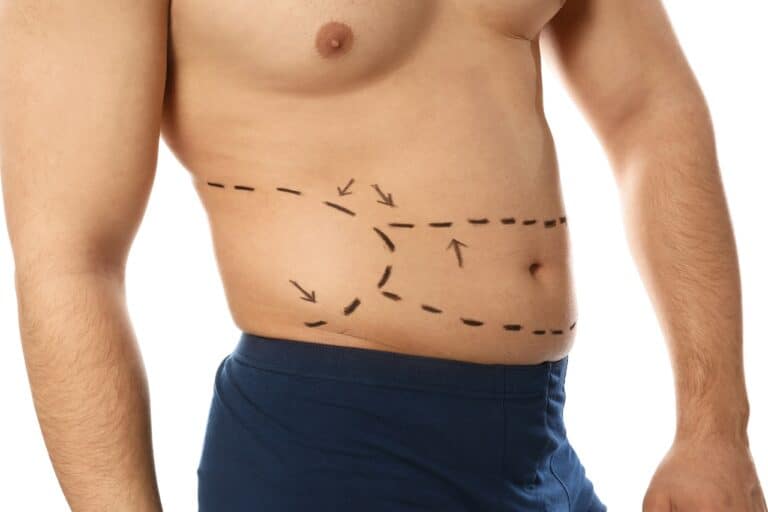
Most mild issues, such as catching a cold and flu after liposuction go away with time. Knowing how to manage symptoms at home and when to ask for help makes recovery smoother.
Self-Care Steps for Bruising, Swelling, and Discomfort
You can take several practical actions to ease common concerns:
- Wear compression garments: Our surgeon will fit you with a compressive binder. This reduces swelling, shapes your results, and prevents fluid buildup.
- Apply gentle cold packs: Use a clean cold pack on bruises or sore spots for 15-20 minutes at a time. Do not apply ice directly to the skin, and take breaks to avoid injury.
- Walk as advised: Gentle movement promotes circulation and helps prevent blood clots. Start light walking as soon as our surgeon gives you the all-clear.
- Elevate when possible: If areas like the legs or abdomen were treated, lying with the area raised above heart level minimizes swelling.
- Take medications as directed: Pain medications and antibiotics should be taken exactly as prescribed by our surgeon.
These basic steps help most patients avoid complications and enjoy a smoother recovery period.
When To Call Our Office
If your bruising worsens, the swelling does not subside, or you develop new or severe pain, contact our team without delay. Quick support ensures the best outcome for your comfort and results.
Rare and Long-Term Complications: What to Know
While uncommon, some rare side effects can appear weeks or months after your procedure. Our surgeon wants you to understand these risks and what can be done about them.
Changes in Skin Texture or Color
Skin over the treated area may develop a slightly different feel or pigment. For example, some patients report patches that appear darker (hyperpigmentation) or lighter (hypopigmentation) than the surrounding skin. Sun protection and time usually help this color return to normal.
In rare instances, the skin may become firmer or feel “thicker” beneath the surface. This is usually related to scar tissue formation, which often softens or improves over several months.
Chronic Numbness or Tingling
Most temporary numbness vanishes within weeks. However, a small number of patients experience persistent numbness or tingling, especially if nerves took longer to heal. Our surgeon may recommend additional exams and therapies if these symptoms do not improve.
Irregular Contours and Asymmetry
Occasionally, healing creates lumps, dents, or uneven contours that do not resolve on their own. Massage, time, or a minor “revision” procedure performed by our surgeon can improve this appearance.
Scarring
Liposuction incisions are small, but scars can form if healing does not proceed normally. Scars may appear raised or discolored at first. Over time, they usually fade. Following aftercare instructions and protecting the area from sun exposure lowers your risk of noticeable scars.
How Our Surgeon Lowers Your Risk of Complications
We take great care at the New York Liposuction Center to reduce the risk of complications for every patient. Several important protocols protect your health before, during, and after surgery.
Steps Our Team Follows for Safe Liposuction
Our commitment to patient safety and excellent outcomes means every step is thoughtfully planned:
- Personalized health screening: Before your procedure, our team reviews your full medical history, current medications, and any allergies. We run bloodwork and necessary tests, then plan the procedure around your unique needs.
- Advanced surgical techniques: Our surgeon uses gentle, modern methods to minimize trauma, reduce bleeding, and avoid nerve injury. Smaller incisions heal more quickly and lower the risk of infection.
- Sterile environment: Our operating rooms meet high standards for cleanliness and infection control. Every staff member follows strict protocols to keep you safe.
- Careful fluid management: We track fluid loss during surgery and use specialized equipment to maintain stable blood pressure and hydration.
- Customized aftercare plan: Our nurse will teach you how to care for your incisions and remind you when to use your compression garments. We schedule follow-up visits to catch problems early and keep your healing on track.
These steps work together to protect both your appearance and your health throughout the liposuction experience.
What to Expect During Recovery
The recovery process after liposuction is different for each patient, but some experiences are common. Our team helps set expectations so you know what is normal and when to ask for help.
Phases of Healing
Right after surgery, swelling and bruising are at their highest. Most patients feel sore and may need mild pain medication for a few days.
Within a week, you will start to notice the area becoming less swollen and more comfortable. Many patients return to work or normal activities as soon as our surgeon approves.
By weeks two through six, your body continues adjusting to its new shape. Compression garments help the skin conform. Some tingling, tightness, or mild numbness may linger, but these usually fade with time.
After two to three months, the majority of swelling is gone. Your final results become more visible, and any minor irregularities often improve as internal swelling resolves.
Tips for a Smoother Recovery
Following these recovery guidelines helps you avoid unnecessary setbacks:
- Attend every scheduled visit: Our team checks your progress during follow-up appointments and answers any questions you may have.
- Rest and fuel your body: Prioritize rest, hydration, and healthy meals to support healing.
- Protect your skin: Use sunscreen and avoid direct sun exposure on treated areas to minimize scarring and pigment changes.
- Do not rush strenuous activity: Ease back into exercise and heavy lifting according to our surgeon’s recommendations.
Every patient’s recovery is unique. By staying in contact with our team at the New York Liposuction Center, you can address any concerns as soon as they arise.
Your Safety and Comfort Remain Our Top Priority
Safe, successful liposuction demands more than a skilled surgical hand. It requires thorough preparation, careful follow-up, and a patient-centered approach. At our New York office, we help every person understand what could happen after surgery and how to react if problems arise.
Recognizing common and rare complications after liposuction helps you feel informed and empowered during your healing journey. Our surgical team always encourages open communication, so you can bring any questions or concerns to your visits.
If you feel ready for a consultation or need help understanding your recovery, reach out to the New York Liposuction Center. With personalized care and expert guidance, you can achieve safer results and the confidence that comes with knowing your health is in good hands.