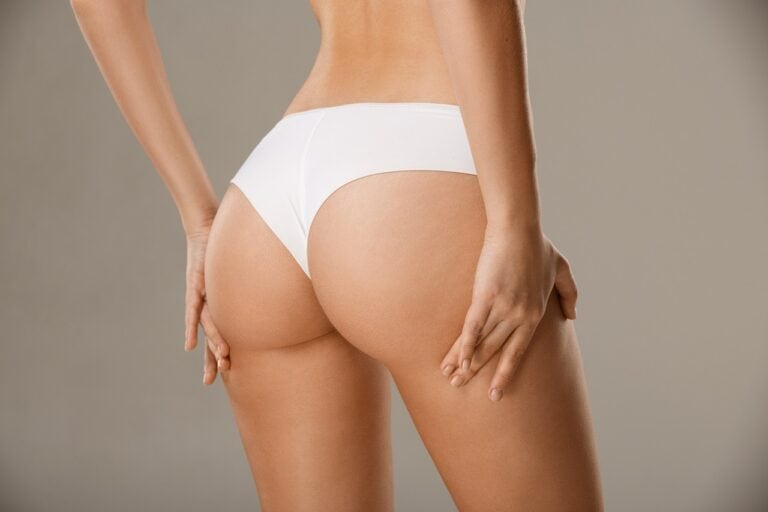
Brazilian butt lift scars are surprisingly small and well-hidden, which often catches people off guard when they first learn about this popular procedure for enhancing curves and begin researching butt lift cost and planning considerations.
The tiny incisions required heal to barely visible dots that blend naturally with your skin over time. When you understand how to care for these marks from day one, you set the foundation for scars that fade beautifully and remain discreet.
Key Takeaways

Understanding BBL Scars
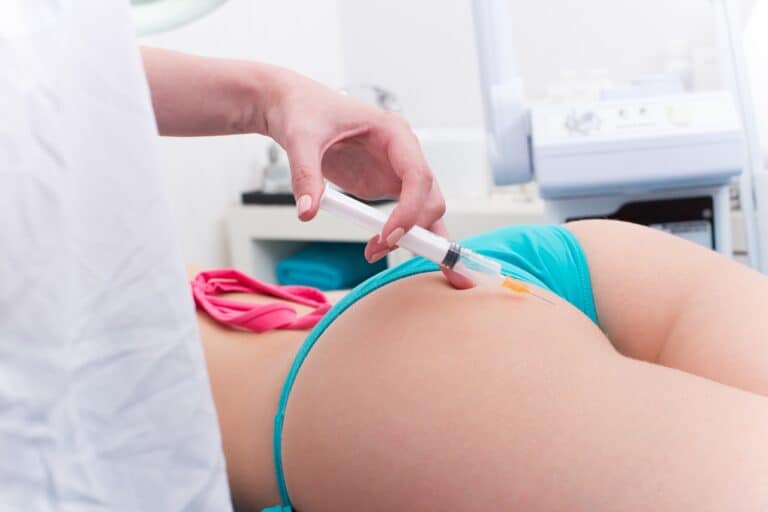
A Brazilian butt lift combines two distinct procedures into one body transformation. The process begins with liposuction to remove fat from areas like your abdomen, flanks, back, or thighs. This harvested fat is then purified and injected into your buttocks to create fuller, rounder contours. Scars form only from the liposuction incisions, not from the fat injection itself.
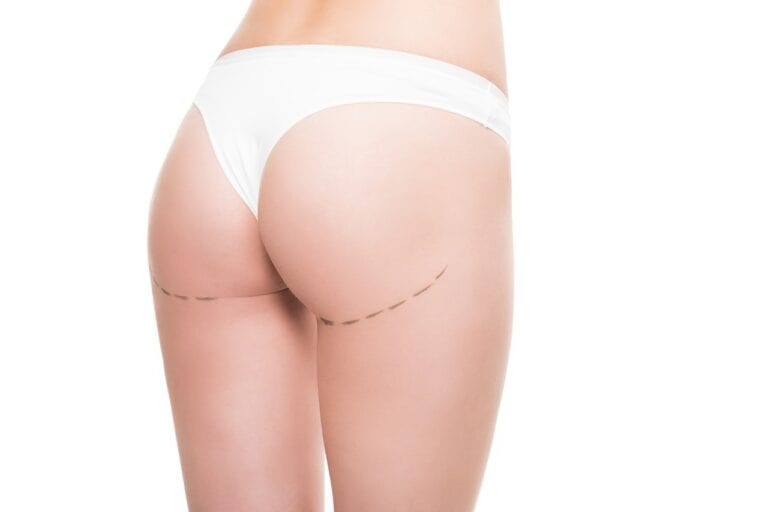
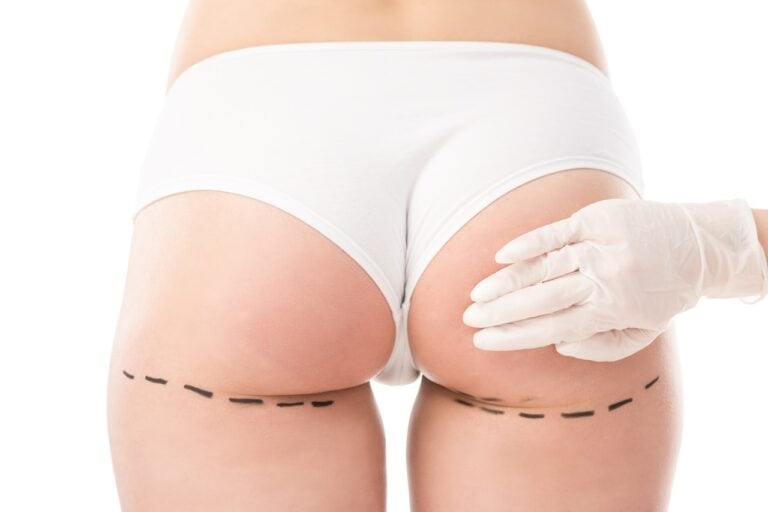
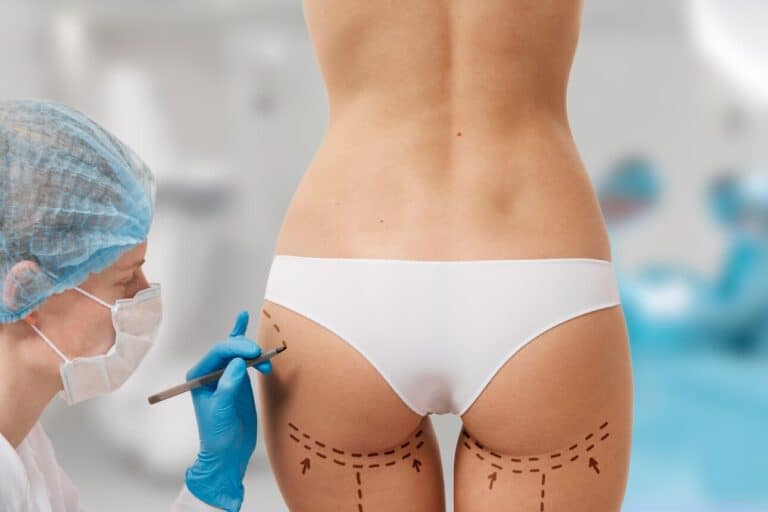
The incisions needed for fat removal are remarkably small. Most measure between 2 and 5 millimeters in length, which is roughly the size of a small dot. Board-certified surgeons use thin cannulas that require minimal entry points. The number of incisions depends on how many areas provide fat for harvesting. Most patients have between 2 and 8 total incisions across all treated areas.
Where Scars Typically Appear
Your surgeon places incisions strategically in locations where they remain inconspicuous. For abdominal liposuction, marks often hide within the belly button or below the bikini line. Hip and flank incisions sit along natural creases where your body bends. Back liposuction typically involves incisions near the bra line or lower back dimples. Thigh incisions tuck into the groin crease or along the inner thigh.
The buttocks themselves receive fat through injection, which leaves no visible scars. The syringe creates such a small puncture that it heals without forming noticeable scar tissue. This is a major advantage of the fat transfer technique compared to gluteal implants, which require larger incisions directly on the buttocks.
The Science Behind Healing
Recent medical research has focused heavily on BBL safety, outcomes, and situations where a BBL revision may be considered. A 2024 study published by the American Board of Cosmetic Surgery examined gluteal fat grafting techniques among surveyed surgeons. The research found that current safety recommendations have significantly improved outcomes. Modern techniques that keep fat injection superficial, above the muscle layer, reduce complications and support better healing.
Another study published in 2023 by the British Association of Aesthetic Plastic Surgeons reviewed gluteal fat grafting safety. The research emphasized that superficial fat placement not only improves safety but also leads to more predictable aesthetic results. The study noted that proper technique, combined with patient adherence to aftercare instructions, results in minimal visible scarring that fades well over time.
The Healing Timeline
Your scars will go through several predictable stages as your body heals. Understanding this progression helps you stay patient and recognize that changes you see are normal parts of buttock fat transfer recovery.
First Two Weeks After Surgery
Your incisions look most prominent immediately after your procedure. The tiny cuts appear red or pink and may feel slightly raised. Some swelling around the incision sites is normal. You might also notice bruising, mild drainage, or tenderness in treated areas. These are all expected responses as your body begins repairing itself.
During this critical early phase, your main focus is keeping incisions clean and protected. Your surgeon will provide specific instructions for washing the areas. Most patients can shower gently within 48 hours but should avoid soaking in bathtubs or pools. The incisions typically close within one to two weeks when properly cared for.
Weeks Two Through Twelve
As healing progresses, you’ll notice positive changes in your scars. They begin to flatten and the redness starts fading to pink. Any scabs that formed fall away naturally to reveal new tissue underneath. This is when gentle scar massage becomes beneficial if your surgeon approves.
The itching many patients experience during this phase actually indicates healthy healing. New collagen is forming and your skin is rebuilding. You can use over-the-counter hydrocortisone cream for relief. Continue wearing your compression garments as directed, which supports proper healing and reduces scar formation.
Six Months to One Year
The most dramatic improvements happen during this extended period. Your scars continue to lighten significantly and flatten further. They gradually blend with your natural skin tone and texture. Most patients find their scars barely noticeable by the six-month mark, with continued improvement up to a year.
This maturation process varies between individuals based on genetics, age, and skin type. However, the trajectory is consistently positive. The tiny dot-like marks that remain are usually white, pale pink, or match your skin color. They typically hide completely under clothing or within natural body contours.
Essential Daily Care Practices
The steps you take during recovery directly impact how your scars heal. These practices are straightforward to follow and make a measurable difference in your final results.
Keep incisions clean: Wash the areas gently with mild soap and water as your surgeon directs. Pat dry with a clean towel rather than rubbing. Clean wounds heal faster and are less likely to develop infections that could worsen scarring.
Wear compression garments: Your surgeon will provide specialized garments to wear over liposuction areas. These apply consistent pressure that helps skin contract to your new contours. The compression also supports incisions as they close and reduces scar tissue formation.
Follow sitting restrictions: Avoid putting direct pressure on your buttocks for the first three to four weeks. This protects the transferred fat cells and allows them to establish blood supply. Use a BBL pillow when you must sit, which distributes weight to your thighs instead.
Protect from sun exposure: UV rays can permanently darken healing scars through hyperpigmentation. Keep incision sites covered with clothing when outdoors. Apply broad-spectrum sunscreen with SPF 30 or higher to any exposed areas. This precaution is especially important during your first year of healing in New York’s varied weather.
Stay hydrated: Drinking plenty of water supports healing from the inside out. Well-hydrated skin maintains better elasticity and recovers more efficiently. Aim for at least eight glasses daily throughout your recovery period.
Proven Scar Treatment Methods
Several treatment options can actively improve how your BBL scars look and feel. These methods work best when combined with the daily care practices above.
Silicone Products
Silicone gel sheets and serums are among the most effective over-the-counter scar treatments available. Silicone creates a protective barrier over healing tissue, which hydrates the scar and helps regulate collagen production. Excessive collagen causes raised, thick scars, so controlling its formation leads to flatter, softer results.
Apply silicone sheets directly over clean, dry scars for several hours each day. For areas where sheets don’t adhere well, silicone serums offer a more convenient option. Use these products consistently for at least two to three months to see optimal improvement in scar appearance.
Gentle Massage Techniques
Once your incisions fully close and your surgeon gives approval, begin gentle scar massage. Use your fingertips to apply light pressure in circular motions for several minutes each day. This technique helps break down dense scar tissue and improves blood flow to healing areas.
The increased circulation delivers more oxygen and nutrients to support continued healing. Many patients also find that massage reduces any tightness or discomfort around healed incisions. The physical manipulation of scar tissue encourages it to remain soft and flat rather than raised.
Professional Treatment Options
If your scars don’t fade as expected with home care alone, several professional treatments can help. Laser therapy uses focused light to smooth raised scars and even out discoloration. The laser stimulates healthy collagen production while breaking down excess scar tissue. Multiple sessions spaced several weeks apart typically deliver the best results.
Microneedling creates controlled micro-injuries in scar tissue using tiny needles. This triggers your body’s healing response and encourages new collagen formation. The treatment improves both texture and color of scars over a series of sessions.
For particularly thick or raised scars, corticosteroid injections can reduce inflammation and flatten the tissue. These must be administered by a healthcare provider. The injections work best when started early in the healing process, before scars become firmly established.
Lifestyle Choices for Better Healing
The way you live during recovery significantly impacts your results. These healthy habits support your body’s natural healing processes.
Eat nutrient-rich foods: Your body needs proper nutrition to heal effectively. Focus on foods high in protein, vitamins, and minerals. Protein provides building blocks for new tissue formation. Vitamin C supports collagen production and protects against oxidative stress. Zinc aids wound healing and immune function. Include lean meats, fish, eggs, colorful vegetables, and fruits in your diet.
Avoid smoking and limit alcohol: Smoking restricts blood flow to your skin, which delays healing and increases scarring risk. The chemicals in cigarettes also interfere with collagen production and fat cell survival. Alcohol can thin your blood and increase bruising and swelling. Both substances should be avoided for several weeks before and after surgery.
Get adequate rest: Your body performs most healing work during sleep. Aim for seven to nine hours of quality sleep each night. This allows your immune system to function optimally and supports tissue repair. Remember to sleep on your stomach or side rather than your back to protect transferred fat.
Manage stress levels: Chronic stress impairs healing by affecting hormone levels and immune function. Practice relaxation techniques like deep breathing, gentle meditation, or light stretching when cleared by your surgeon. Taking time to rest without pressure helps your body heal more effectively.
Special Considerations for New York Patients
Living and recovering in New York City presents unique factors to consider for optimal scar healing. The urban environment requires some adjustments to protect your healing incisions.
Sun exposure remains a concern even in the city. Reflections from buildings, glass, and concrete can increase UV exposure as you move through Manhattan or other boroughs. Always apply sunscreen to healing areas before going outside, even on cloudy days. Keep treated areas covered with clothing when possible during your first several months of healing.
The fast-paced NYC lifestyle can make proper rest challenging. Plan ahead to allow adequate downtime after your procedure. Arrange help with daily tasks if needed so you can focus on healing without rushing back to your normal routine. Consider a standing desk or work-from-home arrangement if you have a desk job, as avoiding sitting pressure is crucial for the first few weeks.
At the New York Liposuction Center, we’re committed to helping you achieve beautiful, natural-looking results from your BBL procedure.
If you’re considering a Brazilian butt lift and want to learn more about what to expect, including butt lift surgery cost factors, we invite you to schedule a consultation. We’ll discuss your goals, answer your questions about scarring and recovery, and create a personalized treatment plan designed for your needs.