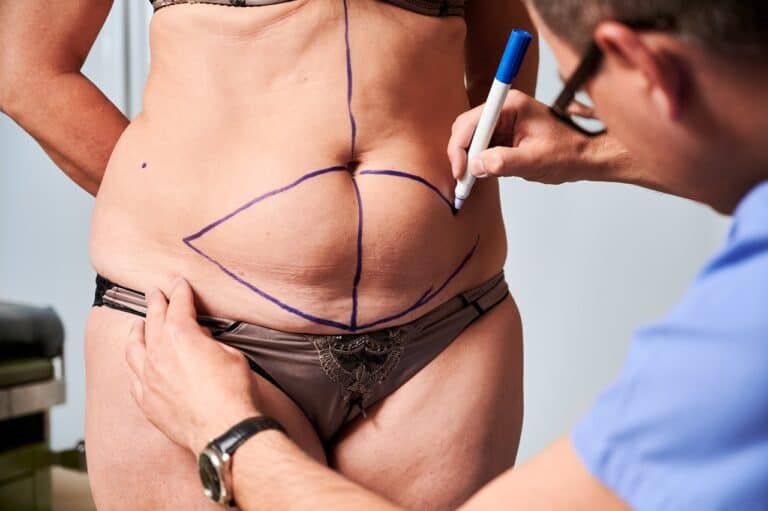
Liposuction offers dramatic body contouring results that many women find transformative. However, if you’re planning to have children in the future, timing your procedure becomes an important consideration. Understanding how pregnancy affects liposuction results helps you make the best decision for your body and your family planning goals.
The relationship between liposuction and pregnancy involves more than just aesthetic outcomes. Your safety, the effectiveness of your results, and the potential need for future procedures such as a mommy makeover all factor into the timing equation. This guide explores everything you need to know about coordinating liposuction with your plans for motherhood.
Key Takeaways
How Pregnancy Affects Liposuction Results
Pregnancy triggers profound changes in your body that can impact previously contoured areas. Weight gain during pregnancy is healthy and necessary, but it affects how your body looks after liposuction. The fat cells removed during liposuction are permanently gone, but the remaining cells can still expand if you gain weight.
Hormonal changes during pregnancy also influence fat distribution. Your body may store fat differently than it did before, potentially affecting areas that weren’t treated with liposuction. Some women notice fat accumulation in new areas, while others see changes in the treated zones. These shifts vary significantly from person to person.
Skin stretching presents another consideration. Areas like the abdomen that stretch considerably during pregnancy may show changes in contour even if the underlying fat hasn’t changed dramatically. The degree of stretching depends on factors like your baby’s size, whether you’re carrying multiples, and your skin’s natural elasticity. Younger women with better skin quality typically see more bounce-back after delivery.

The Ideal Timing for Liposuction
Most plastic surgeons recommend waiting until you’ve finished having children before undergoing liposuction. This timing ensures your results last as long as possible without interference from future pregnancies. The investment in body contouring makes more sense when you can enjoy the outcomes for years without anticipated changes.
That said, life doesn’t always follow a perfect timeline. Some women choose to have liposuction between pregnancies for various personal reasons. If you’re considering this path, understanding the potential outcomes helps you set realistic expectations. Your results may change with subsequent pregnancies, and you might need additional procedures later.
The interval between liposuction and conception matters for your safety. Surgeons typically recommend waiting at least six months after your procedure before trying to conceive. This waiting period allows your body to heal completely and stabilize. Complete healing ensures your pregnancy starts from a place of optimal health.
What Happens to Treated Areas During Pregnancy
The areas you had treated with liposuction will respond to pregnancy differently than untreated areas. Fat cells removed during liposuction don’t regenerate, which means those specific cells are gone permanently. However, the remaining fat cells in treated areas can still enlarge if you gain weight during pregnancy.
Changes in the Abdomen
The abdomen experiences the most dramatic transformation during pregnancy. If you had abdominal liposuction before pregnancy, the skin and underlying tissues will still stretch to accommodate your growing baby. The fat layer may be thinner than it would have been without liposuction, but stretching can still alter the contour you achieved.
Some women maintain relatively good results in their abdominal area after pregnancy. Others notice significant changes that differ from their pre-pregnancy, post-liposuction appearance. Factors like how much weight you gain, your age, and whether this is your first pregnancy all influence the outcome.
Changes in the Thighs and Hips
Thigh and hip liposuction results may fare better through pregnancy than the abdominal areas. These regions don’t stretch as dramatically during pregnancy, so the contour changes tend to be less pronounced. However, pregnancy hormones can cause fat redistribution that affects these areas.
Some women notice their hips widen during pregnancy, which is a natural skeletal change rather than just fat accumulation. This widening is permanent and unrelated to your liposuction results. Any fat gained in the hip and thigh area during pregnancy distributes among the remaining fat cells, which can subtly alter your shape.
Changes in Other Body Areas
Areas like the back, arms, and neck typically maintain their liposuction results well through pregnancy. These regions don’t experience the same degree of stretching or dramatic change that the torso undergoes. Most women find that results in these areas remain relatively stable if they return to their pre-pregnancy weight after delivery.
However, overall weight gain during pregnancy can affect every area of your body. If you gain significantly more than the recommended amount, fat may accumulate in previously treated areas. The distribution depends on your individual body composition and genetic factors.

Safety Considerations for Future Pregnancies
Liposuction doesn’t compromise your ability to have a healthy pregnancy. The procedure removes fat but doesn’t affect your reproductive organs or hormone function. Once you’ve fully recovered from liposuction, your body is capable of supporting a healthy pregnancy just as it was before the procedure.
The waiting period before conception exists to protect your health and optimize outcomes. Six months allows your body to heal completely, your swelling to resolve, and your results to stabilize. Attempting pregnancy before full recovery could compromise your healing and make it harder to assess how pregnancy affects your liposuction outcomes.
Your overall health matters more than the liposuction itself. Maintaining a stable, healthy weight before conception benefits both you and your baby. If you had liposuction as part of a weight loss journey, reaching a stable weight before pregnancy sets you up for better liposuction outcomes. Dramatic weight fluctuations during pregnancy can be harder on your body than gradual, healthy weight gain.
Managing Expectations About Post-Pregnancy Bodies
Understanding what to expect after pregnancy helps you maintain realistic goals. Most women don’t return to their exact pre-pregnancy body, even without liposuction in their history. Pregnancy causes permanent changes to your body composition, skin quality, and shape that are completely normal and healthy.
- Weight retention: Many women retain 5 to 10 pounds above their pre-pregnancy weight, and this is perfectly normal and healthy for most bodies.
- Skin changes: Stretch marks, looser skin, and changes in skin texture are common outcomes of pregnancy that affect your overall appearance beyond just fat distribution.
- Breast changes: Your breasts will change size and shape during pregnancy and breastfeeding, which affects your overall body proportions regardless of liposuction history.
- Muscle separation: Abdominal muscle separation called diastasis recti can occur during pregnancy and affects your core appearance beyond what liposuction addresses.
- New fat distribution patterns: Your body may store fat differently after pregnancy due to hormonal changes, potentially affecting both treated and untreated areas.
Planning for Post-Pregnancy Body Contouring
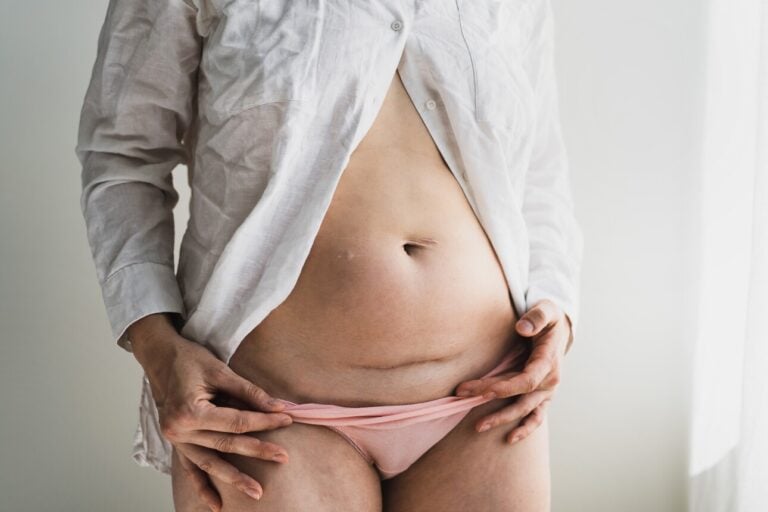
Many women who had liposuction before pregnancy choose to have additional procedures after completing their families. This approach allows you to address any changes that occurred during pregnancy and restore or enhance your contours. Common post-pregnancy procedures include repeat liposuction, tummy tucks, or combination approaches.
The timing for post-pregnancy body contouring matters. Most surgeons recommend waiting at least six months after delivery, or until after you finish breastfeeding, before considering additional procedures. This waiting period allows your body to stabilize and return to a weight you can maintain long-term. Operating before this point may compromise your results.
A mommy makeover combines multiple procedures to address various areas affected by pregnancy. This approach might include breast surgery, tummy tuck, and liposuction in areas where fat has accumulated. Combining procedures can be more cost-effective and requires only one recovery period, making it appealing for busy mothers.
Alternative Approaches to Consider
If you’re planning future pregnancies but want body contouring procedures now, consider less invasive options. Non-surgical fat reduction treatments like CoolSculpting offer modest improvements without the commitment of surgery. These treatments work well for small areas and don’t require the same recovery time as liposuction.
The results from non-surgical treatments are less dramatic than liposuction. However, they provide some improvement while you wait to complete your family. Many women use these treatments as a bridge option, knowing they’ll pursue more aggressive contouring after their last pregnancy. The investment is smaller, and pregnancy won’t impact results as significantly.
Focusing on fitness and nutrition represents another approach. Working with a personal trainer and nutritionist can help you achieve your best possible shape naturally while you’re still planning pregnancies. This foundation of healthy habits also sets you up for better pregnancy outcomes and faster post-pregnancy recovery when you do conceive.
Questions to Discuss With Your Surgeon
Your consultation should address your specific family planning timeline. Be honest about how many more children you hope to have and your approximate timeline. This information helps our surgeon provide guidance tailored to your situation. Some women with firm plans to have just one more child in the near future might receive different advice than those hoping for multiple pregnancies over several years.
Ask about which areas hold up best through pregnancy. Your surgeon can explain which treatment zones are more likely to maintain their results and which might change significantly. This knowledge helps you prioritize if you decide to proceed with liposuction before completing your family. For example, arm liposuction might be a reasonable choice while you’re still planning pregnancies, whereas abdominal liposuction might not be.
Discuss revision procedures and costs. Understanding what touch-up procedures might be necessary after pregnancy helps you plan financially. Some surgeons offer reduced rates for revision procedures, particularly if you had your original surgery with them. Knowing these options upfront prevents surprises later.
Your Path Forward With Body Contouring
Liposuction and pregnancy can coexist in your life journey, but timing significantly impacts your outcomes and satisfaction. Most women achieve the best long-term results by waiting until their families are complete before pursuing body contouring surgery. This patience ensures your investment in liposuction delivers lasting benefits without interference from future pregnancies.
However, individual circumstances vary, and there’s no universally correct answer for every woman. Some situations make sense for proceeding with liposuction despite future pregnancy plans. The key is making an informed decision based on accurate information about how pregnancy might affect your results and what options exist for addressing post-pregnancy changes.
Ready to discuss how liposuction fits into your family planning timeline? Contact the New York Liposuction Center to schedule a consultation with our board-certified surgeon. We’ll evaluate your individual situation, discuss your goals and timeline, and help you make the decision that’s right for your body and your future.
Frequently Asked Questions About Liposuction and Future Pregnancy
Can I get pregnant after having liposuction?
Yes, liposuction doesn’t affect your fertility or ability to have a healthy pregnancy. The procedure removes fat cells but doesn’t impact your reproductive organs or hormone function. Most surgeons recommend waiting at least six months after liposuction before trying to conceive to allow complete healing.
Will pregnancy ruin my liposuction results?
Pregnancy may change your liposuction results, but it won’t necessarily ruin them. The extent of change depends on how much weight you gain, which areas were treated, your skin quality, and how your body responds to pregnancy. Some women maintain excellent results, while others notice significant changes requiring touch-up procedures.
How long should I wait after liposuction to get pregnant?
Wait at least six months after liposuction before trying to conceive. This timeframe allows your body to heal completely, swelling to resolve, and results to stabilize. Complete healing before pregnancy protects your health and gives you the best foundation for a healthy pregnancy.
What happens to removed fat cells during pregnancy?
Fat cells removed during liposuction are permanently gone and don’t regenerate. However, remaining fat cells in treated areas can still expand if you gain weight during pregnancy. Your body distributes pregnancy weight gain among all remaining fat cells throughout your body, including treated areas.
Should I wait until after all my pregnancies to get liposuction?
Most surgeons recommend waiting until you’ve completed your family before having liposuction. This timing ensures the longest-lasting results without interference from future pregnancies. However, some women choose to proceed earlier for personal reasons, understanding they may need revision liposuction procedures later.
Can I have liposuction between pregnancies?
Yes, you can have liposuction between pregnancies, but understand that future pregnancies may alter your results. Wait at least six months after delivery and until after breastfeeding before having the procedure. Then wait another six months after liposuction before conceiving again to allow proper healing.
Will I need revision liposuction after pregnancy?
Some women need revision procedures after pregnancy, while others maintain their results well. The need for liposuction revision depends on pregnancy weight gain, which areas were treated, your skin quality, and how your body changed during pregnancy. Many women opt for touch-up procedures or mommy makeovers after completing their families.
Does liposuction make pregnancy more dangerous?
No, liposuction doesn’t increase pregnancy risks. Once you’ve fully healed from the procedure, your body can support a healthy pregnancy normally. The key is waiting for complete recovery before conceiving, which typically takes six months, to ensure your body is in optimal condition.