At the New York Liposuction Center, many patients want to know how to make the most of their liposuction recovery. Our team often explains that recovery does not rely on rest alone. Certain techniques, like lymphatic massage, can play a supporting role in helping your body heal and shaping your final results.
If you recently had liposuction, or you are planning for this popular procedure, you might wonder how lymphatic massage fits into the healing process. The truth is that this gentle touch therapy can address specific concerns, and it offers several well-recognized benefits for liposuction patients. Let us explain how it works, what it does, and why our surgeon sometimes recommends it as part of aftercare.
Key Takeaways
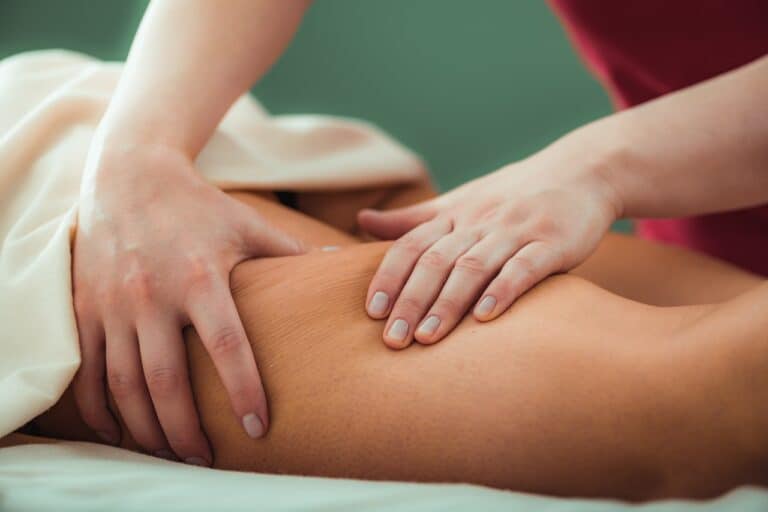
How Your Lymphatic System Works After Liposuction
What Happens to the Body After Liposuction?
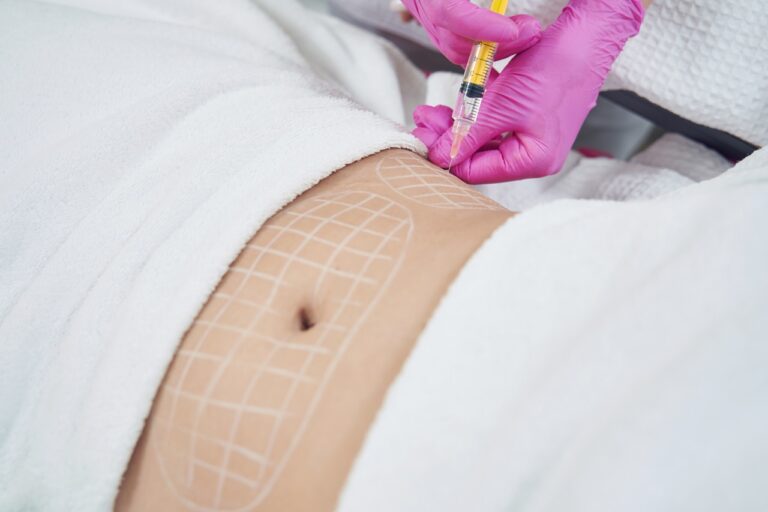
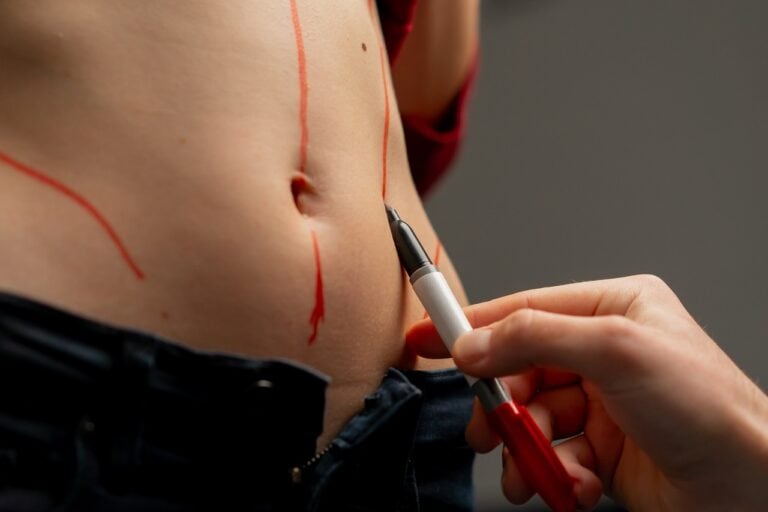
Liposuction involves making small incisions and removing fat deposits from targeted areas using a thin tube called a cannula. This process disrupts the normal flow of fluid, creating channels under the skin that can fill with lymphatic fluid. Swelling, firmness, and tightness in the treated areas are common during the first days and weeks after your surgery.
The body’s lymphatic system normally moves lymph fluid away from tissues and transports waste and immune cells. When the system faces stress or damage, such as after liposuction, lymph flow can slow. Temporary blockages or buildup can develop, which leads to prolonged swelling and discomfort.
Why Swelling Occurs and How It Impacts Recovery
Swelling follows almost every liposuction procedure. The reasons include:
- Surgical manipulation of the area, which triggers the body’s natural response.
- Trauma to tiny lymphatic vessels, which causes fluid to collect under the skin.
- Displaced tissue and changes under the skin, which make it harder for normal drainage to resume right away.
Prolonged swelling does more than slow cosmetic results. This condition can sometimes contribute to unevenness, firmness, or even mild discomfort during routine movement. For many patients, reducing swelling early leads to a smoother and more satisfying recovery experience.
The Purpose of Lymphatic Massage After Liposuction
Lymphatic massage, sometimes called manual lymphatic drainage (MLD), is a focused technique that uses gentle, rhythmic movement of the skin. The purpose of this approach is to encourage lymph fluid to move out of the surgical area and follow natural drainage pathways, speeding up resolution of swelling.
How Lymphatic Massage Works
Lymphatic massage uses hands and fingers to move skin in prescribed, light, circular movements. Unlike deep-tissue techniques, the pressure should remain extremely light. The goal is to stretch and stimulate the superficial layer of skin, where most lymphatic vessels are located, instead of working deep into muscle tissue.
By moving the skin in a certain direction, the massage helps collect pooled fluid and direct it toward lymph nodes, which can then handle the extra fluid as your body heals. Most protocols use a defined pattern and sequence based on anatomy and your unique treatment plan.
Why Our Surgeon May Recommend Lymphatic Massage
Our surgeon often recommends lymphatic massage to speed up recovery and support optimal results after liposuction. Patients who benefit the most are those with moderate to significant swelling, tightness, or mild fluid collections. Some people also experience uncomfortable pressure in the treated areas, and gentle massage offers relief.
Lymphatic massage can also help soften tissues, reduce the risk of long-term firmness, and support better skin contraction. A personalized recommendation from your surgical team is key to deciding when, how often, and where to focus this treatment.
Benefits of Lymphatic Massage for Recovery
Lymphatic massage can improve your recovery experience and influence your cosmetic results. Our doctor has seen improvements in many key areas when patients undergo this treatment after surgery.
Major Benefits of Lymphatic Massage
- Decreased Swelling: Light, repetitive motion moves excess fluid out of the area, which helps swelling resolve more quickly.
- Softer Tissue Texture: Massage improves softness and prevents a “woody” or hardened feeling under the skin.
- Reduced Pain and Tenderness: Patients often notice a reduction in tightness, pressure, and discomfort.
- Smoother Contours and More Even Results: Gentle movement addresses uneven pockets and supports even healing.
- Faster Return to Normal Activities: Reduced swelling and stiffness mean improved range of motion and confidence to move around.
- Improved Scar Appearance: Some techniques can soften early liposuction scar tissue for a flatter and more natural result.
While every individual heals at a different rate, most patients who receive lymphatic massage report a greater sense of comfort and satisfaction throughout their healing process.
When Results Become Noticeable
Most people start to feel improvements in swelling and comfort after just two to three sessions of lymphatic massage. Noticeable changes with skin softness and contour often follow within the first two weeks. Commitment to a consistent massage schedule can maximize these benefits and support your final results.
When to Begin Lymphatic Massage After Liposuction
Timing is critical when incorporating lymphatic massage. Starting too soon or with the wrong technique could disrupt healing or increase risk. At our New York office, our surgical team carefully evaluates each patient’s readiness for massage.
Typical Timing for First Massage
Our doctor may recommend starting treatment about five to seven days after liposuction. By this point, most of the initial surgical trauma has begun to settle, and your incisions are well on their way to healing. Early intervention helps prevent the development of fluid pockets and supports skin retraction.
For more extensive liposuction, your surgeon may suggest waiting slightly longer. The best time ultimately depends on your healing, incision status, and any signs of infection or abnormal drainage.
Frequency and Duration
Most patients benefit from two to three massage sessions per week during the early recovery phase. A single session typically lasts between 45 and 60 minutes. Ongoing treatment for two to four weeks can yield the best results, but our team personalizes recommendations for each patient.
If you have any post-surgical concerns, always check in with our office before starting massage or other therapies.
What to Expect During a Lymphatic Massage Session
Lymphatic massage after liposuction should always be performed by a medically trained and certified professional. There are several important aspects to know about the process.
Preparation and Initial Evaluation
Before your first session, your therapist will ask about your surgery, recovery, and any symptoms you are experiencing. This helps tailor the massage to your needs. You should wear comfortable, loose-fitting clothes, and the therapist may ask you to partially undress, depending on the area treated.
The Technique in Practice
The massage starts with gentle brushing and circular movements near the lymph nodes closest to the area treated by liposuction. The therapist uses very light pressure, working in the direction of lymphatic flow rather than pressing deep into tissue. This approach targets lymph vessels that sit just under the skin.
The session feels relaxing rather than painful, and patients often describe a sensation of fluid movement or mild release of pressure. The therapist repeats the sequence several times, sometimes changing the direction based on swelling or tightness in different areas.
Safety and Comfort
Lymphatic massage should never feel harsh or aggressive. Our trained providers know to avoid direct contact with incision sites until they are fully healed, and they monitor for any signs of infection or complications during each session.
If anything feels uncomfortable or unusual during your massage, mention it right away. Open communication ensures your safety throughout the treatment.
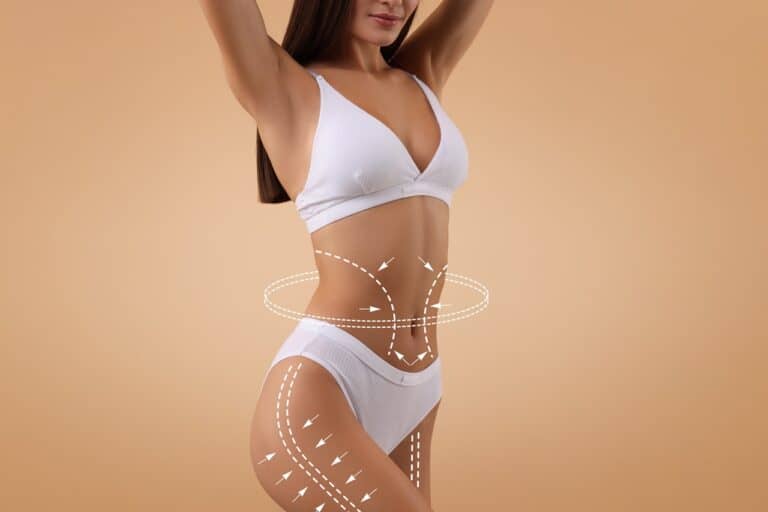
Who Benefits Most From Lymphatic Massage?
Not every patient needs lymphatic massage after liposuction, but many can benefit, especially those experiencing specific symptoms. Determining who a candidate is depends on your medical history and your progress in recovery.
Ideal Candidates
Below is a list of characteristics that help our surgeon decide whether to recommend lymphatic massage:
- Persistent Swelling: If swelling lasts longer than expected despite using compression garments, massage can target lingering fluid.
- Mild Lumps or Bumps: Patients with small, uneven, or firm spots often see improvement through lymphatic drainage.
- Discomfort Limiting Movement: When tenderness or fullness interferes with daily activities, massage may provide relief.
- Large Volume Liposuction: Bigger procedures disrupt more tissue and lymphatic pathways, which increases the risk of fluid retention.
- Previous Issues With Scarring or Fibrosis: If you experienced firm, thickened scars after past procedures, early intervention helps mitigate this risk.
Many patients recover well without additional help beyond compression and routine care. Our doctor helps decide if lymphatic massage is right for your situation and works with certified providers to ensure safe, effective therapy.
Situations When Massage Should Be Avoided
Certain conditions make lymphatic massage unsafe early in your recovery. We do not recommend this treatment if you have:
- Any open, unhealed incisions
- Signs of infection (including redness, fever, or new pain)
- Active drainage from your liposuction site
- Certain blood clotting disorders
Always discuss your health history and healing progress with our team before adding any post-surgical treatments.
Potential Risks and Limitations of Lymphatic Massage
While lymphatic massage remains safe for most liposuction patients, all procedures carry some risk. Patients should understand what to expect as well as what massage cannot accomplish.
A Clear View of the Limitations
Lymphatic massage helps manage expected swelling following liposuction, but it does not treat deep infections, prevent all complications, or fix major contour irregularities. It should never substitute for proper wound care or the follow-up visits that our surgeon schedules after your procedure.
Recognizing Possible Risks
The main risks of lymphatic massage involve improper timing, poor technique, or working with an unqualified provider. These include:
- Increased bruising or bleeding if performed too soon after surgery
- Irritation of incisions or opening of healing wounds
- Worsening or spreading of an infection if present in the treated area
- Rare allergic reactions to lotions or oils used during massage
For this reason, our team only recommends licensed professionals who have special training in post-liposuction massage. Always report new symptoms like fever, worsening redness, or sudden severe pain to our office immediately.
Steps to Enhance Recovery With Lymphatic Massage
Recovery after liposuction blends active therapy, rest, and ongoing care. Lymphatic massage can work best within a broader aftercare plan.
Tips for Incorporating Lymphatic Massage
- Follow your surgeon’s timeline: Only start massage when cleared by your medical team.
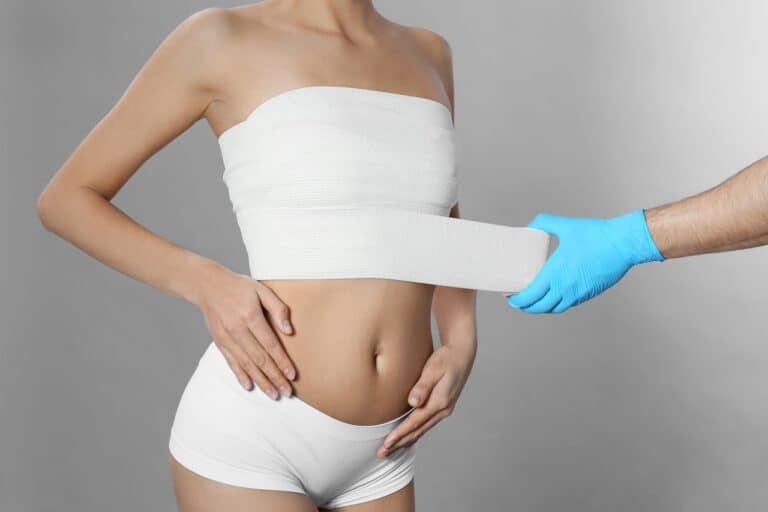
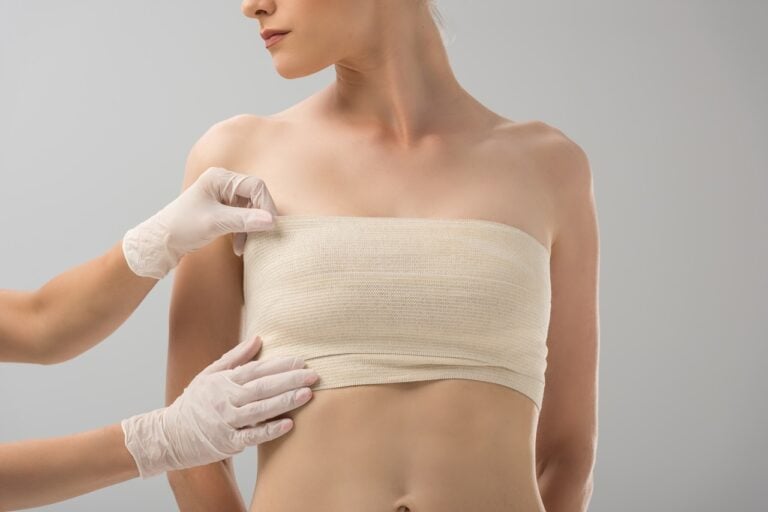
- Maintain daily compression: Wear any provided garments as instructed to help reduce swelling between sessions.
- Hydrate well each day: Drinking enough water supports normal lymph flow and prevents dehydration.
- Move gently but often: Light movement encourages natural drainage and speeds up your return to normal activities and work after liposuction.
- Talk to your massage therapist: Update the therapist on your symptoms and healing after every session so they can adjust the approach if needed.
Combining these steps can lead to a smoother recovery and a more satisfying liposuction outcome.
Lymphatic Massage: Professional vs. Self-Massage
Some patients ask if they can perform lymphatic massage at home. While at-home techniques do exist, our surgical team always recommends starting with a qualified professional.
Why Choose a Trained Provider?
Professional providers have special training in anatomy, sterile technique, and post-surgical safety. They recognize early signs of complications, and they adjust their technique to support healing rather than disrupt it.
Self-massage may seem appealing, but performing it incorrectly can worsen swelling, irritate tissues, or risk harming incisions. Our team can review safe options as your body heals and may offer instruction for light home care between professional sessions, if appropriate.
Patient Education to Enhance Liposuction Results
Education is one of the most important factors in achieving the best outcome after cosmetic surgery. At our practice, we focus on teaching patients how, when, and why to use different recovery tools, including lymphatic massage.
When you know what to expect, which symptoms are normal, and when to seek guidance, you are more likely to enjoy a smooth recovery. Our surgeon and staff provide clear instructions, answer questions, and adjust your aftercare plan for your needs.
Planning Your Recovery
Prior to your liposuction procedure, it helps to ask questions about your recovery and massage. At your consultation, you may want to discuss:
- Whether lymphatic massage is recommended for your specific treatment area or body type
- How soon after surgery your surgeon suggests beginning massage sessions
- How to find a certified lymphatic massage provider in your area
- What symptoms to watch for that may signal a problem or require medical attention
- How massage fits into your overall aftercare and follow-up schedule
Open communication with our surgeon prevents confusion, helps you plan ahead, and supports the safest outcome.
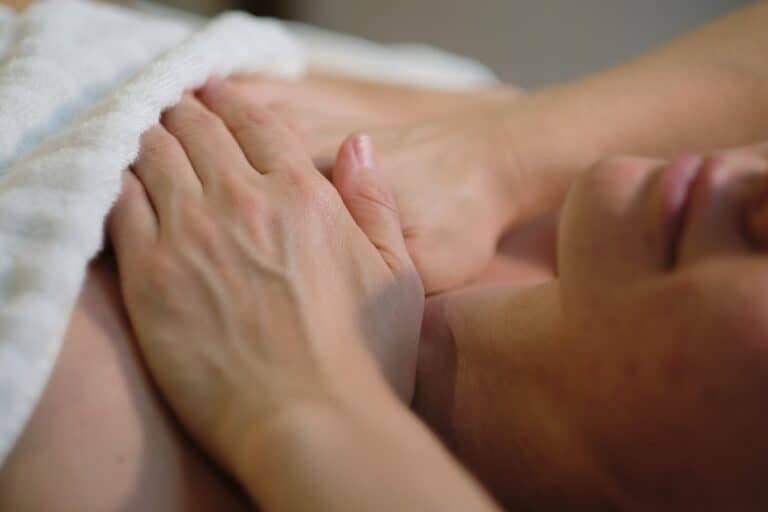
Supporting Your Healing Journey
Lymphatic massage plays a clear role in many patients’ liposuction recovery, offering relief from swelling, easing discomfort, and helping to refine the final look. At the New York Liposuction Center, our team can guide you toward the best care decisions for your goals and comfort.
As you plan your recovery, remember that hands-on therapies like massage support but do not replace medical follow-up. Stay connected with our practice, attend all appointments, and never hesitate to reach out if you have questions about healing or aftercare.
If you are considering liposuction or learning how to optimize your healing process, we invite you to contact our office for a personal consultation. Our surgeon can help you design an aftercare plan, answer all your questions, and support you every step of the way as you achieve your goals.