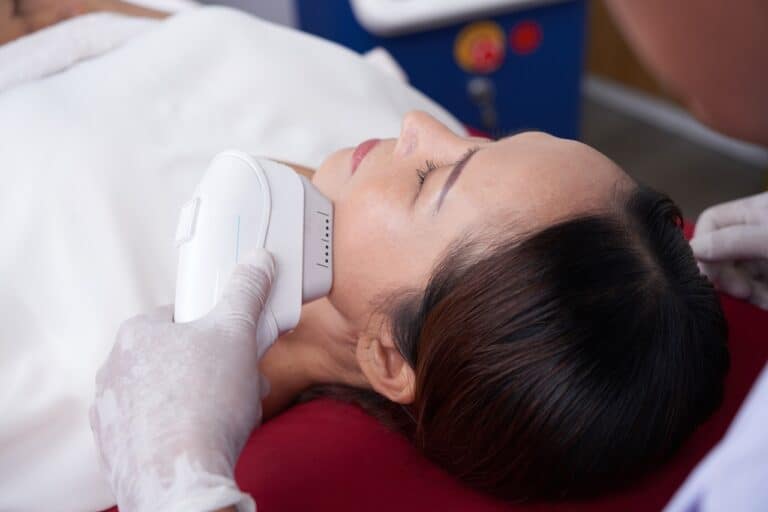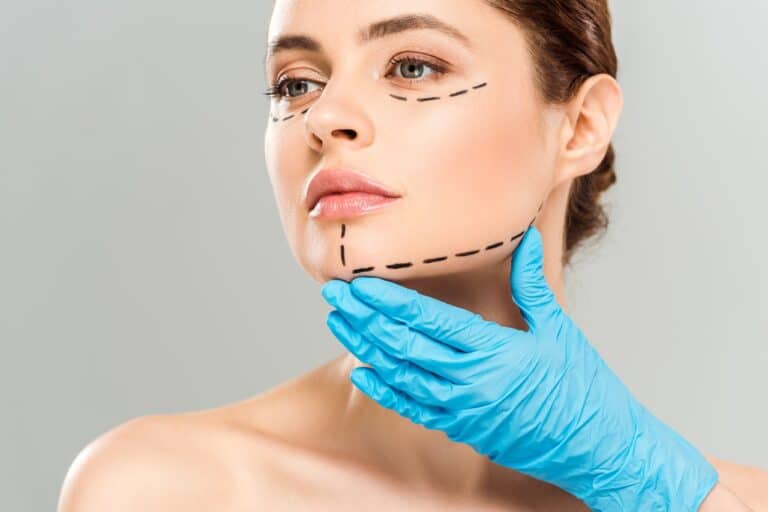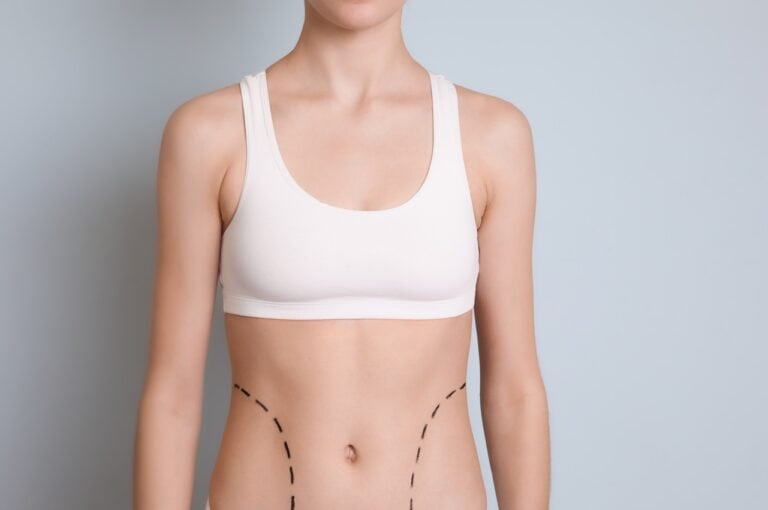
Non-invasive body contouring has redefined what is possible for anyone seeking to refine their figure without surgery. At the New York Liposuction Center, our surgeon uses advanced technology to enhance appearance, sculpting areas that often resist diet and exercise while you avoid the downtime that comes with traditional surgical procedures.
You may have heard about these treatments and wondered if the results live up to the promise. Learning about the different technologies, what to expect, and who benefits most can help you make an informed decision and start your journey with confidence.
Key Takeaways
Understanding Non-Invasive Liposuction Procedures
Non-invasive liposuction describes a group of treatments that reduce stubborn fat without surgery or significant downtime. Our surgeon uses advanced devices that disrupt fat cells, which the body then removes over time.
Below, we explain how these procedures work, what makes them different from surgical liposuction, and why so many patients now ask about them.
How Non-Invasive Fat Reduction Works
These treatments focus on breaking down fat cells beneath the skin while leaving surrounding tissues unharmed. Over the coming weeks, your body naturally eliminates these cells, causing a visible reduction in treated areas.
Each technology uses a different energy source to target fat:
- Cryolipolysis employs cool temperatures to freeze and destroy fat cells.
- Laser lipolysis uses controlled light energy that damages fat without causing burns.
- Radiofrequency treatments heat fat cells, which triggers apoptosis or fat cell death.
- High-intensity focused ultrasound delivers precise sound waves that disrupt fat cells.
All methods require no incisions or stitches, which prevents scarring and reduces the risk of complications.
Key Differences from Surgical Liposuction
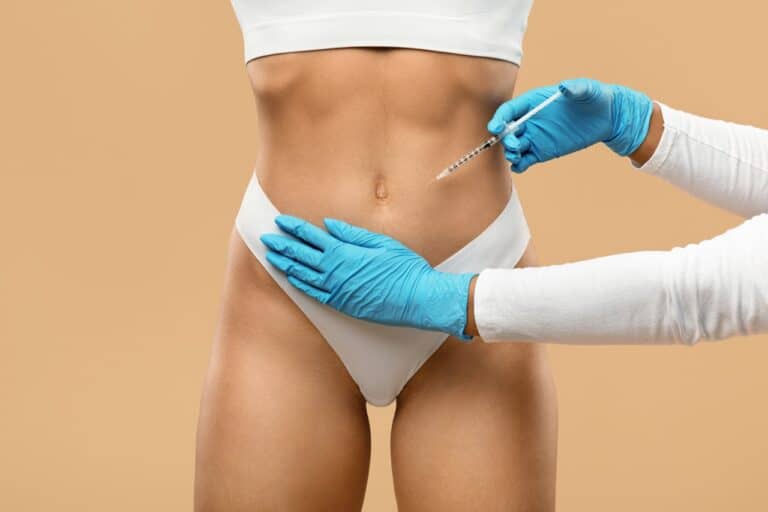
Non-invasive methods cannot remove as much fat as surgical liposuction in a single session. Instead, these treatments gradually slim targeted spots, sometimes utilizing an injectable fat reduction treatment for smaller areas, and require multiple sessions for optimal results.
Patients do not receive general anesthesia, and no significant downtime follows these therapies. This makes the treatments attractive for those with busy schedules or a desire for subtle sculpting.
Areas of the Body Commonly Treated
We can address many common “problem areas” with non-invasive procedures. The most popular locations include:
- Abdomen and flanks
- Inner and outer thighs
- Upper arms
- Back and bra line
- Double chin or submental fullness
The choice of technology and the number of sessions depend on your unique anatomy and goals.
This approach allows for customized treatments that respect your comfort and routine.
Popular Non-Invasive Liposuction Technologies
Many patients ask which treatment will deliver the most effective outcome for their body. Our team matches patients with the right non-surgical device based on each person’s needs and expectations.
Leading Non-Invasive Fat Reduction Technologies
Below you will find an overview of the most well-known devices and how each works to sculpt and slim specific areas.
Cryolipolysis (CoolSculpting)
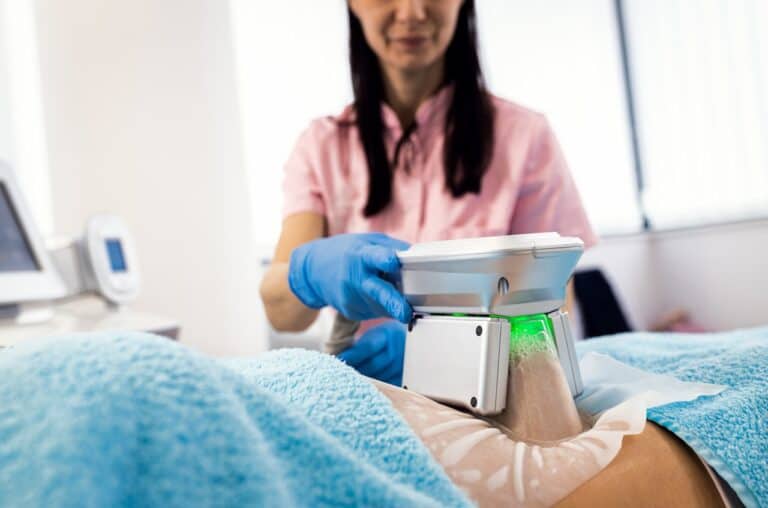
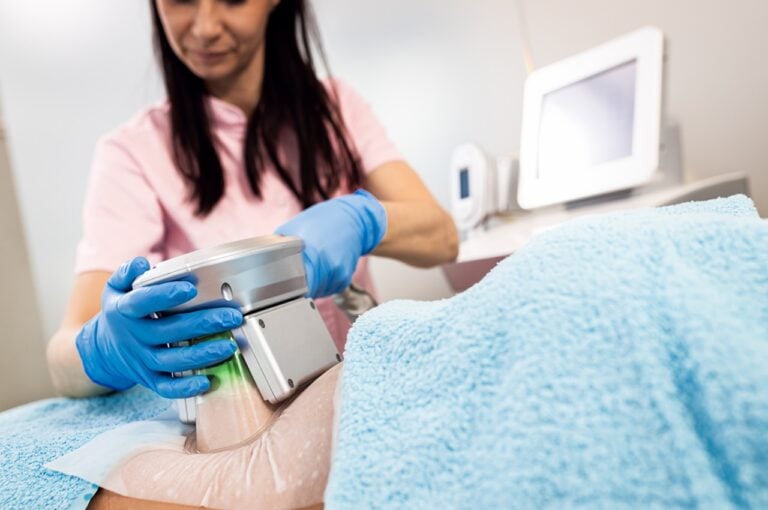
Cryolipolysis, sometimes known as CoolSculpting, applies controlled cold to stubborn fat pockets, which damages fat cells. While patients relax, an applicator cools the skin, and the underlying fat slowly crystallizes. The body gradually flushes away these damaged cells, with visible results in one to three months.
Laser Lipolysis (SculpSure)
Laser lipolysis, branded as SculpSure, operates through special pads that emit laser energy to heat fat cells. Areas can include the belly, back, or flanks. Sessions are comfortable, without burning or cutting the skin, and patients often see contour changes after several weeks.
Radiofrequency Devices (Vanquish, truSculpt)
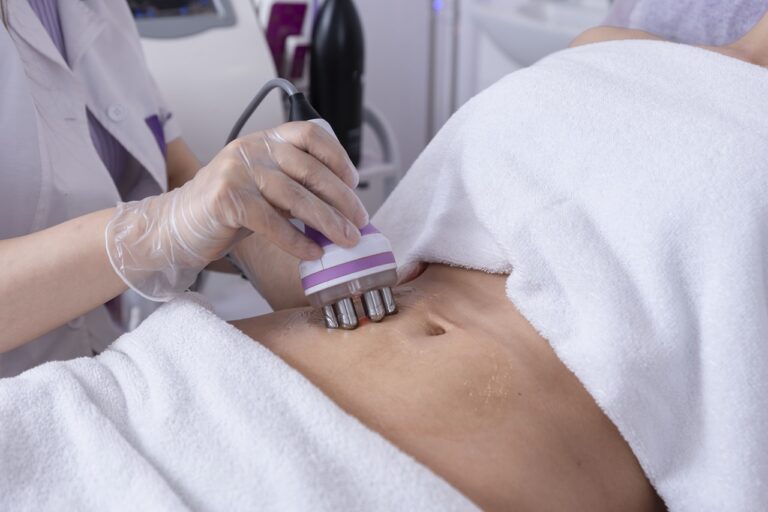
Radiofrequency devices heat large sections of fat below the skin using a panel or handheld device. These treatments feel warm yet painless. Multiple sessions help achieve uniform reduction, and people notice improvements after about a month.
High-Intensity Focused Ultrasound (UltraShape)
UltraShape uses focused ultrasound waves to disrupt fat cells below the skin without affecting nerves or tissues. The treatment feels gentle and has quick visits, and results develop over several weeks as the fat clears naturally.
Choosing the Right Treatment at Our NYC Office
Every technology suits different goals and body types. During your consultation, we explain how each method works and recommend options based on:
- Amount of fat being treated
- Size and location of the targeted area
- Sensitivity, comfort, and expectations
- Skin tone, laxity, and any previous body contouring
Your satisfaction is our top priority, and we help you feel informed, involved, and confident.
The Treatment Process Step-by-Step
Patients often wonder about the sequence of events with these procedures. Knowing each step helps you plan your schedule and anticipate what happens next.
A non-invasive liposuction experience typically follows three main stages: pre-treatment consultation, the procedure itself, and aftercare.
The Pre-Treatment Consultation
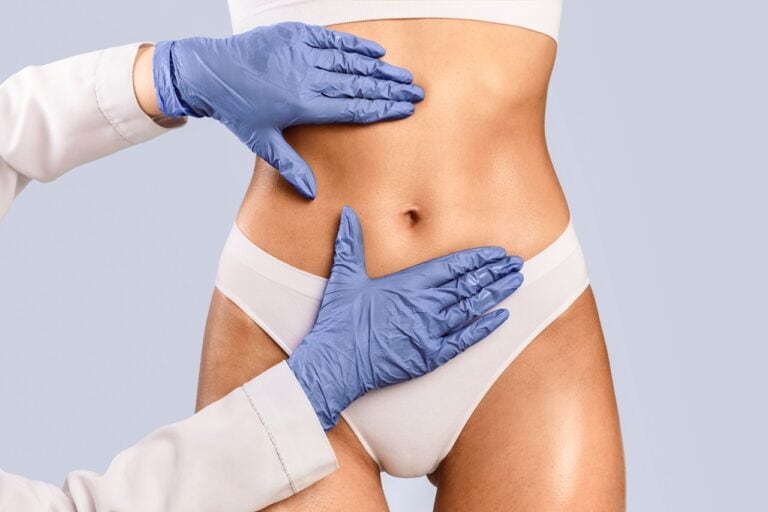
Before any treatment, you meet with our surgeon to discuss your aesthetic goals, medical history, and lifestyle. We perform a careful evaluation to assess skin quality, fat distribution, and candidacy.
Based on your goals and health profile, we outline a personalized treatment plan, including potential sessions, target areas, and costs.
The Treatment Session
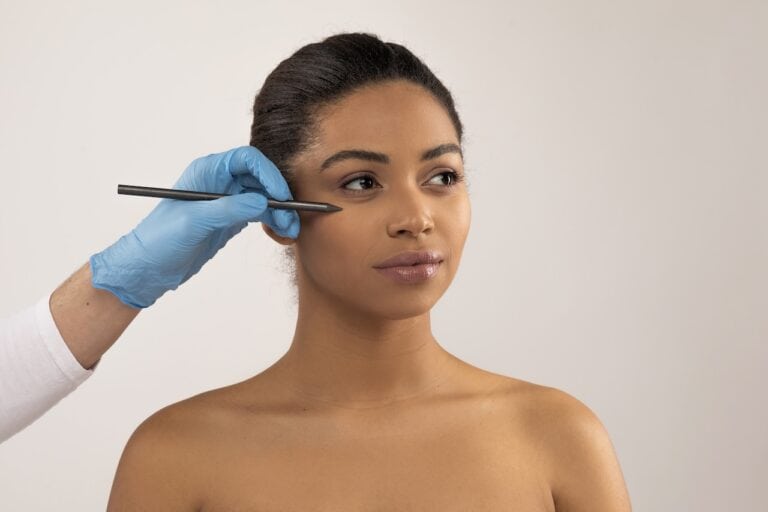
When you arrive for treatment, we mark the areas, explain what to expect, and position the device for accuracy. Sessions last 25 to 90 minutes, depending on the technology and number of areas addressed.
You remain awake, relaxed, and able to read or use your phone. Discomfort is usually mild, with some redness, warmth, numbness, or tingling in the treated area.
After completion, you may resume your daily activities, including work, errands, or workouts.
Short and Long-Term Aftercare
Non-invasive fat reduction requires no incisions, but you may notice minor swelling, bruising, or numbness for a few days. You do not need compression garments, and you can shower normally.
Visible changes develop over two to twelve weeks as your body metabolizes the damaged fat cells. Staying hydrated, active, and maintaining healthy habits will optimize and sustain your results.
Who Makes a Good Candidate?
Not everyone is an ideal candidate for these treatments, so our surgeon considers your health and expectations before recommending a plan. The next section outlines the qualities that make an individual well-suited for non-surgical fat reduction.
Qualities of Suitable Candidates
People who see the best outcomes meet most of the following criteria:
- Maintain a stable, healthy weight
- Seek to target localized, stubborn fat that does not respond to diet and exercise
- Enjoy good skin elasticity
- Have realistic expectations for gradual and subtle results over time
- Prefer non-surgical options with minimal interruption to daily life
Limitations and Considerations
These procedures do not provide significant weight loss and cannot correct loose, hanging skin. Pregnant individuals, those with certain cold-related illnesses, or people with metallic implants in the treatment area may not qualify.
Understanding these limitations ensures that we develop a plan you feel comfortable with and will find rewarding.
If you have questions about your eligibility, a private consultation can help determine your options.
Pros and Cons of Non-Invasive Liposuction
Before choosing a treatment, patients often ask for an honest comparison of advantages and disadvantages. The following list outlines both so you can weigh your priorities.
Non-invasive fat reduction offers notable benefits, yet a few limitations also deserve consideration.
- Minimal Downtime: Patients usually return to work and life immediately, which supports busy or active lifestyles.
- No Incisions or Scars: The entire procedure does not involve cutting, stitches, or anesthesia, which eliminates surgical risks and scars.
- Gradual, Natural Effects: Results develop over weeks, which allows your body’s shape to change in a subtle, inconspicuous way.
- Limited Fat Reduction Per Session: Each treatment removes a moderate amount of fat; for those seeking more dramatic etching like liposculpture HD or the efficiency of power-assisted lipoplasty, multiple non-invasive visits or a surgical alternative may be discussed.
- Not for Loose Skin: These procedures do not tighten the skin, and you may need other therapies for significant laxity.
- Requires Commitment: Patience, healthy habits, and possible follow-up sessions are necessary to ensure and maintain your final result.
Our surgeon discusses all risks and expectations so that your decision matches your unique needs and lifestyle.
Post-Treatment Care for Non-Invasive Liposuction
Most people find non-invasive liposuction recovery smooth and the inconvenience minimal, yet you may still have questions about how your body will feel and what you should do in the days that follow.
Typical Side Effects During Recovery
After treatment, mild side effects can happen and usually resolve within days to weeks. These may include:
- Swelling, redness, or tingling in the treated zone
- Temporary numbness or slight sensitivity
- Occasional mild bruising
Most discomfort fades quickly, and there is no risk of infection, bleeding, or wound healing because the skin remains intact.
Activity Recommendations and Maintenance Tips
We encourage patients to resume daily activities right away. Drink plenty of water, stay active, and keep a balanced diet for the best outcomes.
Results will gradually appear as your body flushes away the damaged fat. To maintain your new shape, regular exercise and healthy eating are essential.
In rare cases, touch-up sessions may optimize remaining areas or improve symmetry, and our surgeon will let you know if this applies to your situation.
Costs, Risks, and Long-Term Expectations
No cosmetic procedure is truly risk-free, though the non-invasive approach has an excellent safety profile and little downtime.
Key Factors Affecting Cost
The overall price of non-invasive liposuction depends on several factors:
- Size and number of treatment areas
- Choice of device or technology
- Total number of sessions required for ideal results
- Geographic location and reputation of the surgeon or facility
An upfront quote and honest discussion about potential costs prevent unwanted surprises and allow you to budget confidently.
Possible Risks and Complications
Serious complications are rare and usually mild if they occur. Reported risks include:
- Prolonged numbness
- Minor skin irritation or redness
- Swelling or tenderness
- Rare paradoxical fat increase (enlargement of fat in the treated area)
This list is not exhaustive, so ask our team about any concerns during your consultation.
Most patients enjoy long-term benefits as long as they sustain a healthy lifestyle. While fat cells do not return, weight gain elsewhere may change the results over time.
Frequently Asked Questions About Non-Surgical Fat Reduction
Curious patients at our NYC office often ask the following questions about non-surgical fat removal.
Taking the Next Step Toward Body Confidence
Advancements in non-surgical fat reduction empower people to achieve attractive body contours without incisions, anesthesia, or weeks of downtime. At the New York Liposuction Center, you find a caring team that guides you from your first questions through each step of the process, and we prioritize your comfort and satisfaction from start to finish.
Learning about non-invasive liposuction gives you a strong foundation to decide which approach suits your lifestyle and goals. Non-invasive treatments do not replace surgery for dramatic changes, though they offer impressive outcomes for appropriate candidates who want modest, natural-looking improvement.
Your next step begins with a personalized consultation, so reach out to the New York Liposuction Center to discuss your options and take the first step toward a more confident future.