At the New York Liposuction Center, patients often ask detailed questions about recovery and healing after tummy tuck surgery. Many are surprised to learn that what you wear after the procedure plays a critical role in how your body looks and feels as it heals.
A tummy tuck compression garment may seem like a simple piece of clothing, but it does much more than provide comfort. This specialized garment helps support your surgical results, manage swelling, and even shorten the overall recovery period. Understanding how it works can set realistic expectations and promote a safer, smoother outcome.
Read on for everything you should know about tummy tuck compression garments, from their medical purpose to practical tips for daily use. Our surgical team is committed to helping you recover and achieve the best possible contour.
Key Takeaways
Understanding the Purpose of a Tummy Tuck Compression Garment
Many patients wonder why a specialized garment is necessary after abdominoplasty surgery. The answer lies in the body’s response to the procedure itself.
The Medical Role of Compression
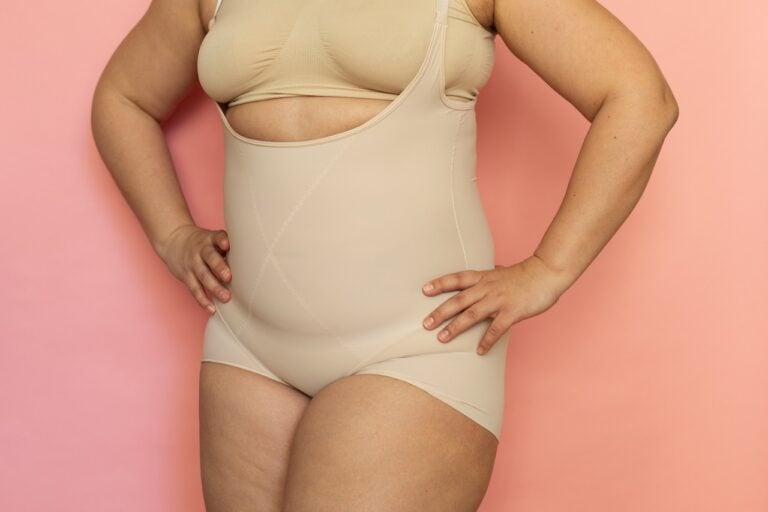
Tummy tuck surgery creates space beneath the skin where fluid can accumulate. The body naturally swells as it heals, which may cause discomfort or slow the improvement of your new shape. A compression garment fits snugly around the midsection and applies uniform pressure to these tissues.
This pressure provides several key benefits. First, it helps limit fluid buildup that would otherwise collect in empty spaces after surgery. In addition, compression supports your incisions and underlying muscles, which relieves tension and reduces the risk of complications such as seromas.
Enhancing Results and Comfort
Consistent use of a compression garment shapes your abdomen as swelling goes away. Patients notice smoother, more symmetrical contours as a result. Many also experience less post-operative pain because the garment stabilizes the tissues, especially when moving or standing.
By wearing the garment as recommended by our surgical team, you can help ensure that your final results reflect the full benefits of your tummy tuck.
Types of Compression Garments and Their Features
When selecting a tummy tuck compression garment, it is important to understand that not all are created equal. Each design suits unique patient needs and personal comfort.
Popular Garment Styles
Patients can choose from different styles, each with its own unique benefits:
- Abdominal binder: This wide, adjustable band wraps around the waist or hips for basic compression and easy adjustment.
- Full-length garment: Covers from just below the chest to above the knees, providing uniform support to the entire midsection and thighs.
- High-waisted briefs or shorts: Offers a discreet fit under clothing and delivers targeted compression to the lower abdomen.
Your choice may depend on the extent of your surgery, body type, or daily activities. While the requirements for compression garments after BodyTite are often lighter due to the minimally invasive nature of radiofrequency treatments, a full abdominoplasty requires a more robust, medical-grade binder to protect the internal muscle repairs.
Our surgeon helps determine which style best suits your specific procedure and comfort preferences.
Key Material and Design Features
Modern garments use several fabric combinations to blend comfort with effective compression. Medical-grade materials such as spandex, Lycra, and cotton blends are common. These materials balance breathability with enough elasticity to maintain pressure on healing tissues.
Look for soft interior seams to prevent chafing or irritation during long wear periods. Many garments also include hypoallergenic linings and reinforced panels for extra support. Front closures, adjustable straps, and open crotch designs can make dressing and hygiene much easier.
How to Identify Quality Compression Garments
A well-made garment will hold its shape over time without stretching out or losing its compressive effect. Quality brands also provide a range of sizes that fit securely without cutting into the skin or riding up during movement.
If you order your own garment, always verify the manufacturer’s reputation and discuss any sizing doubts with our team before using it after surgery.
How the Compression Garment Affects Your Recovery Process
The use of a tummy tuck compression garment impacts almost every aspect of the post-operative experience. This section explains how it shapes healing, comfort, and long-term results.
Managing Swelling and Fluid
Surgical trauma can lead to significant swelling in the abdomen, which sometimes persists for weeks. Compression prevents excessive swelling by distributing pressure evenly across the surgical site. This makes it easier for your body to absorb excess fluid and encourages healthy circulation.
By minimizing fluid buildup, the garment also reduces the risk of seroma. A seroma is a pocket of fluid that forms below the skin, which may cause pain or require drainage.
Supporting Tissues While Healing
Tummy tuck surgery involves tightening weakened muscles and removing loose skin. As the repaired area heals, it needs gentle but consistent support. The compression garment keeps skin against the underlying muscles, which helps incisions close smoothly and evenly.
This support makes movements less uncomfortable. Patients often find it is easier to stand, walk, or change positions with the added stability that a garment provides.
Shaping and Enhancing Surgical Results
Wearing the garment shapes your body as swelling decreases. Uniform compression helps prevent irregularities by keeping skin and fat layers closely aligned with their new contours.
Over time, consistent pressure also supports scar maturation. Over time, consistent pressure supports scar maturation and prevents the incision from stretching. Patients who follow these protocols often find they can significantly reduce abdominoplasty scarring, as the garment minimizes the tension that can otherwise lead to widened or raised marks.
Getting the Right Compression Garment Fit
Achieving the right balance of compression and comfort starts with proper sizing. Our doctor can guide you through the process, but understanding the basic principles is helpful for every patient.
Measuring for Maximum Benefit
To find your correct size, it is important to measure your waist, hips, and sometimes midsection at points specified by the garment brand. Measure before your tummy tuck, since sizing may require adjustments after surgery. If you are between sizes, choose the larger option to avoid excessive pressure that may restrict circulation or slow healing.
Balancing Compression and Comfort
A well-fitted garment should feel snug but never painful or constricting. You should not experience numbness, tingling, or difficulty breathing while wearing it. If any of these symptoms occur, remove the garment immediately and contact our office for guidance.
Sometimes patients notice the garment feels tightest in the first few days as swelling develops. This is expected, but if tightness causes severe discomfort, we may recommend a larger size or a different style.
When to Replace or Adjust the Garment
Your body and swelling will change during the recovery period. Many patients find that they need to switch to a smaller size or a lighter compression level as healing progresses. Sudden changes in fit, persistent pain, or visible indentations mean it is time to speak with our staff about sizing adjustments.

How Long to Wear Your Tummy Tuck Compression Garment
Patients most often ask our surgeon how long they will need to use the garment after surgery. There is no universal answer, but clear guidelines can set expectations.
Typical Wear Timeline
Most patients wear their tummy tuck garment full-time during the first two to four weeks after surgery. Full-time means keeping it on day and night, except during brief periods for bathing or laundering. As healing accelerates, you can often reduce daytime use to 8–12 hours and gradually eliminate nighttime wear.
We recommend continuing with some level of compression for up to six weeks or until all significant swelling has resolved. Every recovery is unique, so our surgical team will base instructions on your healing, comfort, and personal goals.
Factors That Affect Duration
Your wear time may be longer if:
- You had an extended or complex tummy tuck procedure
- Your body tends to swell more than average
- Fluid accumulation is slow to resolve
Patients who heal quickly and have a limited surgical field may be able to stop garment use earlier. Never discontinue use without first consulting our team.
Daily Life with a Tummy Tuck Compression Garment
Many patients wonder what daily life looks like with this extra layer of support. Adjusting your routine in small ways can improve comfort and protect your results.
Tips for Keeping the Garment Comfortable
Wearing your tummy tuck garment for extended periods can cause discomfort if not managed properly. Follow these steps to stay comfortable:
- Choose breathable clothing: Select loose, natural-fiber clothes over your garments to prevent overheating or irritation.
- Reposition throughout the day: Adjust the garment every few hours to avoid wrinkles or pressure points.
- Monitor your skin: Check your skin daily for redness, indentations, or chafing under the garment.
- Take regular breaks: Remove the garment briefly every day for bathing, inspecting your skin, and ensuring proper hygiene.
Even simple steps can go a long way in keeping your skin healthy and making recovery more pleasant.
Managing Hygiene and Laundering
Compression garments sit close to the skin and may get sweaty, especially during the initial recovery period. Plan for at least two garments, so you always have a clean option while one is being washed.
Wash garments according to the care instructions, using mild detergent and cool water. Avoid harsh chemicals or heat, which can damage elastic fibers and change the garment’s fit.
Keeping the garment and your skin clean reduces the risk of irritation, infection, or unpleasant odors.
Risks of Improperly Using Compression After a Tummy Tuck
Proper garment use protects not only comfort but also safety and long-term results. Not all patients realize the consequences of skipping or misusing their compression garment during the critical weeks after surgery.
Potential Complications
There are several risks when a tummy tuck compression garment is not worn or is used incorrectly:
- Increased swelling: Skipping the garment can allow fluid to collect, which prolongs recovery and delays your final shape.
- Seroma formation: Without compression, fluid pockets can develop, which may require drainage in our office.
- Asymmetry or irregular healing: Inconsistent support sometimes causes lumps, indentations, or uneven contours.
- Strained incisions: Without external support, incisions may be under greater tension, increasing the risk of widened scars or long-term discomfort.
- Infection risk: Skin folds or irritation from improper garment fit can create a warm, moist environment, which sometimes encourages bacterial growth.
Following your surgeon’s instructions is the best way to minimize these risks and support your body’s healing.
When to Notify Our Office
Call our New York office promptly if you notice:
- Severe discomfort, pain, or numbness in the garment area
- Skin sores, persistent redness, or rash
- Unusual swelling, fluid buildup, or a noticeable lump
Prompt evaluation allows us to prevent complications and adjust your recovery plan as needed.
Common Myths and Misconceptions About Compression Garments
Some patients come to us with confusion about the role and use of compression garments. Misunderstandings can interfere with a safe recovery, so we address some of the most frequent myths here.
- Myth: Tightest is best: A garment that feels uncomfortably tight does not heal you faster. Excessive compression can damage skin or restrict blood flow. The correct fit feels snug yet comfortable.
- Myth: Only needed for the first week: Swelling and tissue healing continue well beyond the first week. Gradual reduction in use is key to optimal results.
- Myth: All brands perform the same: Medical-grade garments designed specifically for post-abdominal surgery outperform retail shapewear or athletic compression garments.
- Myth: I can size down to speed results: Choosing a smaller size than recommended can actually slow healing. Always follow your surgeon’s guidance on selection and fit.
As you learn more about tummy tuck aftercare, trust our experience to separate fact from fiction and promote a smoother outcome.
Your Compression Garment Journey: What to Expect at Each Stage
Knowing what to expect during your tummy tuck recovery helps you feel prepared and confident as you heal. Our staff at the New York Liposuction Center guides patients through every phase. Watch for these typical stages of compression garment use:
1. Early Post-Operative Period
Immediately after surgery, we place the garment for you in the operating or recovery area. You wear this garment day and night to control swelling and support the incisions.
2. Transition Phase
After the first week or two, swelling usually subsides. The garment should still fit comfortably but may feel looser. You may shift to a lighter compression level or a different style.
3. Final Healing Stage
Four to six weeks after surgery, patients often reduce daily hours in the garment. At this point, many notice that their results look smoother and more toned. Our surgeon may confirm when it is safe to discontinue garment use.
Awareness of these stages reassures you that each sensation is expected and temporary.
Frequently Asked Questions About Tummy Tuck Compression Garments
Every patient’s situation is unique, but some questions come up time and again. Here are brief answers to common topics that patients discuss at our practice.
For more personal guidance on these and other concerns, our surgical team welcomes questions at every step.
Enhanced Recovery and Results With Expert Compression Guidance
Your tummy tuck journey involves more than just time in the operating room. Wearing a well-fitted compression garment can help you recover safely, minimize complications, and fully enjoy your results. With attention to fit, care routines, and consistent communication with your surgical team, you can take charge of your healing.
At the New York Liposuction Center, we offer individualized garment recommendations and hands-on assistance for each stage of recovery. Whether you are planning surgery or already in the recovery phase, our staff is ready to support your goals and address your concerns.
If you have questions about tummy tuck compression garments or want to explore body contouring in greater detail, contact us today to schedule a personal consultation. Our team looks forward to guiding you through every step toward a confident, comfortable outcome.