Choosing between surgical and non-surgical liposuction represents one of the most important decisions in your body contouring journey. Both approaches reduce unwanted fat, but they differ dramatically in technique, results, recovery, and investment.
The decision isn’t always straightforward. Some patients clearly need surgical intervention for significant contouring, while others are perfect candidates for non-surgical alternatives. Many fall somewhere in between, making the choice more nuanced.
At the New York Liposuction Center, we help you evaluate both options honestly so you can move forward with confidence.
Key Takeaways
How Each Approach Works
Understanding the fundamental differences between surgical and non-surgical liposuction helps you appreciate why results, recovery, and experiences vary so dramatically. These aren’t just different versions of the same procedure but entirely distinct approaches to fat reduction.
Surgical Liposuction Process
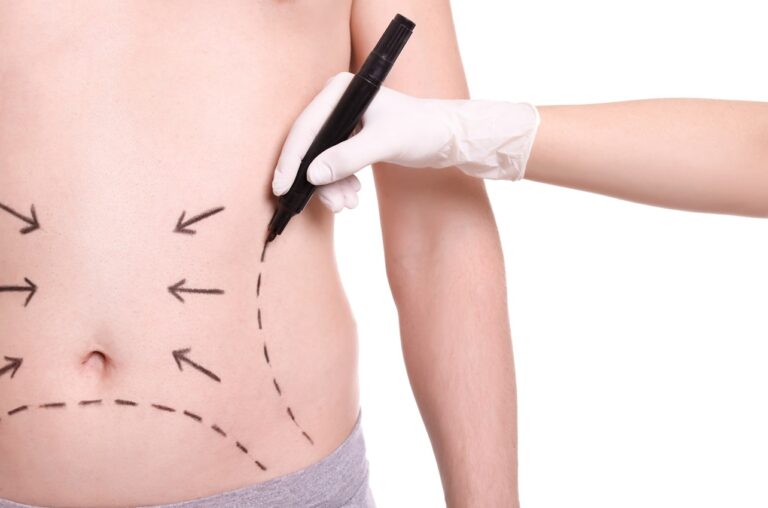
Surgical liposuction removes fat through physical extraction. The surgeon makes small incisions, inserts thin tubes called cannulas, and uses suction to remove fat cells from targeted areas. This direct removal allows precise sculpting and immediate volume reduction.
The procedure requires anesthesia, either local with sedation or general, depending on treatment extent. Surgery typically takes one to three hours, depending on how many areas you’re addressing. The surgeon can remove several liters of fat in a single session, creating dramatic contouring.
Modern surgical techniques include tumescent, laser-assisted, power-assisted, and body jet liposuction methods, each offering unique benefits for fat dislodgement and removal. Understanding the evolution of liposuction helps patients appreciate how these refined technologies have improved safety and precision over the years. Each variation enhances the basic suction process with additional technology. However, all surgical approaches share the fundamental characteristic of physically removing fat during the procedure.
Non-Surgical Fat Reduction Process
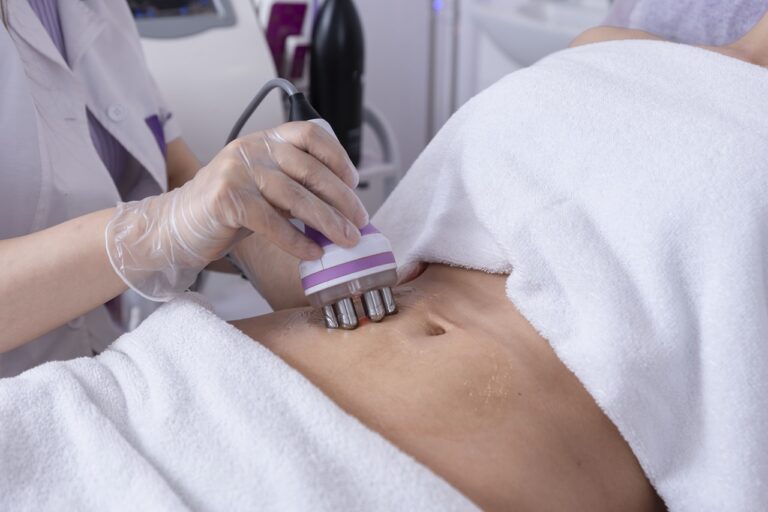
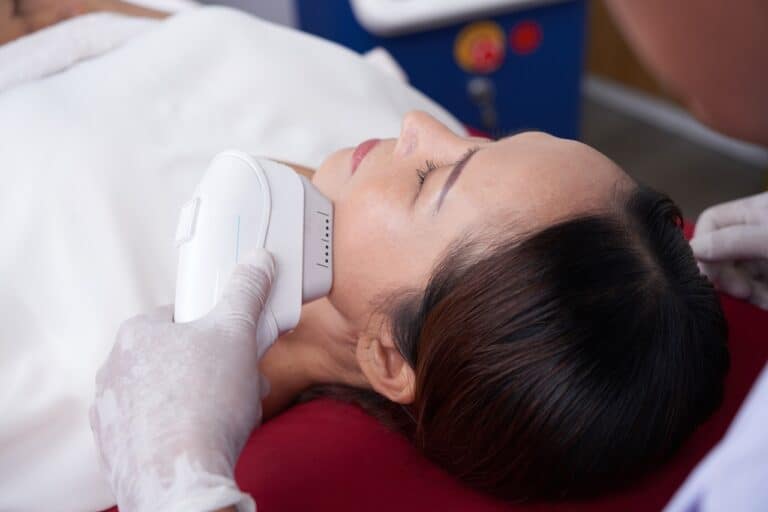
Non-invasive fat reduction processes destroy fat cells without removing them during treatment. Technologies like cryolipolysis freeze fat cells, lasers heat them, and ultrasound disrupts them mechanically. Injectable treatments like Kybella dissolve fat cell membranes chemically.
Your body’s lymphatic system processes and eliminates destroyed fat cells over several weeks to months. This natural removal process creates gradual results that develop long after your treatment appointment. The destroyed cells are permanently gone, but the process takes patience.
No incisions, anesthesia, or operating room are required. Most treatments occur in office settings with minimal preparation. Sessions last 15 to 60 minutes, depending on the technology and treatment area size.
Comparing Results and Effectiveness
Results represent the most critical factor for most patients when choosing between surgical and non-surgical options. Both approaches reduce fat permanently, but the degree of reduction and quality of contouring differ substantially.
Fat Removal Volume
Surgical liposuction removes significantly more fat per treatment area. Surgeons can extract one to five liters of fat depending on safety considerations and your goals. This volume reduction creates visible shape changes that dramatically alter your silhouette.
Non-surgical methods reduce fat by approximately 20 to 25 percent per treatment session. While this reduction is genuine and measurable, it translates to more subtle improvements. Multiple sessions can enhance results but rarely match surgical outcomes for dramatic transformation.
Contouring Precision
Surgery allows for more precise body sculpting that non-surgical technologies cannot replicate, as surgeons manually guide cannulas to create specific shapes. Surgeons manually guide cannulas to create specific shapes, address irregular areas, and customize contouring to your unique anatomy. This hands-on control produces more refined and predictable outcomes.
Non-surgical applicators have predetermined treatment zones that may not perfectly align with your concerns. The technologies reduce fat in general areas rather than allowing precise targeting. This limitation can result in less defined contouring compared to surgical precision.
Skin Response
Surgical liposuction can address skin quality through various techniques. Some methods stimulate collagen production and promote skin tightening during fat removal. Surgeons can also assess skin laxity during the procedure and recommend complementary treatments.
Non-surgical procedures provide minimal skin tightening, with laser technologies offering the most benefit. However, this effect remains modest and cannot address significant skin laxity. Patients with loose skin often experience disappointing contours with non-surgical approaches because skin doesn’t retract adequately.
Recovery and Downtime Differences
Recovery represents a major decision factor for many patients. Your ability to take time off work, tolerance for discomfort, and lifestyle needs all influence which approach suits you better.
Surgical Recovery Timeline
Surgical liposuction requires a meaningful recovery time. Most patients need one to two weeks off work, depending on job physical demands and the extent of surgery. Swelling, bruising, and soreness persist for several weeks, though they gradually improve.
You’ll wear compression garments continuously for four to six weeks. These garments reduce swelling, support healing, and help skin retract to new contours. Most patients resume light exercise after two weeks and full activity after four to six weeks.
Pain and discomfort are manageable with prescribed medications during the first few days. Most patients transition to over-the-counter pain relievers within a week. The discomfort is temporary but more significant than non-surgical alternatives.
Non-Surgical Recovery Experience
Non-surgical procedures allow immediate return to normal activities in most cases. You might experience redness, swelling, or tenderness in treated areas, but these effects typically don’t prevent you from working or exercising. This convenience appeals to patients with demanding schedules.
Injectable treatments like Kybella cause more noticeable swelling that can last one to two weeks. This recovery is longer than other non-surgical options but still shorter than surgical downtime. Most patients schedule these treatments before weekends or lighter work periods.
Compression garments are optional with non-surgical treatments. Some providers recommend them to optimize results, but they’re not mandatory like with surgery. This flexibility makes non-surgical options more convenient for your daily routine.
Cost Analysis and Value Comparison
Financial investment influences your decision significantly. Understanding not just the upfront costs but the total investment over time helps you compare options accurately.
- Surgical liposuction costs: Single areas typically cost $3,000 to $7,000 as a one-time procedure, with multiple areas adding $1,500 to $3,000 per additional zone through bundled pricing.
- Non-surgical costs per area: Treatment series range from $2,000 to $8,000 per area when you factor in two to four required sessions at $750 to $4,000 each.
- Multi-area comparison: Surgery becomes more cost-effective when treating multiple areas because additional zones add minimal cost, while non-surgical methods require a complete treatment series for each area.
- Long-term maintenance: Surgery provides permanent results with no maintenance costs, while some non-surgical patients need touch-up treatments every one to three years, adding ongoing expenses.
- Revision considerations: Surgical touch-ups cost less than primary procedures, while non-surgical maintenance sessions cost the same as initial treatments or slightly less with package pricing.
Candidacy Requirements for Each Approach
Not everyone qualifies as a good candidate for both options. Your anatomy, health status, and goals determine which approach suits you best.
Ideal Surgical Candidates
Good surgical candidates are within 30 pounds of their goal weight with moderate to significant fat deposits in specific areas. These patients have realistic expectations and understand the difference between diet and exercise or liposuction. They recognize that while lifestyle is for overall health, surgery is for targeted body contouring. Good overall health allows safe anesthesia and healing.
Skin quality matters less with surgery than with non-surgical options because some techniques address skin tightening. However, severe skin laxity may require combination procedures like a tummy tuck rather than liposuction alone. Your surgeon assesses this during consultation.
Patients seeking dramatic transformation, treating multiple areas, or needing precise contouring typically benefit more from surgical intervention. The single procedure approach also appeals to people who prefer getting everything done at once rather than multiple appointments over months.
Ideal Non-Surgical Candidates
Perfect non-surgical candidates are within 20 pounds of ideal weight with small, isolated fat deposits. These patients have good skin elasticity and realistic expectations for subtle improvements. They want to avoid surgery and can commit to multiple treatment sessions.
Good overall health still matters, though requirements are less stringent than surgery. Certain medical conditions contraindicate specific non-surgical technologies. Your consultation includes screening to ensure safety and appropriateness for your chosen method.
Patients seeking convenience, minimal downtime, and gradual results often prefer non-surgical approaches. These options also appeal to people who want to “test” body contouring before committing to surgery or those addressing very small concerns.
Making Your Decision Between Options
Choosing between surgical and non-surgical liposuction requires an honest assessment of your goals, lifestyle, and priorities. Neither approach is universally superior, but one likely fits your specific situation better.
Questions to Consider
How much fat do you want to remove? Significant volume reduction requires surgery, while small amounts suit non-surgical methods. Your consultation reveals whether you have enough fat to make surgery worthwhile or little enough for non-surgical success.
What’s your timeline for results? If you need a transformation for a specific event several months away, either option works. For faster results or events within three months, surgery delivers sooner. For very gradual change without obvious “I had something done” moments, non-surgical wins.
Can you take time off for recovery? One to two weeks off work and four to six weeks of modified activity favor surgery. Inability to take downtime makes non-surgical the practical choice despite requiring multiple appointments over months.
What’s your tolerance for discomfort? Surgery involves more significant temporary discomfort that resolves with healing. Non-surgical procedures are more comfortable during and after treatment but require patience for results.
Frequently Asked Questions About Surgical vs Non-Surgical Liposuction
Finding the Right Provider in New York
Your provider choice matters as much as the procedure itself. New York offers access to highly skilled practitioners across both surgical and non-surgical specialties. However, not all providers deliver equal expertise or results.
For surgical liposuction and other modern cosmetic procedures, seek board-certified plastic surgeons with extensive body contouring experience and a track record of safety. Review before-and-after photos of their actual patients to assess aesthetic style and result quality. Patient testimonials provide insight into the overall experience and satisfaction.
For non-surgical treatments, look for medical practices with experienced staff and FDA-cleared equipment. Some plastic surgery practices offer both surgical and non-surgical options, which allows unbiased recommendations based on your needs rather than what services they sell.
Ready to explore which liposuction approach fits your body contouring goals? Contact the New York Liposuction Center to schedule a consultation with our board-certified surgeon. We’ll evaluate your concerns, explain both surgical and non-surgical options honestly, and help you choose the path that delivers the results you’re seeking.