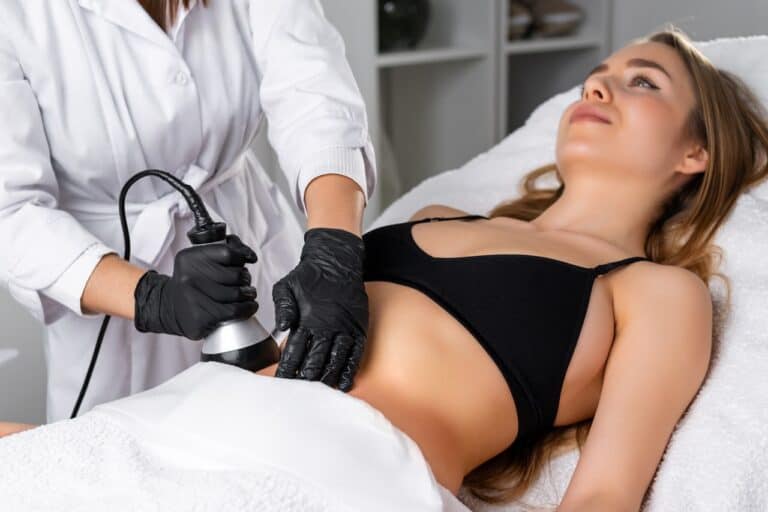
Modern beauty treatments have changed dramatically over the past decade, and more people now choose procedures that enhance their appearance without major surgery. While liposuction remains a well-known option, many patients are also turning to less invasive treatments that deliver real results and fit into busy New York lifestyles.
The shift toward gentler approaches has made aesthetic enhancement accessible to anyone who wants to look their best without extended downtime.
Key Takeaways
Understanding Minimally Invasive Procedures
Minimally invasive cosmetic procedures use advanced technology to enhance your appearance without extensive surgery. These treatments involve smaller incisions or no incisions at all. The approach focuses on precision and efficiency. You can achieve your aesthetic goals while avoiding the risks associated with traditional operations.
These procedures differ from major surgery in several important ways. Traditional surgery requires large incisions, general anesthesia, and weeks of recovery time. In contrast, minimally invasive options typically use local anesthesia or no anesthesia at all. The recovery period is much shorter. Most people resume normal activities within a day or two.
How These Procedures Work
The technology behind these treatments has advanced significantly in recent years. Lasers can target specific skin layers to stimulate collagen production. Injectable treatments work by temporarily relaxing muscles or adding volume to areas that have lost fullness. Radiofrequency devices heat deep tissue layers to tighten skin. Each method achieves results through precise, controlled application.
Board-certified surgeons can perform many of these procedures in an office setting. The treatments usually take between 15 minutes and two hours. You sit or lie comfortably during the process. Some procedures involve minor discomfort, but this is typically well-tolerated.
The Science Behind Effectiveness
Recent medical research confirms the effectiveness of these approaches. A 2024 study examined various facial treatments and found that patients reported high satisfaction levels. The research tracked outcomes over one year and noted that botulinum toxin applications effectively reduced dynamic wrinkles. Dermal fillers provided volumetric support with varying longevity based on the product used.
Another study from 2024 revealed interesting psychological benefits. Participants who received minimally invasive injectable procedures reported feeling more authentic two weeks after treatment. Lower feelings of authenticity were associated with initial interest in cosmetic procedures, but satisfaction increased significantly after treatment.
Most Popular Treatment Options
The field offers a wide range of procedures to address different concerns. Each option targets specific issues and delivers unique benefits.
Injectable Treatments
Neuromodulator injections temporarily relax muscles that cause wrinkles and fine lines. The most common applications include forehead lines, crow’s feet, and frown lines between the eyebrows. Results appear within a few days and last three to four months. Regular treatments can train your muscles to stay smoother longer.
Dermal fillers restore lost volume and smooth deep creases. They work particularly well for cheeks, lips, and the areas around your mouth. Different formulas last anywhere from six months to two years. Hyaluronic acid-based products are the most popular because they integrate naturally with your tissue.
Skin Resurfacing Options
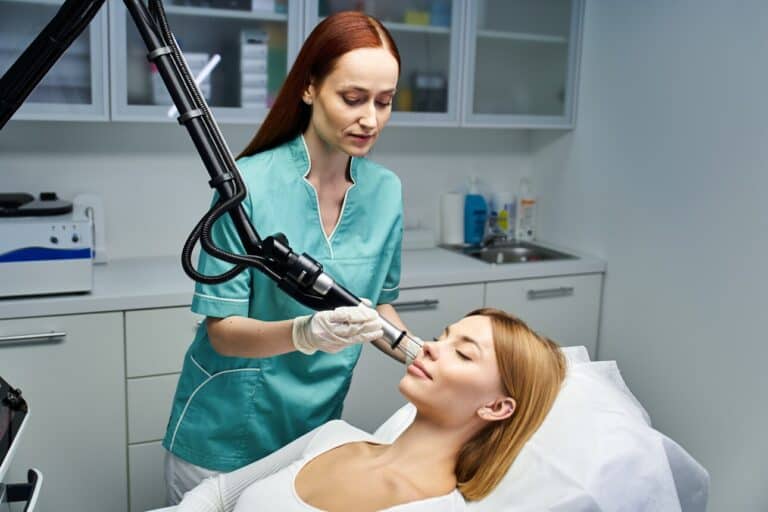
Laser treatments address different skin concerns based on the type used. Some remove outer skin layers to reveal fresher skin beneath. Others penetrate deeper to stimulate collagen production. Laser resurfacing can reduce wrinkles, scars, uneven tone, and sun damage. The treatment works well for both face and body applications.
Chemical peels use controlled acids to remove damaged skin layers. Light peels refresh your complexion with no downtime. Medium peels penetrate deeper to address more significant concerns. The new skin that emerges looks smoother and more even.
Microneedling uses tiny needles to create controlled micro-injuries in your skin. Your body responds by producing new collagen and elastin. When combined with radiofrequency energy, the treatment penetrates even deeper. The result is tighter, firmer skin with improved texture.
Body and Facial Contouring
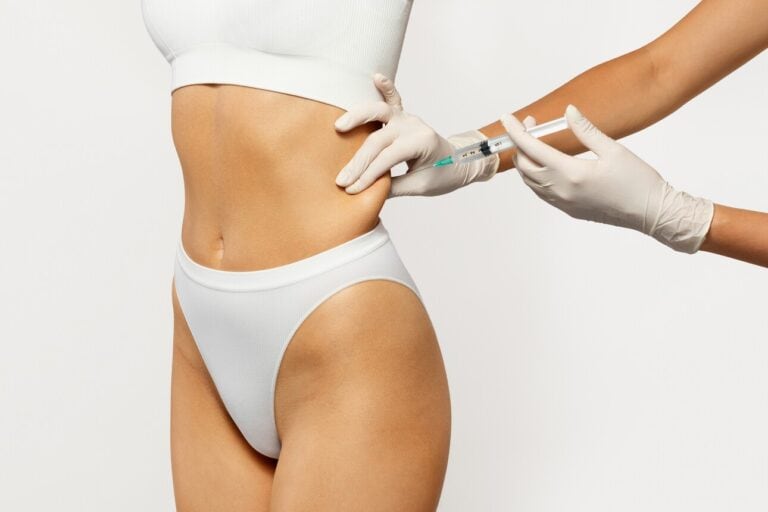
Injectable fat reduction treatments dissolve fat cells in specific areas. This works well for stubborn pockets under the chin or in other localized areas. Results develop gradually over several weeks as your body processes the destroyed fat cells.
Thread lifts involve special threads inserted beneath your skin to provide an immediate lifting effect. Over time, your body produces collagen around the threads. This creates additional support and continues to improve results. The procedure takes about an hour and leaves minimal marks.
Key Benefits of Minimally Invasive Treatments
Minimally invasive procedures offer advantages that traditional surgery cannot match. Understanding these benefits helps you make informed decisions about your aesthetic goals.
- Time efficiency: Most treatments take less than an hour and fit into your schedule easily. You can schedule them during a lunch break or between meetings. Many New York professionals appreciate this convenience.
- Lower risk profile: Safety concerns decrease significantly with less invasive approaches. Smaller or no incisions mean less risk of infection. The lack of general anesthesia eliminates related complications. Blood loss is minimal or nonexistent.
- Natural appearance: One of the biggest shifts in aesthetic medicine is the focus on natural results. People no longer want to look like they have had work done. The subtle enhancements achieved through these treatments refresh your appearance without changing your fundamental features.
- Cost advantages: Financial accessibility is another important advantage. Traditional surgery involves surgeon fees, anesthesia costs, facility charges, and follow-up care. Minimally invasive procedures cost significantly less because they require fewer resources.
- Quick recovery: The recovery period for minimally invasive procedures is remarkably short. You might experience mild redness, swelling, or tenderness at the treatment site. These effects usually resolve within hours to a few days.
What to Expect During Your Treatment Journey
Understanding the process helps reduce anxiety and ensures you are well-prepared. Most minimally invasive procedures follow a similar pattern.
Initial Consultation
Your experience begins with a thorough consultation. The board-certified surgeon evaluates your skin condition, discusses your concerns, and reviews your medical history. This conversation helps determine which procedures will best achieve your desired results. You can ask questions and express any concerns during this meeting.
The surgeon will examine the areas you want to address and may take photographs for reference. Together, you will develop a treatment plan that aligns with your goals and timeline. The consultation is also the time to discuss costs and any necessary preparation.
The Treatment Session
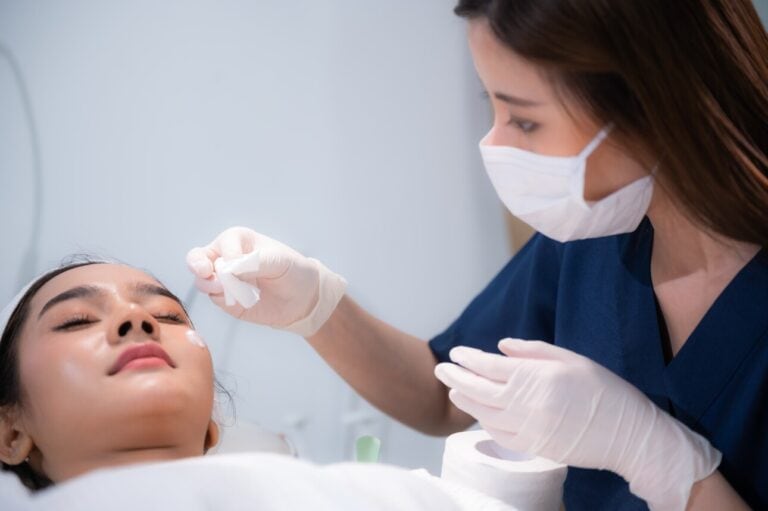
On the day of your procedure, you arrive at the office and complete any final paperwork. The treatment area is cleaned and prepared. If needed, a topical numbing cream is applied to minimize discomfort. Some procedures require no anesthesia at all.
The actual treatment time varies. Injectable procedures often take just 15 to 30 minutes. Laser treatments might require 30 minutes to an hour, depending on the area being treated. Throughout the process, the surgeon or technician explains what they are doing.
After the procedure, you receive specific aftercare instructions. These typically include guidance on caring for the treated area, what to avoid, and when you can resume normal activities. Most people drive themselves home and continue with their day.
Recovery and Results Timeline
Results appear at different times depending on the procedure. Neuromodulator injections take effect within three to seven days. Fillers show immediate results that continue to improve as any swelling subsides. Laser treatments and chemical peels reveal new skin as the outer layer heals and sheds. Collagen-stimulating treatments show gradual improvement over weeks to months.
Choosing the Right Procedure for Your Concerns
Different concerns require different solutions. Matching your specific needs to the appropriate treatment maximizes your satisfaction and results.
Addressing Lines and Wrinkles
Dynamic wrinkles that appear with facial expressions respond best to neuromodulator injections. These treat forehead lines, crow’s feet, and frown lines effectively. Static wrinkles that remain when your face is at rest need different approaches. Dermal fillers can plump the skin beneath these lines. Laser resurfacing and chemical peels remove damaged outer layers to reveal smoother skin.
The depth and location of wrinkles influence treatment selection. Superficial lines might respond to gentler options. Deeper creases may require more intensive procedures or a combination of treatments.
Restoring Volume and Contours
As we age, we lose volume in specific facial areas. This creates a sunken or gaunt appearance. Dermal fillers excel at restoring this lost volume. They can enhance cheekbones, fill hollow temples, and plump thinning lips. The right filler in the right location creates a lifted, more vibrant look.
Fat transfer is another safe option for volume restoration. This involves harvesting fat from one area of your body and injecting it into your face. Results can be long-lasting or permanent if the transferred fat survives.
Improving Skin Quality
Uneven skin texture, large pores, acne scars, and sun damage require treatments that resurface the skin. Chemical peels remove damaged outer layers and stimulate new cell growth. Microneedling creates controlled injury that triggers healing and collagen production. Laser treatments can target specific concerns like pigmentation or blood vessels.
These treatments often work best in a series. Multiple sessions spaced several weeks apart build cumulative improvements. The skin continues to improve between treatments as new collagen forms.
Preparing for Your Procedure
Proper preparation helps ensure optimal results and a smooth experience. Most minimally invasive procedures require minimal preparation, but following guidelines is important.
Medical Considerations
Inform your surgeon about all medications and supplements you take. Some substances increase bruising or bleeding risk. Blood thinners, aspirin, vitamin E, and fish oil are common examples. Your surgeon may recommend stopping these for a period before treatment.
Disclose any medical conditions, allergies, or previous cosmetic procedures. This information helps prevent complications and ensures appropriate treatment selection. If you have a history of cold sores, antiviral medication may be prescribed before certain facial procedures.
Lifestyle Preparations
Avoid alcohol for at least 24 hours before treatment. Alcohol can increase bruising and swelling. If you smoke, try to stop or reduce smoking before and after the procedure. Smoking impairs healing and can compromise results.
Arrange your schedule to allow for rest after treatment if needed. While most people resume normal activities immediately, planning for potential downtime is wise. Schedule your procedure when you do not have important events immediately afterward.
Finding the Right Provider in NYC
Choosing a qualified provider is the most important decision you will make. The skill and experience of your practitioner directly impact your safety and results.
- Board certification: Always seek treatment from a board-certified plastic surgeon or dermatologist. Board certification requires extensive training and demonstrates competence in the field. Verify credentials through professional organizations.
- Relevant experience: Experience with the specific procedure you want matters greatly. Ask how many times the provider has performed the treatment. Request to see their own before-and-after photos.
- Consultation quality: A thorough provider takes time to understand your concerns and goals. They perform a careful examination and ask detailed questions about your medical history. They explain options clearly and answer your questions patiently.
- Facility standards: The treatment space should be clean and well-maintained. Staff should be professional and attentive. Emergency equipment should be available even though complications are rare.
Frequently Asked Questions About Minimally Invasive Cosmetic Procedures
Taking the Next Step Toward Enhancement
The choice to have any cosmetic procedure is deeply personal. Take time to consider your motivations, expectations, and readiness. Minimally invasive options offer an excellent middle ground between doing nothing and committing to major surgery.
They provide real improvements with manageable commitment and risk. The natural results and quick recovery make them ideal for many people. If you value your appearance but want to avoid extended downtime, these procedures may be perfect for you. The growing acceptance of aesthetic enhancement has made it easier to pursue these options throughout New York City.
At the New York Liposuction Center, we understand that choosing to enhance your appearance is a significant decision. Our experienced team is dedicated to helping you achieve natural-looking results that align with your aesthetic goals.
We take pride in offering advanced minimally invasive procedures in a comfortable, professional environment. Schedule a consultation with us to discuss your concerns and explore the options that might be right for you.