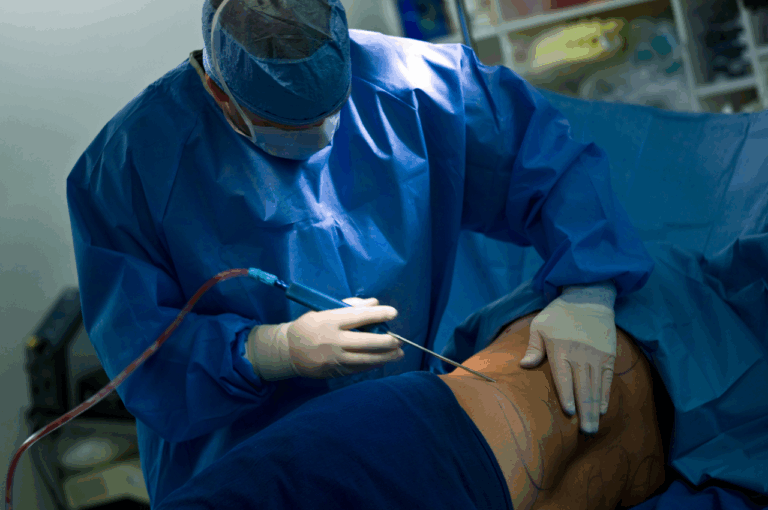
Fat reduction procedures often appear in the media, but most people do not fully realize how these surgeries and the physical timeline of liposuction recovery can interact with the body’s inner workings. At the New York Liposuction Center, we know that many patients ask how liposuction might shift not just their shape, but also their long-term metabolism.
This article walks you through every metabolic consideration you need to know before choosing liposuction. While you focus on sculpted results, you should also understand what the surgery means for how your body processes energy and regulates fat in the future.
Key Takeaways

What Happens to Body Fat and Metabolism After Liposuction?
The changes to your metabolism after liposuction depend on how fat cells interact with your body’s energy use.
Fat Cell Behavior After Surgery
The targeted fat cells removed after liposuction in areas like the belly, hips, or thighs do not grow back. However, the body still contains millions of existing fat cells in other areas. These cells can increase or decrease in size if you gain or lose weight after your procedure.
Your body stores extra energy as fat across all available fat cells. When the number of cells shrinks in one area, the remaining fat cells elsewhere can take up more fat if you consume more calories than you use.
The Effect on Resting Metabolic Rate
Your resting metabolic rate refers to the calories your body burns while at rest, supporting vital functions like breathing and circulation. Since fat tissue burns fewer calories than muscle, the removal of fat does not have a major impact on this rate. However, very large liposuction can sometimes create a minor drop in resting energy use, usually just a few calories per day.
Most people see no noticeable change in their daily energy levels or metabolism after a routine procedure.
Short-Term vs. Long-Term Metabolic Effects
Many people wonder if liposuction can create short-term or long-term shifts in how their bodies process calories. Most metabolic hormone levels, including insulin and leptin, may change slightly right after surgery because the body is adjusting to stress. Over the following weeks, these hormones usually return to normal. Long-term, your metabolism stabilizes at a new baseline once the body fully recovers.
The Science Behind Fat Cells and Metabolic Health
Fat tissue plays a much more active role in your metabolism than people often assume.
Fat Cells as Endocrine Organs
Fat cells, also called adipocytes, release hormones and chemical signals that can affect other parts of your body. These hormones can influence appetite, immune response, and even how your body responds to insulin. This means liposuction not only changes your appearance, but can also slightly shift your hormone balance for a short period.
The Limits of Liposuction on Metabolic Problems
Liposuction mainly reshapes problem areas. It cannot resolve the deeper hormonal issues found in metabolic conditions like insulin resistance or Type 2 diabetes. The number of fat cells your surgeon removes does not change your genetic set points or pancreas activity. Even after surgery, your body can still store excess calories as fat in other areas.
Key Factors That Influence Post-Liposuction Metabolism
Certain individual characteristics and choices play a pivotal role in how your metabolism responds after fat removal.
Influencing Factors
Several factors shape the changes you may experience following your procedure.
- Age and Gender: Age can slow your metabolism, while women and men may notice different fat patterns after liposuction.
- Pre-existing Conditions: Health conditions like thyroid disorders or diabetes can make your metabolism react differently.
- Muscle Mass: Individuals with more muscle tend to maintain a higher resting metabolic rate, even after fat loss.
- Activity Level: Regular exercise after surgery supports metabolic health and helps prevent unwanted fat regain.
- Type and Extent of Liposuction: Removing larger amounts or specific kinds of fat, such as deeper versus surface layers, can influence how your body compensates.
- Recovery and Healing: The speed and quality of your healing process may affect how fast your metabolism returns to normal.
Every patient has a unique metabolic profile, which our surgical team at the New York Liposuction Center reviews in detail before any procedure.
Common Fat Redistribution Patterns After Surgery
Liposuction will not prevent the remaining fat cells in your body from expanding if weight is regained later.
Where Fat May Return After Liposuction
Surgeons remove fat cells permanently from specific zones, such as the abdomen, thighs, or arms, but do not affect other areas. If you gain weight afterward, your body will store new fat in the remaining fat cells, and these areas can look larger or more prominent than before.
For example, if liposuction targeted the abdomen, but you later gain weight, the fat may become more visible on your back, upper arms, or other untreated areas. Some patients notice dimpling or uneven fat deposits after major weight changes, so close weight management is key.
Why This Occurs
The human body seeks to store excess energy wherever it finds adequate fat cells. Since liposuction reduces size in treated regions, untouched areas may act as new storage sites if your caloric intake consistently exceeds what you burn. This does not mean surgery causes fat to “move”. It simply changes how your body redistributes energy over time.
Liposuction vs. Weight Loss: How Metabolic Outcomes Differ
You might wonder whether liposuction produces the same changes as diet or exercise-based weight loss.
What Makes Surgical Fat Removal Distinct
Liposuction physically removes entire fat cells from your body. In contrast, dieting and exercise shrink the size of fat cells throughout the body, but do not remove any cells. The effects on metabolism are not exactly the same.
When you diet or exercise, your hormone levels and metabolism can adapt in ways that promote further weight loss or maintenance. Liposuction allows you to contour specific areas, but long-term weight control depends on your habits and activity post-procedure.
Overall Health Impact
Healthy weight loss supports your cardiovascular health and metabolism better than surgery alone. Liposuction works best for localized stubborn fat on a person who is otherwise healthy and at a stable weight. It is not a substitute for a full healthy lifestyle.

The Role of Hormones After Liposuction
Hormones regulate many metabolic processes in your body, so it helps to understand how they interact after surgery.
Short-Term Hormonal Responses to Surgery
After any surgery, the body experiences a temporary stress response. Cortisol and adrenaline levels may rise for a few days as your body reacts and begins to heal. Some inflammation can shift levels of hormones involved in appetite and fat storage, such as insulin and leptin. Patients sometimes notice mild changes in cravings or energy during this period.
Long-Term Hormonal Adjustment
Over the next few weeks, the body settles into a new balance. Most people find that insulin sensitivity, appetite hormones, and energy levels normalize within six weeks of the procedure. No evidence shows that liposuction causes harmful or dangerous long-term hormonal imbalances in healthy adults.
Lifestyle Choices That Support a Healthy Metabolism After Liposuction
Your daily routine and habits have a long-lasting effect on how your metabolism functions after the operation.
Habits for a Consistent Metabolism
Adopting smart habits can help maintain your sculpted look and support overall metabolic health.
- Balanced diet: Fill meals with high-quality proteins, whole grains, fresh fruits, and vegetables to keep your metabolism steady as part of a structured after liposuction diet.
- Regular exercise: Strength training and aerobic activities help you preserve muscle and burn calories efficiently after surgery.
- Stable sleep schedule: Ensuring quality sleep after liposuction regulates key hormones involved in appetite and metabolic rate.
- Limit processed foods: Excess sugars and fats in highly processed foods can encourage fat regain and disrupt blood sugar.
- Stay hydrated: Adequate fluids allow every system in your body, including metabolism, to work smoothly.
Our team encourages every patient to commit to these healthy habits, as lifestyle remains your best tool to keep metabolism balanced after liposuction.
Addressing Metabolic Myths Surrounding Liposuction
Many people hear conflicting ideas about whether liposuction will fix or harm their metabolism.
Common Myths and Clinical Realities
Our staff frequently answers questions about what fat removal can and cannot do for the way your body works.
- Myth: Liposuction cures slow metabolism. Surgery alone does not speed up your natural metabolism or solve underlying issues that lead to slow metabolic rates.
- Myth: You cannot gain weight after liposuction. Patients can still gain significant weight if calorie intake exceeds calorie burn. Fat returns in untreated areas.
- Myth: Fat will always return to the same area. The removed fat cells do not grow back. However, you may see prominent fat in other areas after weight gain.
- Reality: Lifestyle remains vital. Diet, exercise, sleep, and stress management still shape your metabolism and results after surgery.
- Reality: Results last when you keep weight stable. Liposuction results can last many years if you maintain a steady weight.
Learning the truth can help you set more realistic expectations for your procedure and aftercare.
Safety, Recovery, and Metabolic Risks After Liposuction
Good planning ensures that your metabolism returns to balance safely as you recover.
The Recovery Timeline
Most patients go home the same day as their procedure, with bruising, swelling, and temporary soreness in the treated areas. These aftereffects rarely impact metabolic rate in any lasting way. You can usually resume gentle activity in 1-2 weeks and more strenuous exercise in about four weeks, as advised by your surgeon.
Signs of Metabolic Complications
Serious metabolic problems after liposuction are rare but can occur in high-risk or medically complex patients. Warning signs might include persistent fatigue, unexplained changes in appetite, or marked changes in weight weeks after recovery. It is important to alert your surgeon if something feels off, so any issues can be addressed quickly.
Tips for a Smooth Metabolic Recovery
Following your surgeon’s aftercare plan makes a real difference. This plan typically includes wearing compression garments, managing discomfort, eating healthy meals, and returning for regular check-ins at the clinic. All these steps help your body heal and stabilize its metabolism without unwanted setbacks.
How Our Surgeon Evaluates Your Metabolic Health Before Liposuction
Each patient at the New York Liposuction Center receives careful metabolic screening prior to any procedure.
Key Steps in the Assessment Process
Our clinical team will:
- Gather your medical history and ask about past weight changes, diets, and exercise habits.
- Check for risk factors such as diabetes, pre-diabetes, thyroid issues, or other health concerns.
- Measure your current weight and body fat to gauge a safe, realistic surgical plan.
- Discuss your goals and clarify how liposuction works compared to traditional weight loss.
- Explain what metabolic changes you can expect, so you feel ready for recovery.
Open conversations and a full evaluation ensure that our surgeon tailors your treatment and prepares you for both the physical and metabolic aspects of the journey.
Realistic Expectations for Metabolic Wellness After Liposuction
Patients who go into surgery with clear goals tend to have the best results and satisfaction.
Results from liposuction can be dramatic in terms of shape, but you should expect changes in metabolism to be subtle and usually positive if you combine surgery with good habits. The procedure helps you jump-start a new chapter with a fresh silhouette. However, your lifelong metabolic health will always depend far more on nutrition, movement, stress, and self-care.
Patients who do best focus on a total wellness routine, with liposuction as just one of many tools for lasting change.

Take the Next Step Toward a Balanced Metabolism and Confidence
Liposuction can be a powerful solution for stubborn fat, giving you a smoother shape and a boost of confidence. Still, it is important to make this decision with an understanding of all the ways the procedure can impact your body’s inner workings, including metabolism.
At the New York Liposuction Center, our team is dedicated to guiding you through each phase of your transformation, from your first assessment to long-term support. If you wish to discuss how liposuction may affect your metabolism or body contour in detail, please contact us for a personalized consultation.
We look forward to helping you feel your best inside and out, with care designed for your total wellness and confidence.