Liposuction is one of the most sought-after body contouring procedures in the world, offering people immediate and visible changes to their silhouette. At the New York Liposuction Center, patients regularly come in with questions about both the results and risks of this popular procedure.
One topic that draws a lot of concern is nerve health. Many people want to know whether liposuction can cause nerve damage, what symptoms to watch for, and how our surgeons help prevent this complication. It’s important to understand both the facts and the possibilities, as this will give you peace of mind and help you set realistic expectations for your treatment.
This article takes you step by step through the risks of nerve damage with liposuction, as well as what happens during recovery. Let’s take a closer look at what you should know before deciding to go forward with any body-sculpting surgery.
Key Takeaways

How Liposuction Works: The Basics
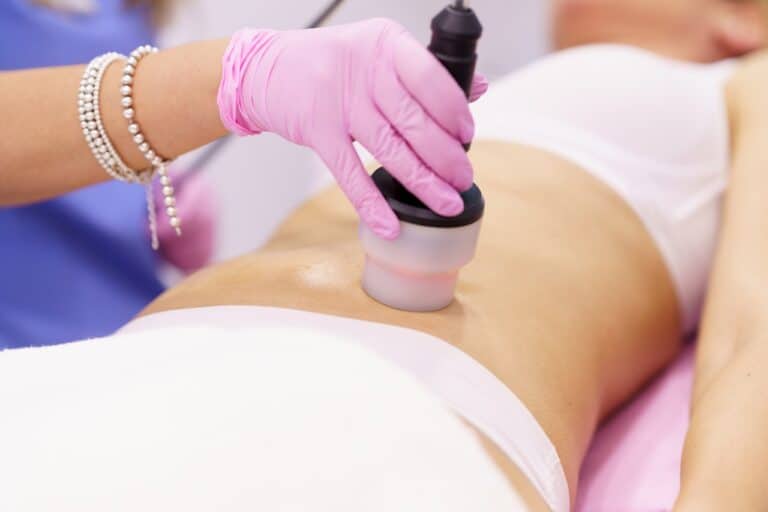
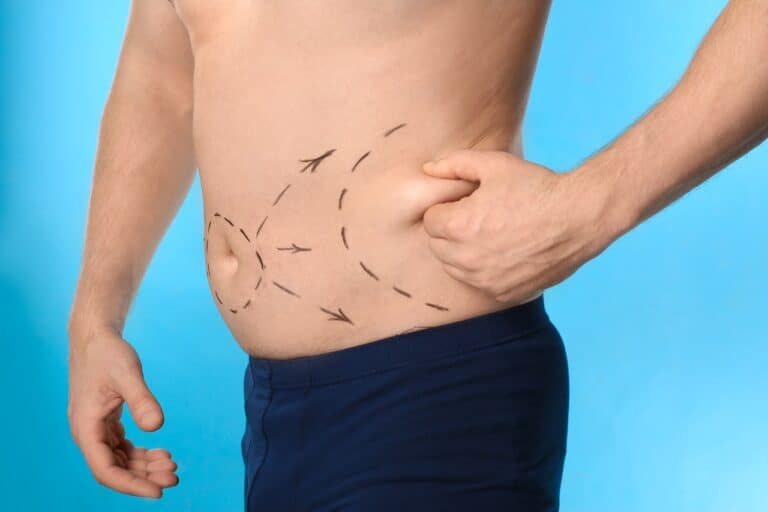
A clear look at how liposuction works sets the foundation for learning about possible risks, including nerve damage. Liposuction is a surgical procedure that removes excess fat from targeted areas using a thin tube called a cannula. Our surgeon creates a small incision and uses the cannula to break up and suction the fat away.
Most procedures use tumescent fluid, which is a mixture of saline, lidocaine, and epinephrine injected into the fatty tissue. This fluid numbs the area, reduces bleeding, and makes fat easier to remove. Some techniques also use ultrasound, laser, or vibration to help loosen fat cells.
Our surgical team chooses the right method based on your needs, the treatment area, and your health background. Each method offers different risks, which is why it is crucial to discuss options during your consultation.
What Is Nerve Damage?
Nerves are delicate fibers that carry signals between your body and brain. Most nerves run just underneath the skin, around fatty tissue and beneath the muscles. When a surgical tool or swelling compresses or injures these fibers, this is known as nerve damage.
Nerve damage can range from mild, temporary symptoms to more serious, lasting problems. Typical nerve injuries in cosmetic surgery include neurapraxia, which is a stretched or compressed nerve that usually heals on its own, or axonotmesis, where the nerve is more severely hurt, but the outer layer stays intact.
Though this type of injury is rare in liposuction, recognizing the symptoms and knowing what causes it can help both patients and our surgical team act quickly if needed.
Causes of Nerve Damage During Liposuction
Several factors can contribute to nerve injuries during liposuction. The following list highlights the most important causes that patients often hear about at the New York Liposuction Center:
- Inadvertent Trauma: Direct contact between the cannula and nerves can occur during fat removal, which might compress, stretch, or cut nerve fibers.
- Aggressive Technique: Removing too much fat or making repeated passes with the cannula in one area increases the risk that nerves may be impacted.
- Use of Heat or Energy Devices: Methods such as ultrasound or laser liposuction generate heat. High temperatures can cause extra tissue injury, and rarely, burn or damage nerves beneath the skin.
- Surgical Experience: The skill and experience of your surgeon greatly influence outcomes. An experienced surgeon better understands anatomy and safety margins in fat removal.
- Treatment Area: Certain body parts, like the thighs, arms, and lower abdomen, house nerve bundles closer to the surface. These regions carry a higher risk during surgery.
Recognizing these factors helps our practice further lower risks during surgery. Our surgeons use careful planning and advanced imaging when possible to map out risk zones before any surgical step begins.
Types of Nerves Affected in Liposuction
Peripheral nerves run throughout the body and control touch, pain, muscle movement, and temperature. In liposuction, the nerves most likely to be affected are the small sensory nerves close to the fat layer just under the skin.
In some areas, motor nerves, which control muscle movement, may also be at risk. However, these nerves usually sit deeper under the muscle, making injury during liposuction less common. Our surgeon pays special attention to nerve pathways when treating areas close to nerve-rich regions like the inner thigh or lower abdomen.
Symptoms of Nerve Damage After Liposuction
Patients who experience nerve changes after liposuction may notice several symptoms. Some symptoms last only a few days, while others can linger for weeks. Here are the most common signs to watch for after your procedure:
- Numbness: This is the most reported symptom. Some numbness in the treated area is common and usually goes away with time.
- Tingling or “Pins and Needles” Sensation: Many describe this as a buzzing feeling under the skin. While usually temporary, it can signal irritated or healing nerves.
- Burning or Sharp Pain: Persistent burning or electrical-like pain may suggest nerve inflammation or more significant injury.
- Weakness or Muscle Changes: Weakness is less typical but can happen if both sensory and motor nerves are impacted, especially in large-scale procedures.
- Sensitivity to Touch: Heightened pain or discomfort when the area is touched may show sensory nerve involvement.
Our team asks about each of these symptoms during post-operative visits. Quick reporting of changes helps us act early, which often leads to quicker healing.
How Common Is Nerve Damage After Liposuction?
Most liposuction patients do not experience lasting nerve damage. Mild numbness is relatively common after the procedure, but this almost always fades during normal healing. Longer-term or permanent nerve injuries occur in a small percentage of cases.
Large studies suggest that the risk of significant or irreversible nerve injury after liposuction is below 1 percent. The likelihood depends in part on the skill of the surgeon, the treatment area, and the method used, and undergoing multiple liposuction treatments over time.
At our New York office, our team takes extra care with risk factors. Our surgeons only use the most up-to-date techniques and provide close follow-up care to recognize any issues at the earliest possible stage.
Risk Factors That Influence Nerve Injury
Both patients and our surgical team gain the ability to lower nerve damage risks when the specific risk factors are well mapped out. Each person brings a unique situation based on their health and goals.
Patient-Related Risk Factors
Certain patient characteristics may raise the risk of nerve complications. Conditions such as diabetes, prior nerve injury, or disorders that affect nerve health can increase nerves’ sensitivity to trauma. Age may also play a role, as nerves may heal more slowly in older patients.
Surgical Technique and Experience
Our surgical team tailors the liposuction method to each patient. Some patients may benefit from tumescent liposuction, which uses local anesthesia and smaller cannulas to reduce tissue trauma. Beyond the immediate aesthetic improvements, patients often ask about liposuction health benefits, such as mobility improvements or metabolic shifts, though the amount of fat safely removed always depends on the specific treatment area and your overall wellness.
Skilled, careful work during surgery ensures both safety and optimal contouring results.
Prevention: How Our Surgeons Minimize Nerve Risks
At every step, our surgeon focuses on keeping nerves safe. Preventing nerve issues is always easier than treating them after they happen. Here is how our practice approaches prevention:
- Detailed Planning: Before surgery, we review medical history, past injuries, and treatment zones to map out nerve locations and avoid high-risk regions whenever possible.
- Modern Cannula Design: Our surgeons use fine, narrow cannulas. Smaller tools move through fat with less disruption, which helps require fewer passes through tissue.
- Tumescent Fluid Use: The use of tumescent solution not only helps numb tissue but also separates nerves from the fat that will be removed.
- Gentle Technique: Our doctor limits the number of passes and avoids aggressive fat removal in sensitive areas, which reduces mechanical trauma.
- Energy Device Caution: For laser or ultrasound techniques, we monitor the device temperature so we can prevent heat injury to nerves and other tissue.
- Thorough Post-Op Care: Frequent follow-ups catch early symptoms so our doctors can provide immediate treatment if something is wrong.
Following these steps has helped many patients at the New York Liposuction Center safely achieve their goals while lowering the risk of nerve troubles.
Diagnosing and Managing Nerve Problems After Surgery
Prompt diagnosis and care for nerve symptoms make a huge difference in overall recovery. If you develop symptoms such as numbness, tingling, or unusual pain after your procedure, you should let your care team know right away.
Steps Our Team Takes to Diagnose and Treat
Our doctors may check for nerve issues by performing a hands-on exam, reviewing your history, and asking about any changes in sensation. If needed, additional tests such as nerve conduction studies or imaging may be ordered.
Most nerve injuries after liposuction are mild and improve over weeks or months. If symptoms are more severe or do not improve, we may recommend medication, physical therapy, or, very rarely, surgical intervention to help restore nerve function.
Open communication and following post-op guidelines are your best tools. At our practice, support does not end after surgery. We remain available for every phase of healing.

Recovery After Liposuction: What to Expect
Healing from liposuction is a gradual process. Mild numbness or tingling is common right after surgery and usually lasts from several days to a few weeks. The vast majority of patients regain normal sensation during the first months.
Tips to Support Nerve Recovery During Liposuction Healing
Patients can further aid their healing by following simple guidelines after surgery. These approaches help support nerve recovery and lower the risk of prolonged problems.
- Follow All Post-Op Instructions: Our surgical team gives you a detailed recovery plan. Stick to activity limitations and medication schedules to promote healing.
- Communicate Changes: Tell the team about any increase in numbness, tingling, or pain so we can address issues early.
- Avoid Squeezing or Pressure: Do not wear tight clothing or belts that may compress treated areas and nerves as they heal.
- Go to All Scheduled Visits: Attending follow-ups allows our doctors to monitor your progress and adjust care if necessary.
- Give Your Body Time: Most nerve symptoms improve with rest and patience. Avoid returning to intense exercise too soon.
Recovery is a partnership between you and your care team. Our practice remains committed to supporting you until you have achieved the safest, healthiest result.
When to Seek Immediate Medical Care
Mild numbness or tingling should not cause alarm after surgery, as these symptoms are common and usually temporary. However, some warning signs require immediate medical attention:
- Sudden or Worsening Weakness: Any sudden loss of strength could indicate a significant nerve or muscle problem.
- Persistent Severe Pain: Ongoing, severe pain not managed by routine medications may be a sign of nerve inflammation or other complications.
- Rapid Changes in Skin Color or Temperature: Coolness, deep redness, or loss of pulse in the treated area needs prompt attention.
- Loss of Bladder or Bowel Control: These symptoms are rare but can signal serious nerve involvement and demand urgent evaluation.
If you notice any of these problems, contact the New York Liposuction Center or go to an emergency room right away. Timely care gives you the best chance for a full recovery.
How to Choose the Right Surgeon to Minimize Nerve Risks
Selecting a highly skilled, experienced surgeon plays a vital role in lowering nerve injury risk. The following points highlight what to look for as you research your options:
- Board Certification and Training: Board-certified plastic surgeons have advanced knowledge of anatomy, technique, and nerve safety.
- Liposuction Experience: Choose a surgical team with years of direct experience in various liposuction methods and body areas.
- Excellent Communication: The right surgeon listens, answers your questions, and explains all possible risks and benefits in detail.
- Thorough Consultation Process: Your consultation should include a full health review, discussion of goals, and explanation of how nerve protection will be managed.
- Strong Reviews and Results: Good outcomes and patient reviews can help show you the surgeon’s track record in avoiding complications.
Meeting with the team at our New York practice is an ideal chance to discuss your priorities and how we customize care to each individual patient.
What To Ask About Nerve Safety Before Liposuction
Before deciding on surgery, we encourage all patients to ask direct questions about nerve safety. Here are some helpful topics you might raise during your consultation:
- Which technique will you use in my procedure to minimize nerve risks?
- How much experience do you have with liposuction in the treatment area I am considering?
- What steps will you take if I develop symptoms like numbness or pain after surgery?
- What is your practice’s rate of nerve complications, and how have you managed them in the past?
- Can you show before-and-after photos of patients who have had similar concerns or body areas treated?
Bringing these questions up will ensure you and our surgeon work as a team throughout your care. Feeling informed and confident makes surgery and recovery less stressful.
Nerve Damage and Long-Term Outlook After Liposuction
Most patients who develop nerve symptoms after liposuction recover without permanent problems. Temporary numbness, tingling, or pain gradually improves with time. True permanent nerve injury is rare when surgery is done with care.
If a nerve injury is severe or does not improve after several months, additional treatment or physical therapy may be needed. Early diagnosis and intervention raise the odds of a positive outcome. At every stage, our team stays involved to help patients return to confident daily activities.
Getting Peace of Mind About Liposuction and Nerve Health
Nerve injury is not common after liposuction, but awareness is important for patients seeking safe, effective results. Most people who develop mild sensory changes will notice improvement within weeks or months, as nerves have an ability to heal after bruising or minor trauma. Following your recovery plan and staying in touch with our surgical team makes a big difference in outcome quality.
Should you have concerns about your risk or ongoing nerve-related symptoms, our doctors at the New York Liposuction Center can give you a careful, honest assessment and formulate a plan that matches your health, goals, and lifestyle.
Speak to Us About Liposuction Safety and Recovery in New York
Knowing the facts about nerve risks lets you make informed, confident decisions about body contouring surgery. At our New York Liposuction Center, patient safety and satisfaction are always the highest priorities, both before and after surgery.
If you want further details about the risks of liposuction or wish to discuss your candidacy with an experienced surgeon, we encourage you to reach out to our team today. Schedule a consultation and get the answers you need, so you can move ahead with confidence and peace of mind.